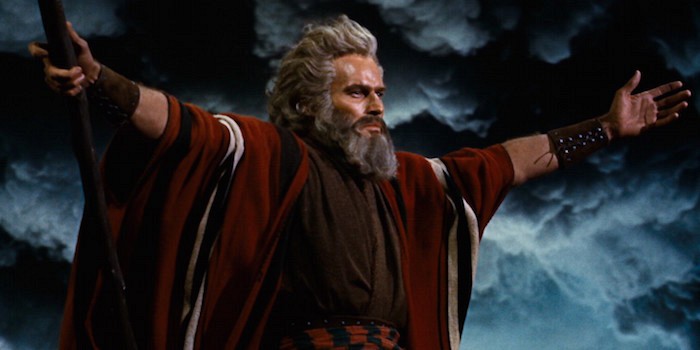
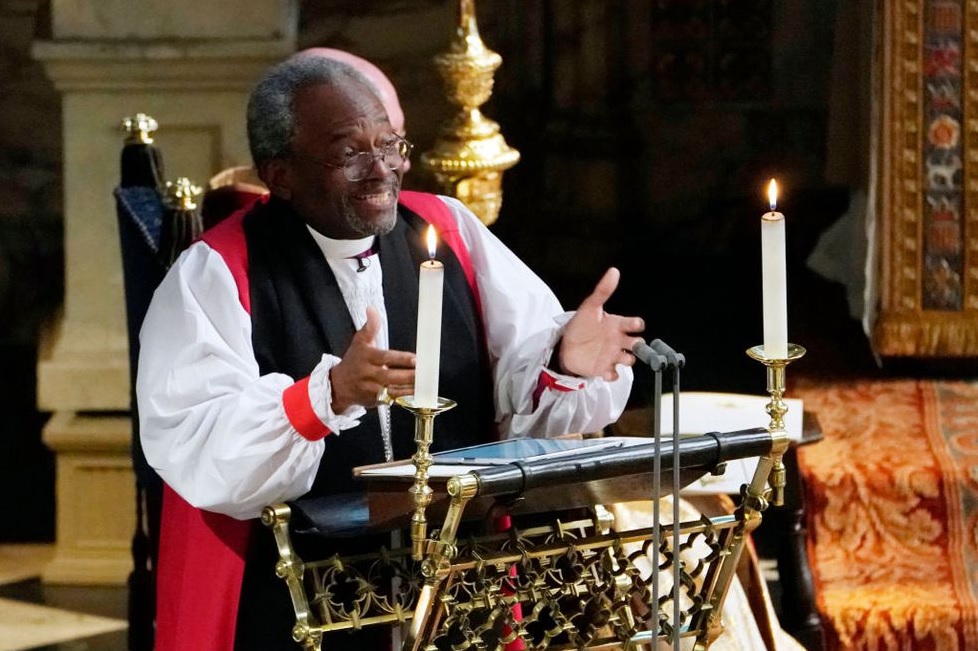
God shows up where we don’t expect him. For good reason.
Open Exodus 3:1-10.
A fire in the wild can consume hundreds of acres in just a few hours. No experienced bushman ignores a fire. Moses was no exception.
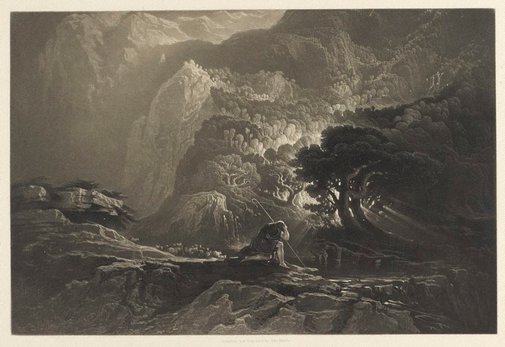
Moses was out in the wild to escape Pharaoh. If he ever had aspirations of ruling people, he’d given them up, taking a job shepherding animals. He led his flock to the edge of the wilderness. He feels safer in land that supports life sparsely, where human rulers have little interest.
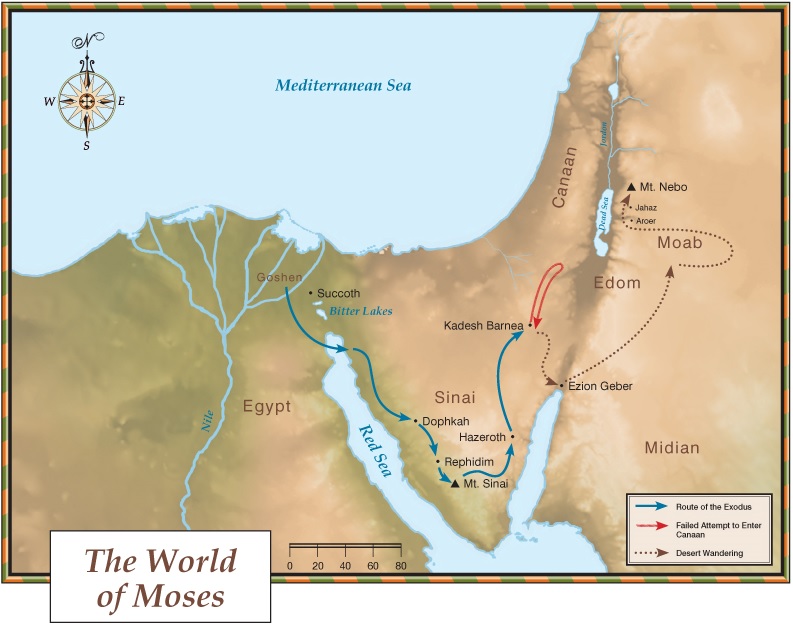
Far from the cities of human administration, in a part of creation no one cares about, Moses discovers something astounding: God’s mountain (3:1). The king of creation is in residence here. Several times throughout the Bible’s narrative, God’s servants return to this mountain that lies south of the Promised Land. Each time we learn more about the Sovereign, his law, how he rescues his people, and how he rules the earth.
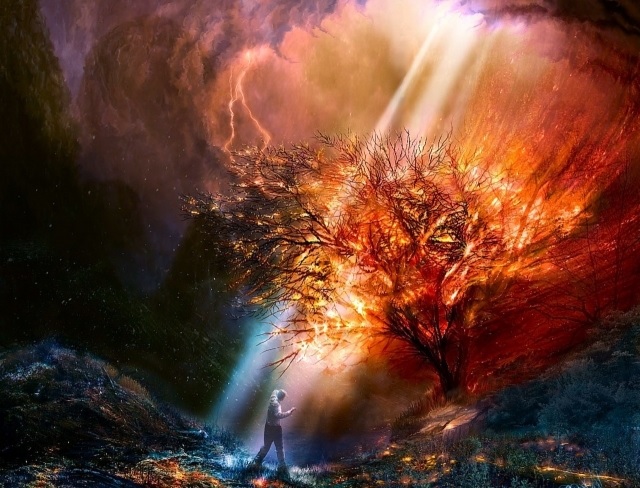
The fire Moses sees on God’s mountain is unlike any he’s ever seen. Fire consumes combustible materials, releasing energy as heat. A flame that does not consume is a different kind of flame: its energy comes from another place, a realm that does not destroy this one.
So Moses turns aside to investigate. The flame in the bush is an angel:
Continue reading “A royal encounter (Exodus 3:1-10)”