Open Romans 13:1-7.
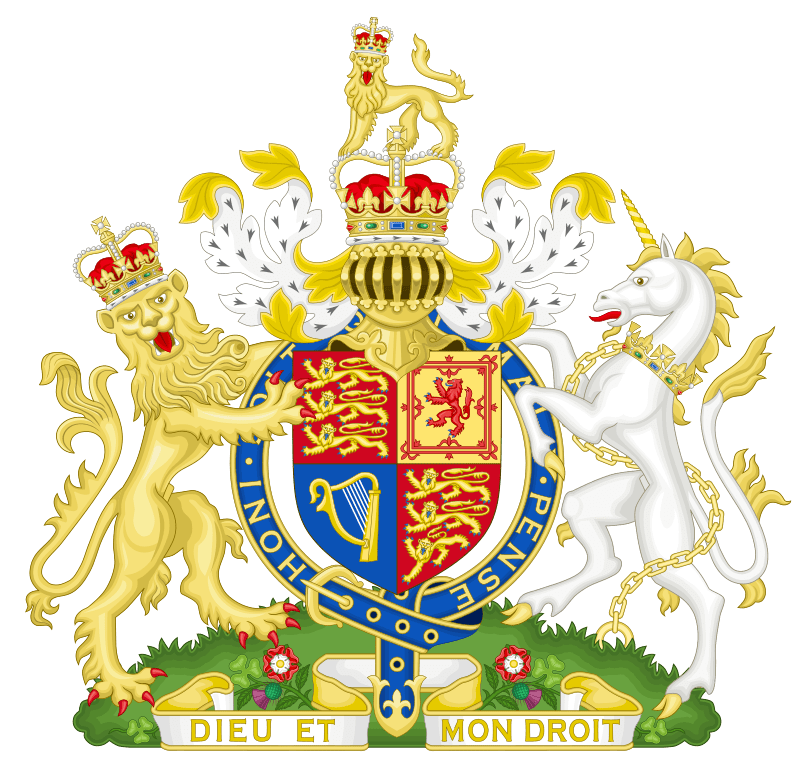
Does Romans 13 decree the divine right of kings? It has been used that way for centuries. Even today, the royal coat of arms of the UK rests on such a claim: Dieu et mon droit, literally God and my right!
Does Romans 13 authorize war? Many interpreters have claimed that it does, so we’ll address this question in our next post.
Good exegesis starts with Paul’s context, not ours. The power claims in Romans 13 do not originate with Paul. He knew that Roman emperors laid claim to divine right to rule. This tradition dates way back to previous pagan empires, and is found all over the world.
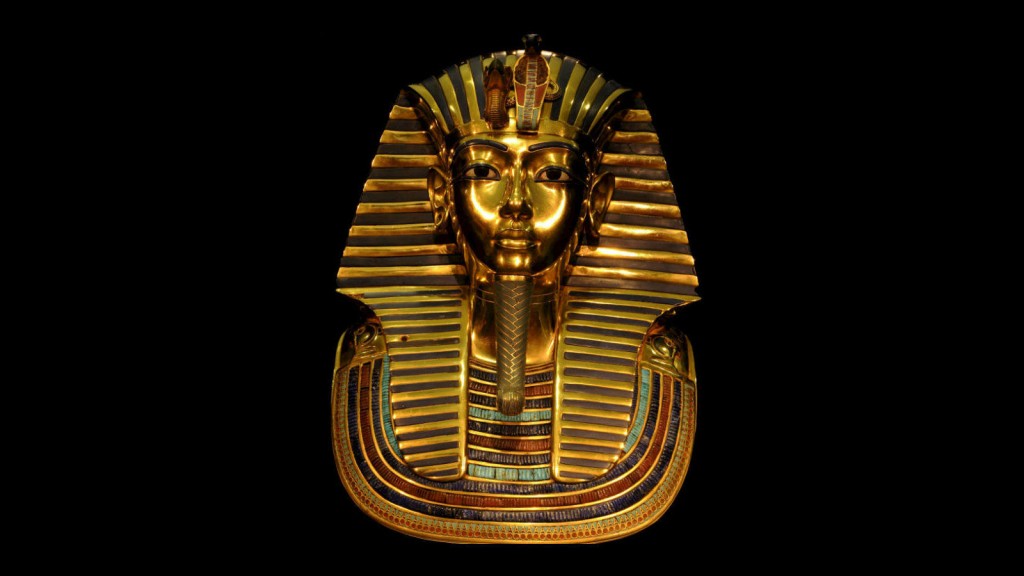
But Paul was a Jew, writing from a Hebrew worldview. In that framework, Paul’s words in Romans 13 are not strange at all. In Romans 9:17, he quotes the Hebrew claim that God raised up even the Pharaoh of the exodus for his purposes.
In fact, a case can be made that Romans is a new Exodus story — a story of God liberating the earth from its oppressive rulers: Continue reading “Does God authorize governments? (Romans 13:1-7)”