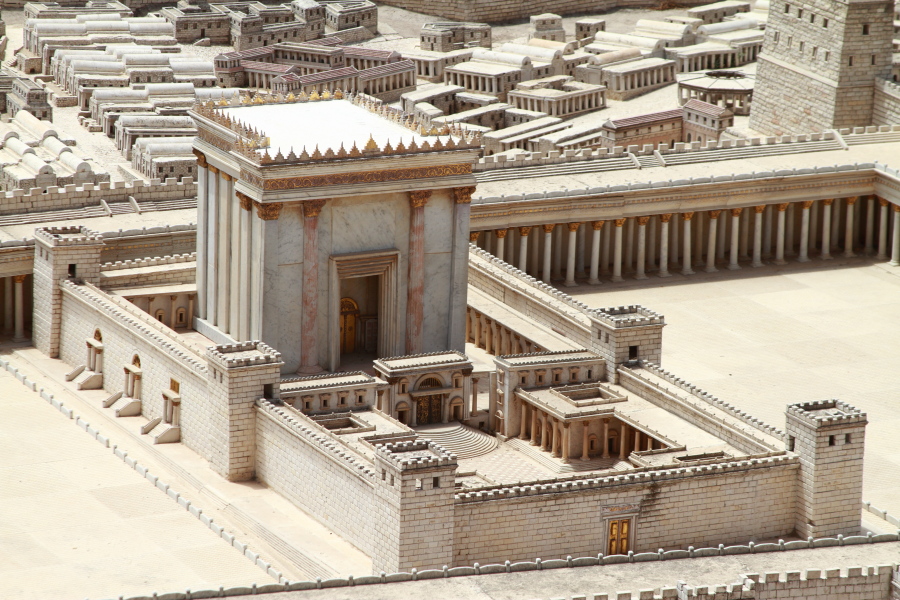
Greater than the temple? (Matthew 12:6)

“Something greater than the temple is here?” How could a Jewish person say that?

Open Matthew 12:6.

Imagine for a moment you’ve always had a fascination with Windsor Castle, its architecture and 39 generations of monarchs stretching all the way back to William the Conqueror. One day, all your dreams come true: you’re invited to a royal banquet at Windsor Castle.

You arrive, and you’re ushered in for the first time. You pause to breathe its air and smell the history. You wonder what stories these stones could tell. You’re so engrossed that you don’t realize when Queen Elizabeth enters to speak with her guests. A voice brings you back to the present, “Something greater than the Castle is here.” How would you feel if that voice was not one of her aides, but the monarch herself?

Jesus meant to embarrass his opponents with some of this audacious royal claims, but this one takes the cake:

Matthew 12 6 I tell you, something greater than the temple is here.

What did he mean? What in all Judea could be greater than the temple? Continue reading “Greater than the temple? (Matthew 12:6)”

The king who gives rest (Matthew 12:1-4)

Recognizing Jesus’ kingship is the only way to find rest.

Don’t let the chapter division stop you seeing how Matthew put his Gospel account together. The keyword at the end of Matthew 11 is rest. In contrast to this world’s rulers, Jesus gives his people rest (11:28). The only place this world will find rest is under the yoke of the gentle and humble king (11:29).

But the Galilean rulers wouldn’t let it rest. Even on the Sabbath, they were digging dirt on Jesus’ followers. They saw his hungry disciples pulling heads of grain and nibbling on the seeds as they walked through the fields (12:1-2). Continue reading “The king who gives rest (Matthew 12:1-4)”

Jesus’ liberating kingship (Matthew 11:25-29)

Don’t let your bad experiences stop you trusting Jesus. He’s a different kind of king.

Open Matthew 11:25-29. and Lamentations 5.

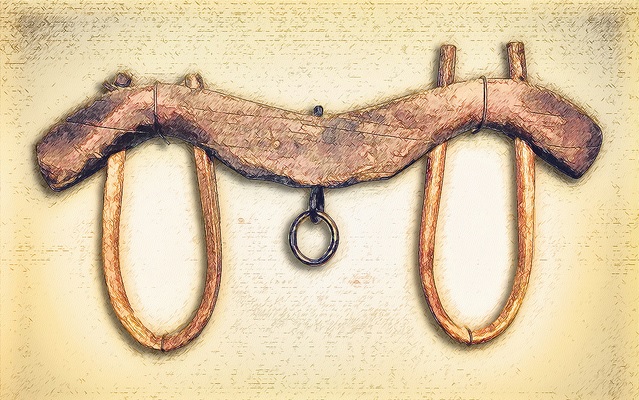
Our previous post explained how Jesus was asking the towns of Galilee to accept his kingship when he invited them to put on his yoke. This world’s rulers are often domineering and demanding. They wear their people out and weigh them down, giving them no rest. By contrast, Jesus reigns to benefit his people. He is gentle and humble at heart. He gives his people rest, as the Creator intended from the beginning. Continue reading “Jesus’ liberating kingship (Matthew 11:25-29)”

Invitation to rest (Matthew 11:25-29)

After what we’ve been putting up with, Jesus’ yoke is truly light.

Open Matthew 11:25-29.

Tired? Worn out? Jesus said, Come to me, all who labour and are heavy laden, and I will give you rest (Matthew 11:28).

Stop for a moment right now. Just breathe. Refreshing? Now, before you rush back to the frenetic pace, do you have time to explore with me what Jesus meant? He went on to say, “Take my yoke upon you, and learn from me, for I am gentle and lowly in heart, and you will find rest for your souls. For my yoke is easy, and my burden light” (11:29-30).

What did he have in mind? His yoke? His burden? It’s even more liberating that you imagine.

Continue reading “Invitation to rest (Matthew 11:25-29)”

Why woe? (Matthew 11:20-24)

Why did Jesus announce woes on towns like Capernaum?

Open Matthew 11:20-24.

Many of us skip over the bits where Jesus announces woes. We prefer the blessings. But please don’t play ostrich here. It’s important. The bits we don’t understand are friends that can open our eyes to fresh ways of seeing. Continue reading “Why woe? (Matthew 11:20-24)”

Coping with social pressure (Matthew 11:16-19)

How do you handle the pressure people place on you to conform to their expectations? What did Jesus do?

Open Matthew 11:16-19.

You know that deep desire to be accepted, to belong, to really matter to significant people? It’s a good thing: it can keep you from heading down a destructive path towards isolation. But it can also limit you, squeezing you into a mould that prevents you from developing your strengths or hanging around with those who are on the outer.

Do you think Jesus experienced that kind of social pressure? Listen to his frustration: Continue reading “Coping with social pressure (Matthew 11:16-19)”

Advancing forcefully or suffering violence? (Matthew 11:12)

Does Matthew 11:12 say God’s kingdom is forcefully advancing, or that it’s subjected to violence?

Open Matthew 11:12.

Matthew 11:12 is a puzzle for translators. The NIV from 1984 reads like this:

  • From the days of John the Baptist until now, the kingdom of heaven has been forcefully advancing, and forceful men lay hold of it.

But the same verse from the 2011 NIV reads:

  • From the days of John the Baptist until now, the kingdom of heaven has been subjected to violence, and violent people have been raiding it.

So which one is right? “Forcefully advancing” would be a good thing. “Subjected to violence” sounds bad. What did Jesus mean? Continue reading “Advancing forcefully or suffering violence? (Matthew 11:12)”

When the king is dishonoured (Matthew 11:7-11)

How does King Jesus respond when publicly dishonoured?

Open Matthew 11:7-11.

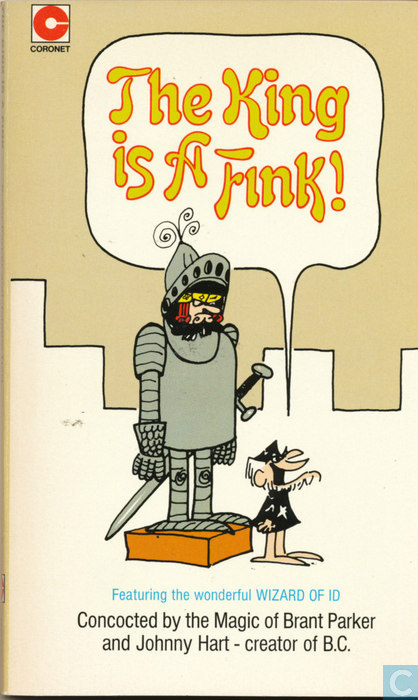
I never knew what a fink was, but the Wizard of Id cartoons were clear enough: call the king a fink and you’re strung up in shackles.

Last year, I visited a kingdom, the Hashemite Kingdom of Jordan. I asked the guide what would happen if someone spoke against one of the Hashemite family. Apparently it would not be a good move if you valued your freedom.

You can understand why Jesus avoided direct criticism of Herod. John the Baptist had proclaimed the arrival of an alternative kingdom. John publicly critiqued Herod’s morals, implying he was unfit to rule God’s people. Predictably, Herod arrested John.

Jesus also preached the restoration of God’s kingdom, but he carefully avoided Herod. When Jesus said anything about Herod, his message was coded. In Matthew 11, he expressed the same cryptic message in three ways, adding the hint that they’d need to listen well to get it: “If you have ears, hear” (11:15):

Continue reading “When the king is dishonoured (Matthew 11:7-11)”

Disillusioned with Jesus? (Matthew 11:1-6)

When God doesn’t do what you expect.

Open Matthew 11:1-6.

Matthew 11:2-3 (my translation)
2 In prison, John heard what the Messiah was doing and sent his followers 3 to ask him, “Are you the one to come, or do we wait for another?”

Last year I was in a Masters-level class on the kingdom of God. Dr Tidball asked us, “So why did John the Baptist doubt if Jesus was the Messiah?” How could the greatest of all prophets — the one privileged to announce the arrival of the Messiah — doubt if Jesus was the Messiah? Continue reading “Disillusioned with Jesus? (Matthew 11:1-6)”

KINGDOM SUMMARY: Matthew 1–10

How central is the kingdom of God to Matthew’s message?

Open Matthew.

The Good News according to Matthew is that Jesus is restoring heaven’s reign on the earth. His opening sentence is bursting with good news, “Jesus the Messiah, the son of David, the son of Abraham” (1:1). He’s arrived: the divinely appointed ruler (Messiah) from Israel’s royal family (son of David) who restores the blessing of divine rule to the nations (the Abrahamic family commission).

What a revolutionary story! By confronting the powers with self-sacrificial love on behalf of earth’s oppressed people, this king brings God’s two realms back together in himself. Via a staggering trajectory, he receives all authority in heaven and on earth, and commissions his agents to bring all nations under his command, promising his regal presence until it’s done (28:18-20).

Every chapter of Matthew’s Good News tells this story. He wants us to recognize Jesus as our divinely appointed king, the one who implements heaven’s reign (the kingdom of heaven) on earth.

Continue reading “KINGDOM SUMMARY: Matthew 1–10”

Righteous people? (Matthew 10:40-42)

How can Matthew talk about righteous people? I thought there weren’t any.

Open Matthew 10:40-42.

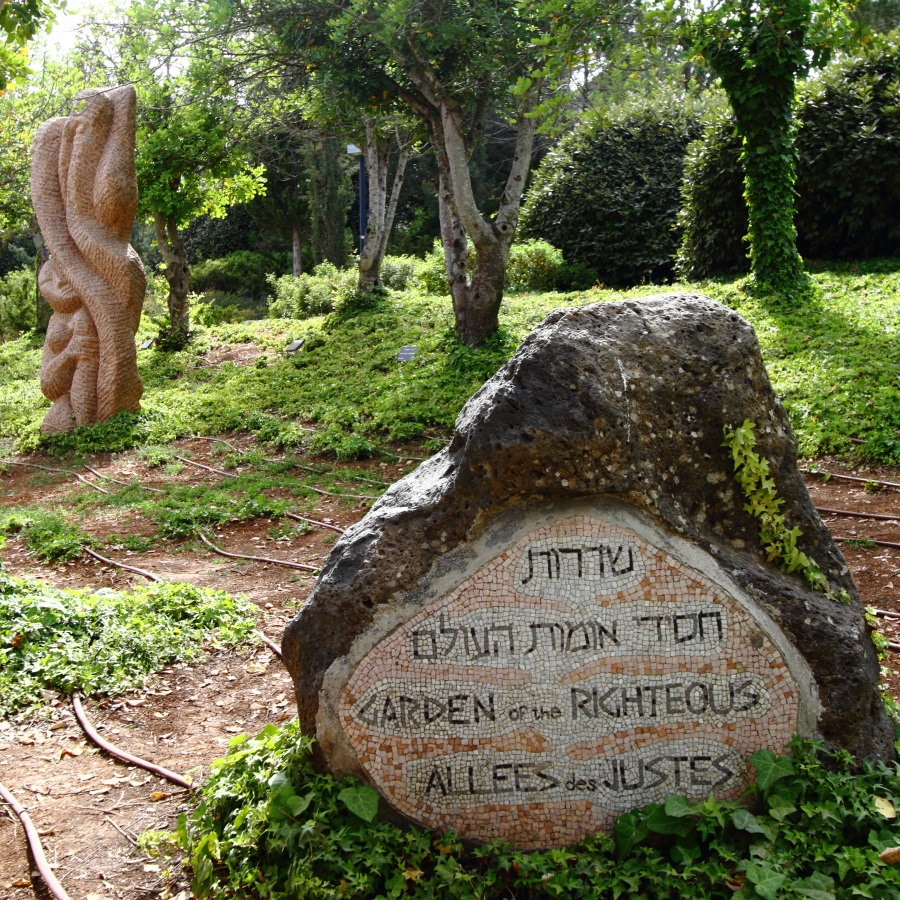
In the grounds of the Holocaust Museum in Jerusalem is the Garden of the Righteous. It honours gentiles who protected Jews under Nazi threat, people like Shindler or Corrie Ten Boom. They’re considered righteous because they did the right thing by the people of God, even though they themselves were not descendants of Jacob. The way you treat God’s people is the way you treat God.

That’s how the word righteous (ṣǎd·dîq in Hebrew) functions in Jewish thought, but Christians tend to be horrified by this word. For the last 500 years, protestants have emphasized texts like Romans 3:10: “No one is righteous, not even one.”

Then we’re thoroughly confused when other texts talk about righteous people. The Gospels label several as righteous (dikaios in Greek):

  • Joseph (Matthew 1:19)
  • Abel (Matthew 23:35)
  • John the Baptist (Mark 6:20)
  • Elizabeth and Zechariah (Luke 1:6)
  • Simeon (Luke 2:25)

Jesus taught that God sends rain on the righteous and unrighteous (Matthew 5:45). He spoke of many righteous people (Matthew 13:17). He even expected Galileans to recognize his disciples as righteous people (Matthew 10:41).

What do you do when one part of the Bible doesn’t match other parts? Continue reading “Righteous people? (Matthew 10:40-42)”

Where’s your allegiance? (Matthew 10:32-33)

What country do you belong to? It depends on who’s your leader.

Open Matthew 10:32-33.

If John Clarke was still with us, he’d be having a field day. How do you bring down a democratic government? Demonstrate that many sitting members weren’t eligible to stand.

Now, politics is a serious business. Our leaders must have unquestionable allegiance to our nation. If war broke out, which side would a dual citizen support?

I mean, you couldn’t trust Barnaby Joyce as deputy prime minister if he’s secretly a Kiwi. If New Zealand invaded us, the haka alone would probably see him siding with the enemy. Well, that’s what the high court ruled anyway: they declared him unfit to be a sitting member, so he has to stand again. Continue reading “Where’s your allegiance? (Matthew 10:32-33)”

The kingdom is God with his creatures (Matthew 10:29-31)

If a little bird falls in the forest, does anybody hear?

Open Matthew 10:29-31.

What was your first pet? A puppy? A kitten? A budgie? Remember its name? What did it mean to you?

How deeply we feel responsibility for a creature in our care! It’s beyond commercial value: even if you paid for it with pocket money, its precious life depends on you. Where does this sense of responsibility come from?

Jesus believed this tenderness is a glimpse of something beyond, an echo of God’s heartbeat for the creatures in his care: Continue reading “The kingdom is God with his creatures (Matthew 10:29-31)”

Where’s God’s justice in an unjust world? (Matthew 10:26-31)

Your heavenly Father knows when even a sparrow falls.

Open Matthew 10:26-31.

We all have filters that shape what we hear. That’s true of how we understand our closest friends. It’s even more significant when we want to understand what Jesus said 2000 years ago in a very different setting.

For example, we in the western church tend to think of souls as immortal. After your body dies, your soul lives on, either in heaven or hell. It would make no sense to us to talk about bodies going to hell. Yet that’s precisely what Jesus did to: he said it’s better to lose an eye than to lose your whole body in hell (Matthew 5:29-30, 22). Something that doesn’t make sense is a hint that we’re not hearing it right, that we need to reframe the way we think. Continue reading “Where’s God’s justice in an unjust world? (Matthew 10:26-31)”

A disarmed kingdom (Matthew 10:34-39)

How can Jesus establish his kingdom with an unarmed army?

Open Matthew 10:34-39.

A military career in the ancient world meant heading off with your regiment in search of fame and glory. Unworthy of the empire was any milksop who couldn’t leave his father and mother. A soldier marched where the army needed him, even if it meant his children grew up without him. Real soldiers didn’t run for cover to save themselves! They grasped their swords and gave their lives for the sake of the empire.

What about the kingdom of God? Do its people face struggles like the kingdoms of the world? Or is it an idyllic life of shalom: no life-threatening situations, no dilemmas of family versus kingdom, no conflicting priorities, no need to run to save your own life? Continue reading “A disarmed kingdom (Matthew 10:34-39)”

Like our teacher (Matthew 10:24-25)

Becoming like our teacher is every disciple’s joy. Does it mean we suffer too?

Open Matthew 10:24-25.

It’s the hope that motivates every disciple: as we follow Jesus we become like him. Wow!

Does being like Jesus mean suffering too? Which statement represents what you believe

  1. Jesus suffered so we don’t have to.
  2. Jesus suffered because we suffer.
  3. Jesus suffered, so we must suffer too.

Perhaps we should listen to Jesus’ promise in context: Continue reading “Like our teacher (Matthew 10:24-25)”

Clash of kingdoms (Matthew 10:17-23)

The kingdom of God doesn’t leave unjust kingdoms in place.

Open Matthew 10:17-23.

For too long, the church has spiritualized Jesus as if he was just a personal saviour and not the king of the kingdom. Our purpose on this blog is to swing the pendulum back by focusing on the sovereign authority of Jesus as Lord, as Messiah, as king of the kingdom. Continue reading “Clash of kingdoms (Matthew 10:17-23)”

Sheep among wolves (Matthew 10:16)

Wise as serpents and innocent as doves? How?

Open Matthew 10:16.

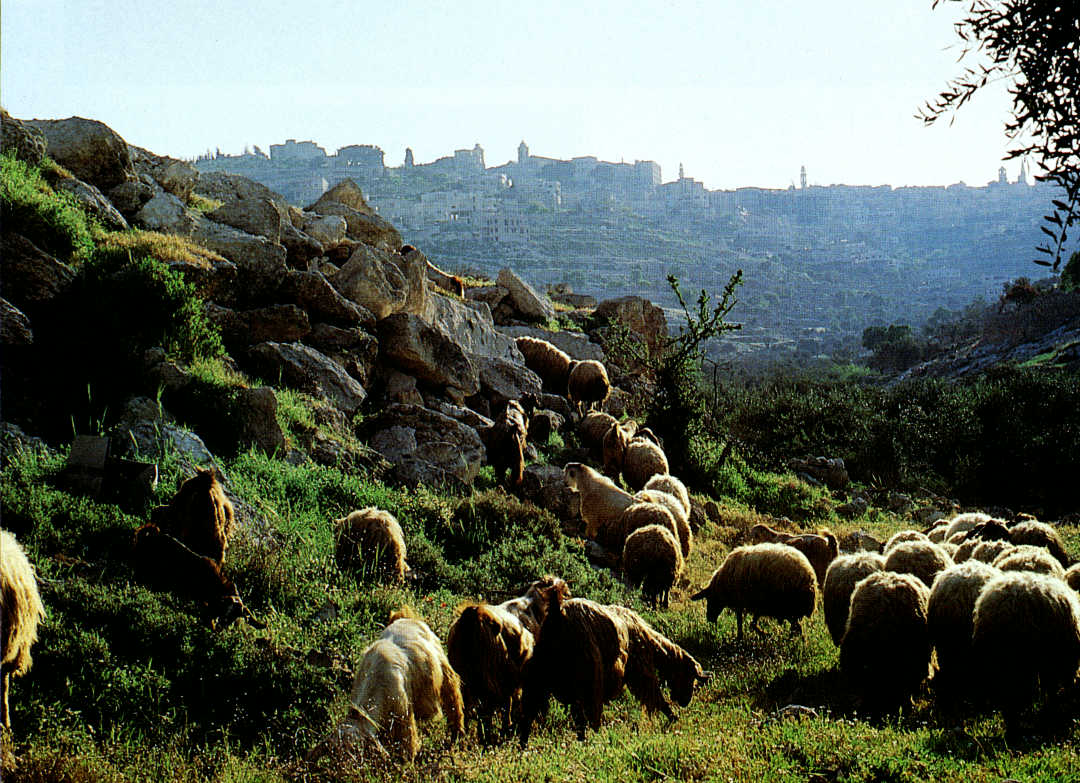
Jesus the shepherd, appointed twelve Jewish males to symbolize the restoration of Israel under his reign. This is dangerous work: others claim to be in control. If history teaches us anything, those in power will do anything to keep it. God’s people are his sheep, but the world is run by wolves: Continue reading “Sheep among wolves (Matthew 10:16)”

A grassroots kingdom (Matthew 10:9-15)

Working with the people who want the best for their community — that’s how Jesus’ kingdom vision works.

Open Matthew 10:9-15.

How did Jesus expect to run a kingdom? They’re expensive! Government in Australia costs us $450 billion dollars a year — $50 for every man, woman, and child, every day.

It’s always been like that. When Israel first asked for a king, Samuel warned them how taxing human rulers would be:

1 Samuel 8:11–17 (ESV)
11 These will be the ways of the king who will reign over you: he will take your sons …  13 He will take your daughters … 14 He will take15 He will take16 He will take17 He will take … and you shall be his slaves.

David’s son Solomon charged taxes and required his citizens to work to build the temple in Jerusalem. He built stables and garrisons and public works, and a harem and wealth for himself. After 7 years of temple construction, he required the work teams to build him a palace — for the next 13 years! So heavy was Solomon’s yoke that it split the kingdom when he died (1 Kings 12:4, 11).

If Jesus was restoring the kingdom, how could he fund it? He’s just appointed his first government officials — twelve kingdom emissaries — but how could he fund them? You’re not going to believe what he did: he sent them out with no money, to fend for themselves!

Put yourself in their shoes: Continue reading “A grassroots kingdom (Matthew 10:9-15)”

How the Shepherd gathers his sheep (Matthew 10:5-8)

Our Shepherd empowers us to care for his people.

Open Matthew 10:5-8.

“Sheep without a shepherd” — it’s a disturbing image for a ruler who cares for his people (9:36). One man cannot round up the scattered sheep (9:37-38), so Jesus commissions twelve undershepherds (10:1-4), sending them to the lost sheep to announce his kingship (10:5-8).

Continue reading “How the Shepherd gathers his sheep (Matthew 10:5-8)”