Joseph: servant of the king (podcast) (Genesis 37–50)

How did the patriarch Joseph contribute to the story of the kingdom of God? This podcast (20 minutes) shows us how to hear the story of Joseph as the story of God.

We’ve now surveyed Genesis in four podcasts. The previous three:

The Scripture Index contains 75 articles on Genesis if you’d like more detail.


Image: Egyptian throne, Tutankhamun exhibition.

Why did Paul never speak of Jacob?

If Jewish people find their identity in Jacob, why do Christians focus on Abraham?

Conversations make you think, especially conversations with people who see things differently to you.

Last year, I was chatting with a Rabbi about Abraham, Isaac, and Jacob. She knew Christians emphasize Abraham, but for Jewish people the emphasis falls on the third person of the patriarchal triad. Jewish identity is children of Israel — literally, descendants of Jacob. The man Jacob was Israel in the first generation.

That’s why the name Jacob regularly referred to the nation of Israel in later generations, especially in poetic passages. The nation is not Abraham, but it is Jacob. Examples:
Psalm 53 … let Jacob rejoice and Israel be glad!
Isaiah 43 1 … he who created you, Jacob, he who formed you, Israel …

In the Psalms and latter prophets (Psalms – Malachi), Abraham’s name appears only 11 times, while Jacob’s name appears 127 times. The nation’s identity was primarily in Jacob, not Abraham.

So, why are Christians more focused on Abraham? Continue reading “Why did Paul never speak of Jacob?”

Jacob and the kingdom of God (podcast) (Genesis 25–36)

This podcast (27 minutes) discusses the significance of Jacob for the kingdom of God.

Jacob was Israel in the first generation. His life story is told in Genesis 25–36 in a way that his descendants could relate to, for the promises he received were being fulfilled through them.


Previous podcasts

Abraham and the obstacles to God’s kingdom (podcast) (Genesis 12–25)

Abraham lived his entire life for the kingdom of God.

This podcast (28 minutes) surveys Genesis 12–25 as the foundational story of the kingdom of God.

God founded his human rescue project in Abraham and Sarah. They left the region of the Babel-builders to establish a nation under God — a representative kingdom of God among the nations. The obstacles they faced are the obstacles that threaten God’s kingdom project. They trusted God, even though restoring God’s kingdom would take many lifetimes.

When I first blogged these thoughts four years ago, it became my most popular post (downloaded more than 10,000 times). Enjoy this podcast version.


Previous podcast: The world is God’s kingdom (Gen. 1–11)

The world is God’s kingdom (podcast) (Genesis 1–11)

If you grew up thinking of the Bible’s opening chapters as a collection of disconnected stories (a creation, a fall, a murder, a flood, a Babel tower), you need to hear this podcast (38 minutes).

The first eleven chapters of Genesis set up the plotline for the Bible’s whole narrative. The intrigue of this story puts a Gresham novel in the shade.


Previous podcasts:

For related posts on Genesis 1-11, see the Scripture Index.

Lament and hope: when life feels patchy

Honest prayer lifts us to the one who can help.

There was a time when people turned to God in disasters. “How can God allow this?” they asked, sometimes in anger. Now technology lets us recognize the wave before it hits, so people place their trust in medicine and governments to save us. Technology is useful, but it isn’t our security.

Let’s encourage each other to look higher: Continue reading “Lament and hope: when life feels patchy”

Why have you forsaken me?

If you’ve known rejection, you’ll appreciate this.

If you’ve felt abandoned, discarded by family and friends, you may understand this:

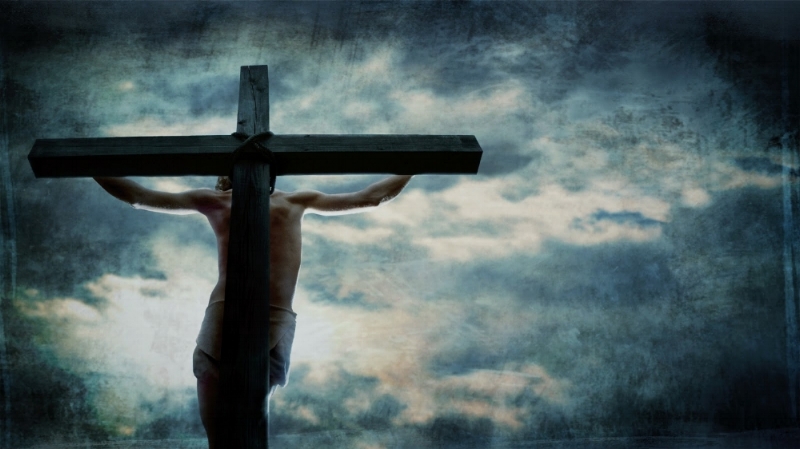
Mark 15 34 At three in the afternoon Jesus cried out in a loud voice, Eloi, Eloi, lema sabachdthani?” (which means “My God, my God, why have you forsaken me?”)

What was Jesus saying? Continue reading “Why have you forsaken me?”

Are the Psalms messianic?

Do the Psalms tell us about Jesus? Are these verses about Christ?

Psalm 22 1 My God, my God, why have you forsaken me? … 16 They have pierced my hands and feet.

Psalms 118 22 The stone the builders rejected has become the cornerstone.

The New Testament writers thought so. So did the church fathers. Were they right? Or were they bending texts to fit their beliefs? What did David intend? Does authorial intent define the meaning? Or is meaning in the ear of the hearer, whatever the reader wants it to mean?

When the church fathers used the Psalms this way, the Jewish leaders were mortified. They pointed out that no one read the Psalms like this until after Jesus died, so the Christians were merely imposing their own meaning on Jewish literature.

Should we be seeing the Messiah in the Psalms? Everywhere? Nowhere? In a few cases? What do you think?

Continue reading “Are the Psalms messianic?”

How to read Psalms

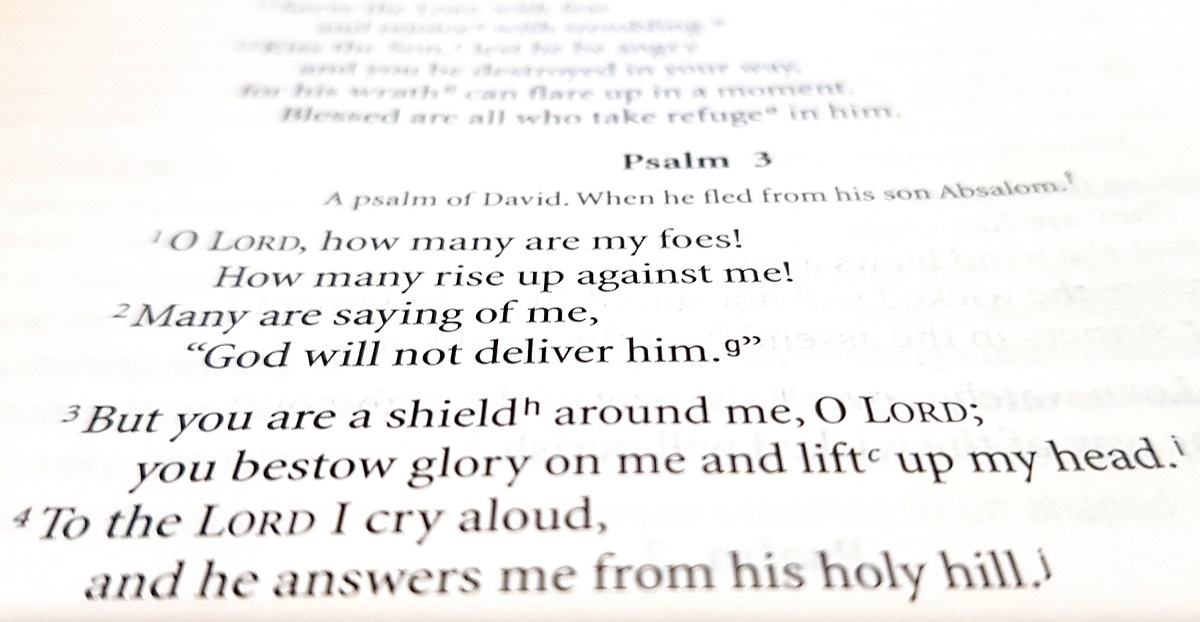
This post is longer than normal. It walks you through how to process the Psalms, with Psalm 3 as the example.

Open Psalm 3.

How do you read Psalms? We love the first one: a fruitful tree by the stream. Psalm 2 is more confronting, but we like to read about God’s anointed Son. Then Psalm 3 is about facing enemies. What do you do with that?

If you don’t have enemies, perhaps you skip it and try to find something more joyful? Or perhaps there is someone who’s making your life difficult, so you read on … until you reach verse 7. Are you really supposed to pray, “God smack them in the face and smash their teeth in?”

If you ever end up in court for punching someone, please don’t offer as your defence, “The Bible told me to.”

There is a better way to read the Psalms. They aren’t about “me and God.” You won’t get far if you approach them with the attitude, “What’s in it for me?” You need to ask, “What has this meant for God’s people before me?”

Whose voice?

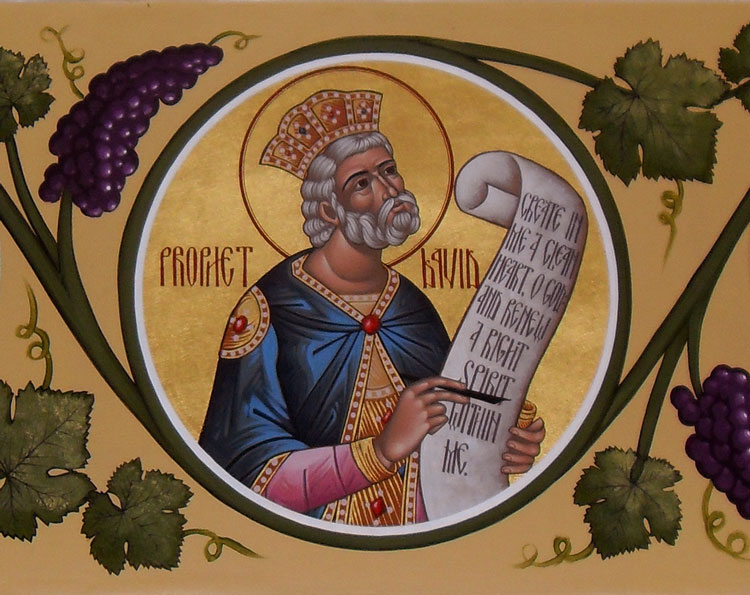
Who is the me in Psalm 3? No, it’s not you, the twenty-first century reader. Who poured out this graphic lament about the enemies arrayed against him? Any ideas?

Continue reading “How to read Psalms”

Jesus in the Psalms?

Should I be seeing Christ when I read the Psalms?

The Psalms are powerful, enduring songs from ancient Israel that still inspire us today. They praise the character of our heavenly sovereign, giving thanks for what he has done. They lament when things aren’t working out as they should under God’s reign. That’s the power of the Psalms: in joy and injustice, they refocus us on the one who rules. The heart of the Psalms is the refrain, The Lord reigns!

When Christians read the Psalms, we’re faced with a puzzle: Should I see Jesus in Israel’s ancient songs? Or should I read them as Israel understood them before Jesus’ time? Are the Psalms intended to be prophetic, about the one who was to come? Continue reading “Jesus in the Psalms?”

The Psalms in 5 minutes

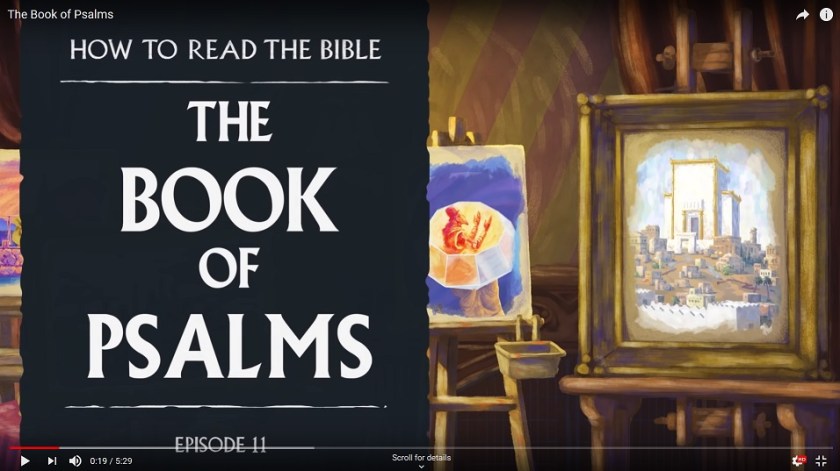
If you ever struggle to grasp the Bible narrative as a whole, do yourself a favour and check out the free animated videos from The Bible Project.

Today they released a doozy on the Book of Psalms. How do you even explain how 150 Psalms fit together, let alone do it in 5 minutes?

Check it out. These masterful guys might even help you to see the Bible as the story of the Kingdom of God.  And don’t miss the details, such as the image of the tree in Psalm 1.

Psalms_TheBibleProject

The king who heals creation (Exodus 15:22-27)

Open Exodus 15:22-27.

The euphoria of coming out from Pharaoh’s oppressive rule didn’t last long. The Hebrews soon discovered they were still in a broken world.

They had not returned to Eden’s Garden where the rivers of God’s presence gushed forth in all directions to water creation (Genesis 2:10-14). No, they were in parched wilderness, without water, for three days (15:22). Continue reading “The king who heals creation (Exodus 15:22-27)”

The significant song (Exodus 15)

Open Exodus 15:1-21.

What makes a great song? Lyrics that voice what you feel? Rhythm that moves you? Layers of rich harmony? Chord progressions that take you places?

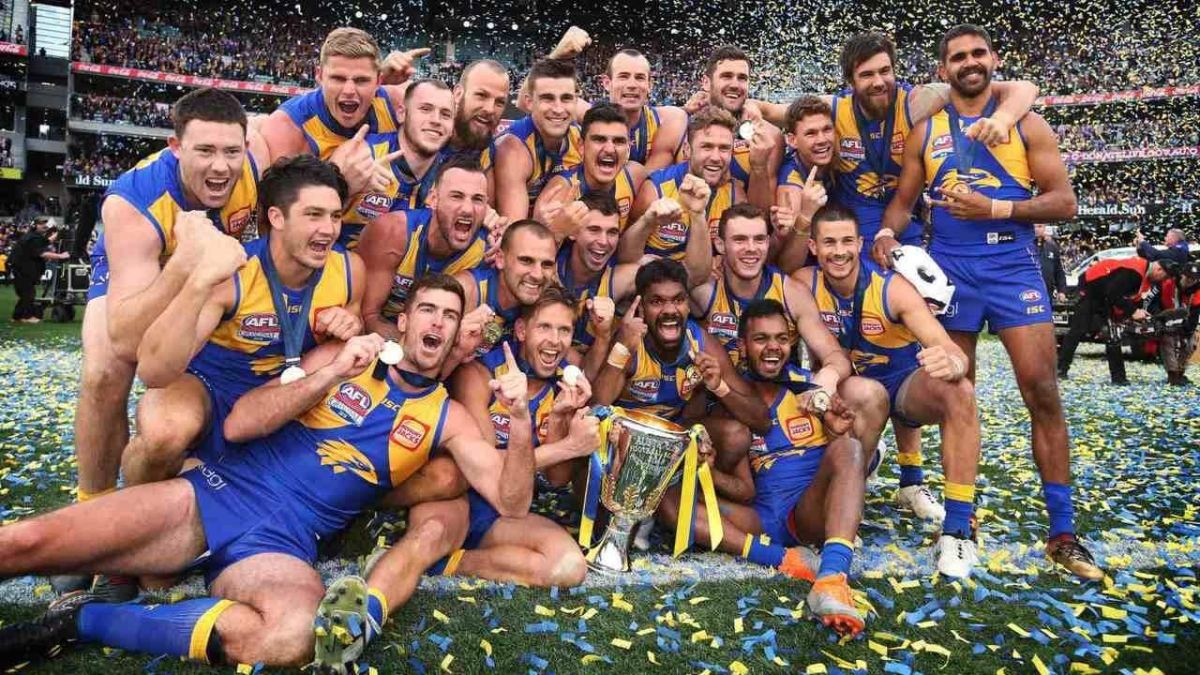
A song rang out over the  MCG at the final siren on 29 September 2018. It was the song every Eagles fan wanted to hear. The right song in the right moment sweeps you up and carries you like a raft on a white-water stream.

The first song in the Bible was that kind of song — the greatest victory song you could imagine. We waited 65 chapters to hear it. There’s only been one mention of a song, a song Jacob turned down. After 20 difficult years, Jacob slipped away quietly, rejecting the party Laban offered with mirth and song pretending everything is okay  (Genesis 31:27). Our world is still full of escapist songs that don’t quite ring true.

Finally we get the true song, the authentic celebration. The song celebrates the moment they were released from serving Pharaoh to serve a new king. With his chariots on the sea floor, Pharaoh had no power to enslave them again. You can’t stop the music: Continue reading “The significant song (Exodus 15)”

When the threat of force sinks under its own weight (Exodus 14:15-31)

Open Exodus 14:15-31.

The Red Sea event proclaimed a definitive message: God made a way where there was no way — literally through the sea (14:21-23).

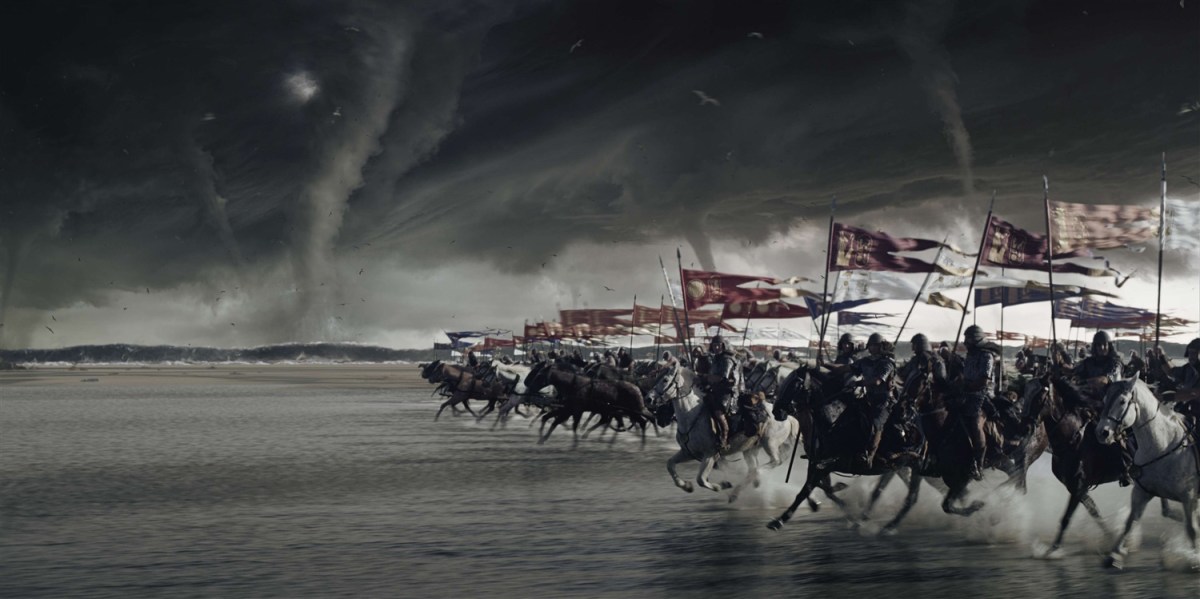
Even there, Egypt’s military power pursued them: “all Pharaoh’s horses and chariots and horsemen” (14:23). In ancient warfare, chariots were the equivalent of tanks: a protective, fast moving vehicle, able to outrun an enemy.

But the pathway God provided did not support chariots. They bogged down in the sandy sea floor. That’s when the Egyptians realized they were up against a foe they could not defeat: “Let’s get away from the Israelites! The Lord is fighting for them against Egypt.” (14:25).

When God’s people had passed through, Moses stretched out his hand again and the way through the sea closed. In this moment, the powerful chariots of Egypt’s mighty army become became junk on the sea floor.

Earth’s true ruler does have a way to release his world from the reign of evil and death. All the treacherous rulers and deadly weapons on earth cannot obstruct the purpose of the true sovereign, and his people.

The Red Sea event addresses the big justice question, “Can love defeat violence?” In YHWH versus Pharaoh, the power of love triumphs over the love of power.

The true ruler doesn’t need the power of an army to enforce his will. Nature itself responds to its true king. Even the sea. Even the uncontrolled places beyond human rule.

Continue reading “When the threat of force sinks under its own weight (Exodus 14:15-31)”

“Stand still and see the salvation of the Lord” (Exodus 14:13-15)

Open Exodus 14:13-15.

A friend was preparing to preach on this text: “Stand still and see the salvation of the Lord!” He planned to say that salvation is the work of God. I can’t earn it. I can’t contribute to it. Regeneration is a work of the Holy Spirit.

Great ideas, but is that what this verse is saying? I cringed, knowing I’d misused this text too. Quietists love it: all we need do is stand still and let God act, “let go and let God.”

But the context won’t allow us to use the verse this way.

Who spoke these words? They’re not a promise from God. They’re from Moses’ mouth. In a difficult situation, Moses contradicted what God told the Israelites to do. That’s why he received this mild rebuke: Continue reading ““Stand still and see the salvation of the Lord” (Exodus 14:13-15)”

When it feels like a dead end (Exodus 14:1-9)

Pharaoh’s pursuing army

Open Exodus 14:1-9.

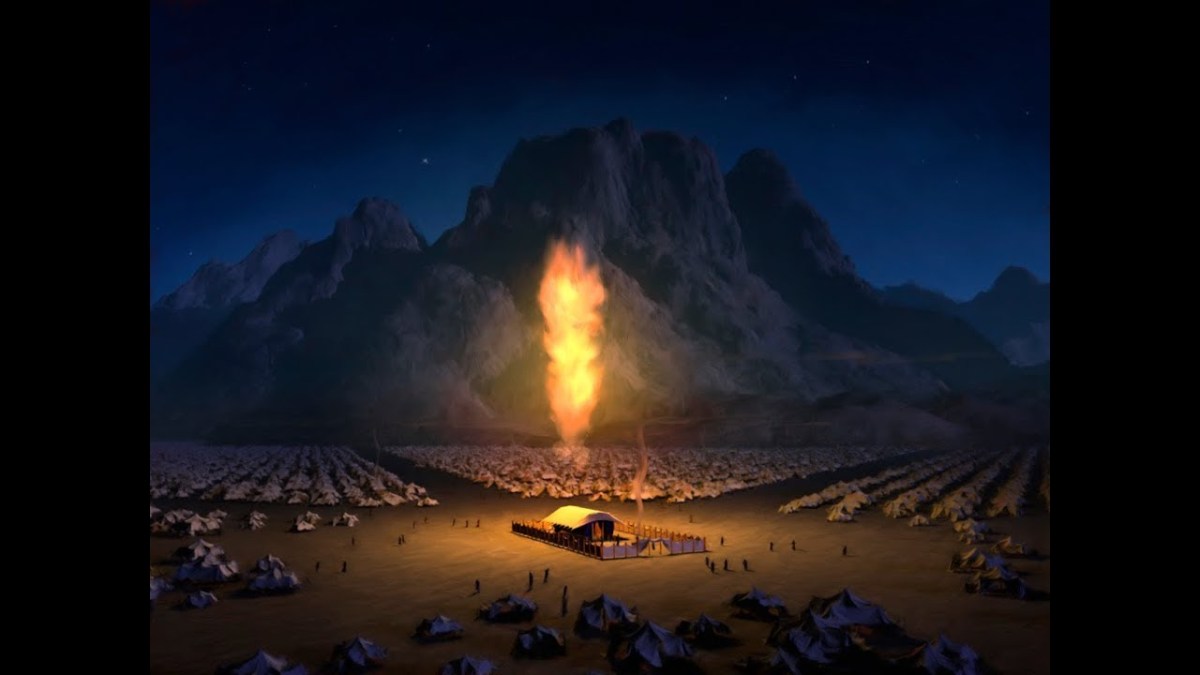
Freedom! The Israelites are no longer Pharaoh’s slaves. They’re marching out of Egypt with a new identity: the people of YHWH! Their king is present in cloud and fire. He leads them south towards the Sinai Peninsula. There they will discover his character, and covenant with him to be his people.

But … there’s a problem. See that dust rising into the northern sky? It’s gaining on them. At chariot speed. The Middle East’s most powerful army is coming to take them captive again. Continue reading “When it feels like a dead end (Exodus 14:1-9)”

The king in the cloud (Exodus 13:17-22)

You can’t see God, but you can see the effect of his presence.

Open Exodus 13:17-22.

National leaders love to be seen out in front of their nation, leading their people. But what if your king is invisible? Released from Pharaoh, Israel has a king who cannot be seen and cannot be represented by any visible carved image. How on earth do you follow a ruler like that? Continue reading “The king in the cloud (Exodus 13:17-22)”

Significance of Passover (Exodus 12–13)

Open Exodus 12–13.

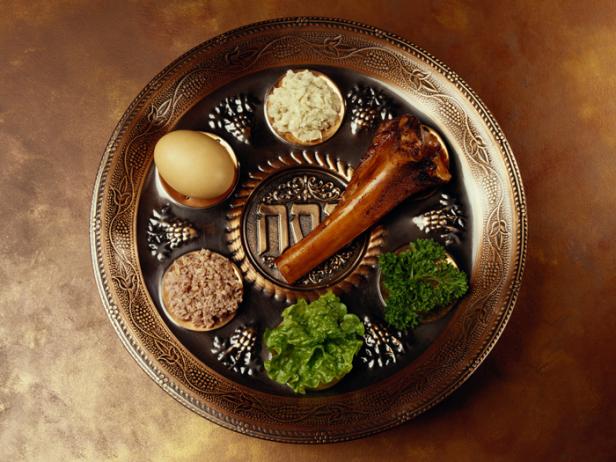
What’s the message of the Passover story? What comes to mind for you? Do you picture a lamb being sacrificed for the people of God to be forgiven their sins?

Would it surprise you to know the Book of Exodus never says anything like that? We can’t understand what Scripture says if we smuggle in assumptions about sacrificial theology that aren’t there.

This matters because Passover is so significant. Even today, it’s still one of the most significant weeks in the Jewish calendar, celebrating the birth of their nation. More than 3,200 years ago, God released them from serving Pharaoh, to be something new and privileged: a nation directly serving the divine sovereign, a kingdom of God.

So what does Exodus say? Continue reading “Significance of Passover (Exodus 12–13)”

When Egypt lost its heirs (Exodus 11–12)

What does the final plague reveal about God?

Open Exodus 11 – 12.

Nine times, Pharaoh has been shown to be just another stubborn human, not the person who rules the world. His own advisors no longer find him credible (10:7). The Egyptians now have more respect for Moses than for Pharaoh (11:3).

That makes Moses’ final announcement even more devastating: every family in Egypt will lose its heir (11:5). The Egyptians will rise up to demand their king release God’s people (11:8).

But how do you feel about God killing thousands of Egyptians? Can we get God off the hook? Could we blame the angel of death instead? Continue reading “When Egypt lost its heirs (Exodus 11–12)”

When everything’s gone and the lights go out (Exodus 10)

Open Exodus 10.

It may be Egypt’s darkest hour. Hail has destroyed the crops. Now a swarm of locusts invade, devouring any remaining stalks. Crops are stripped bare. Trees denuded. Everything is ruined. Despair creeps over the land. There is no reason to get up in the morning.

But morning doesn’t come. Night doesn’t end. Ra doesn’t rise. Egypt is hostage to the dark, cloaked in a shroud. Fear takes over when you can’t see what’s there. It’s palpable: a darkness that can be felt (10:21). Continue reading “When everything’s gone and the lights go out (Exodus 10)”