This podcast (36 min) covers the topics blogged from Genesis 9.
Category: Justice
God reconfigures the world (Genesis 9:1-7)
Genesis 9 is effectively a new creation. As Noah emerges from his little preservation box after a year, he offers gifts in recognition of the Lord’s authority, and God affirms the order of creation (8:22).
So, what’s the same in this new creation, and what’s different? That’s what Genesis 9 is all about.
Continue reading “God reconfigures the world (Genesis 9:1-7)”
Podcast: Genesis 4
This podcast (33 min) covers the topics blogged from Genesis 4:
How God deals with evil (Genesis 4:8-16)
Genesis 4:8 (NIV)
Now Cain said to his brother Abel, “Let’s go out to the field.” While they were in the field, Cain attacked his brother Abel and killed him.
Death is the ultimate destruction of our life. Death entered the world by disconnecting us from our Life-source. Cain sees it as a way to be rid of his rival. When we reject God’s perspective of good and evil to do what’s right in our own eyes, we don’t care what’s good for the other.
So who will make Cain pay for the murder? In these early chapters of Genesis, there’s no human government deciding whether people have done evil. God delegates that authority only after the flood (Genesis 9:4-6). God reigns directly, so God investigates Cain’s crime, just as God investigated the three rebels in the garden (3:9-19).
The faith of Abel (Hebrews 11:4)
A fresh take on Abel’s faith.
There’s no shortage of sermons and podcasts on faith, on how to receive by faith, or how to protect ourselves with the shield of faith. But do you recall any sermons on the faith of Abel?
Who wants to follow in Abel’s footsteps? Whatever faith he had, it didn’t end well for him.
I did find a message where Abel’s faith tops the list. Abel is the prime example in Hebrews 11:
4 By faith Abel brought God a better offering than Cain did. By faith he was commended as righteous, when God spoke well of his offerings. And by faith Abel still speaks, even though he is dead.
Didn’t Cain win that one? Why start a faith message with the loser? What was different about Abel’s faith?
Crusader, or living by faith? (Habakkuk 2:4)
The Crusades were one of the most damaging misrepresentations of God in church history. How can we avoid making the same mistake?
Good interpretation matters, because God’s word is life-giving. When we don’t receive Scripture well, we don’t live well. We make choices that seem right to us without the wisdom of God.
The Crusades are a stark reminder of how we can misrepresent God. In 1095, Pope Urban II called European Christians to take up arms and fight for the Byzantine Emperor to retake Jerusalem, particularly the site of Jesus’ temporary grave (Holy Sepulchre). “God wills it,” cried the conference he addressed.
Continue reading “Crusader, or living by faith? (Habakkuk 2:4)”
How Jesus lived by faith (Habakkuk 2:4)
Jesus’ whole life is testimony to Habakkuk’s message, “The righteous one will live by faith(fulness).”
Jesus never mentioned Habakkuk 2:4, but his life embodied its message: the righteous one will live by faith(fulness). Faced with enemies who wanted to destroy the king of the Jews, Jesus did the right thing because he was trusting his Father to set everything right, to re-establish God’s kingdom.
Justice and the kingdom of God
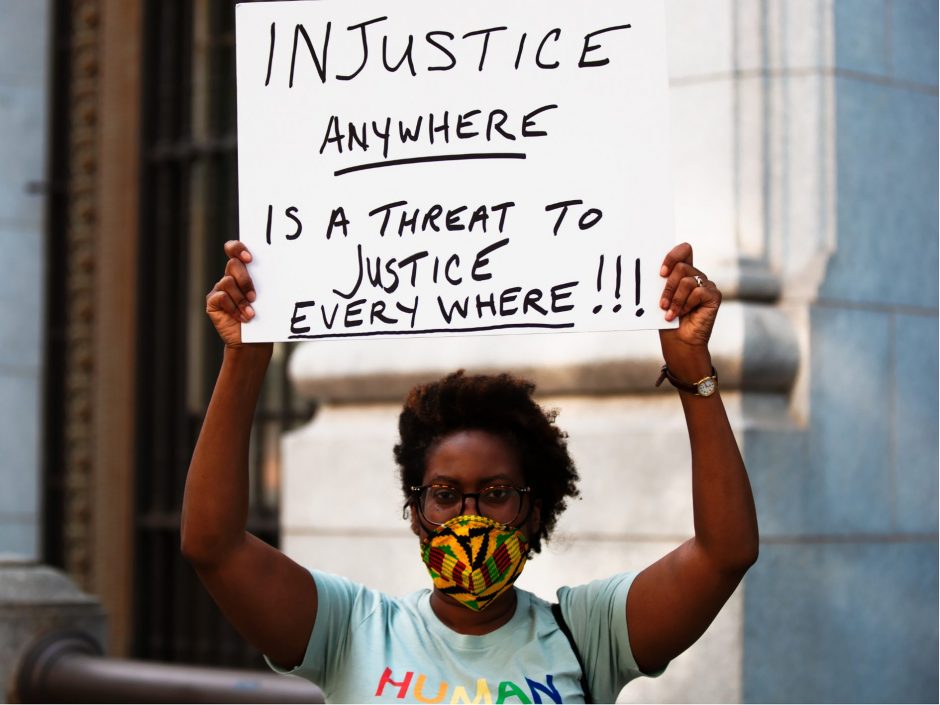
Does the kingdom of God call us to stand against injustice in God’s world?
Injustice opposes what God wants in his earthly realm. Many believers work for justice to promote the kingdom of God. For example, the Social Justice Secretary of the Salvation Army in South Australia says:
The royal law (podcast) (James 2:1-8)
Keep the royal law? Aren’t we under grace? Why would any New Testament book call us to keep the royal law?
The phrase in James 2:8 is literally the law of the king. What king? (Hint: did the writer belong to the royal family?)
What law? Is this something new? Or was it part of the Old Testament law?
James envisages nothing less than the complete restructuring of society. The governance of King Jesus fundamentally changes how humans treat each other, the value we place on each other and how we use the resources God has given us.
In the preceding verses, James spells out exactly what kind of values form the foundation for the kind of community he believed the king had decreed for his kingdom.
This podcast was recorded at the final gathering of Riverview Joondalup, 2022-06-26.
Divine sovereignty and human suffering (Zechariah 14:1-5)
Puzzled over how to understand God’s sovereignty? It’s the hope of a suffering world.
Zechariah’s final chapter extends astounding hope in a puzzling framework.
Continue reading “Divine sovereignty and human suffering (Zechariah 14:1-5)”
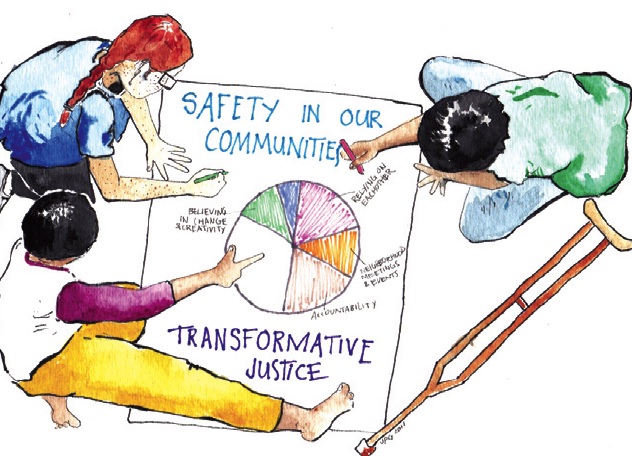
Transformative justice (Romans 12:9-21)
What does it look like to live the gospel? Romans 12:9-21 translated into life.
I’ve been meditating on Romans 12 as the-gospel-in-practice.
Romans 1–11 explains what the good news is. Romans 12–16 explains what it means to inhabit the world transformed by the gospel under the Messiah as Lord.
Here’s a fresh translation of Romans 12:9-21 from that perspective. The verbs are plural (love, detest, collaborate, etc), so the message is not so much about individual piety as it is about participating in the restoration of the world as the kingdom of God in Christ (the goal of the gospel).
Our sufferings at the hands of evil are transformative for the world, as we participate in the redemption that’s taking place in Christ.
That defines our approach to justice and our response to injustice.
So, see what you think. Any suggestions for a better translation? Any important nuances I’m missing? Any further inspiration you find in this passage? (Comment below.)
Is God a good Shepherd if we have bad shepherds? (Zechariah 11)
Why are we living under leaders who fight each other (wars) and crush their people (injustice) if God is on the throne?
Open Zechariah 11.
The Lord will be king over the whole earth (Zechariah 14:9). That’s the theme of Zechariah 10–14, and what an astounding promise! This is the gospel Jesus proclaimed, the good news we believe.
But some find it hard to believe there’s a God taking care of us when there is so much injustice, so much evil in the world. Zechariah 11 faces that issue. God asks the prophet to role-play what our human shepherds do: acting out of self-interest rather for the justice of the eternal Shepherd.
We explained how the shepherd metaphor was used for gods and kings in the Ancient Near East. That makes it the perfect term for addressing the inconsistency between what the Shepherd wants versus what the shepherds are doing. All the wars of history — including the suffering of God’s people at the hands of the nations — it all arises from the disconnect between the Shepherd and the shepherds.
Continue reading “Is God a good Shepherd if we have bad shepherds? (Zechariah 11)”
Fasting and justice (Zechariah 7)
Is our faith expressed with spiritual disciplines like fasting, or with justice in the community? People have different answers. Zechariah’s is revealing.
Read Zechariah 7.
How important is fasting? Is it crucial for refocusing our time and energy from material things to seeking God? Or does God want us focused on goals like seeking justice for those who are missing out? This almost feels like two streams of Christianity: one focused on a personal relationship with God; the other focused on justice for the world.
These were not separate topics for the OT prophets. People asked Zechariah, Should I mourn and fast in the fifth month, as I have done for so many years? (7:3) His response is explosive.
Continue reading “Fasting and justice (Zechariah 7)”
The king who sorts it out (Matthew 25:31-33)
Jesus’ final teaching story in Matthew reveals him as king of all nations, the only leader who can remove what’s wrong with the world and restore God’s reign.
This is the ultimate teaching from Jesus before the final passion narrative in Matthew’s Gospel. Everything Jesus has said about the kingdom of God comes together in this story as the son of man receives the kingship and resolves the justice issues of the world.
This final story contains the most explicit description Jesus ever gave of how he expects humans to live in his kingship. What he expects of his subject is so simple, and his wisdom is so decisive:
Continue reading “The king who sorts it out (Matthew 25:31-33)”Kingdom justice: how it comes (Matthew 18)
Justice is a major topic in kingdom of God studies. Our king wants justice for all the people in his kingdom. But how? How does King Jesus restore justice to his world? How can earth function as a kingdom of heaven?
Continue reading “Kingdom justice: how it comes (Matthew 18)”Don’t fall for repaying evil with evil (Matthew 18:6)
Jesus was never violent. So why would he talk about drowning, amputating limbs, and burning people alive?
Matthew 18:6 (original translation, compare NIV)
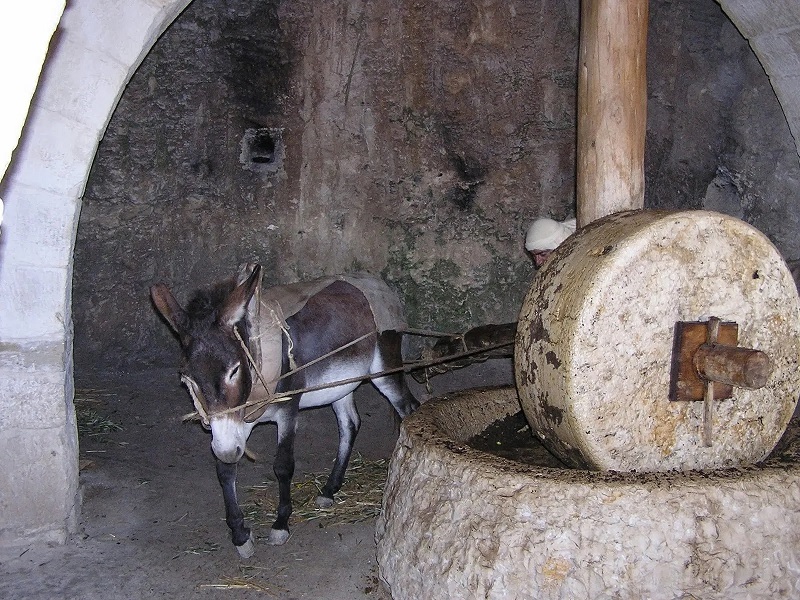
But anyone who trips up one of these little ones — those who place their trust in me — would be better off with a donkey’s millstone around their neck, drowned at the bottom of the sea.
Yes, it’s about justice. But we need to be very clear about what question Jesus is responding to, the nature of the injustice, and how justice is restored.
Continue reading “Don’t fall for repaying evil with evil (Matthew 18:6)”Joining Jesus’ fight against evil
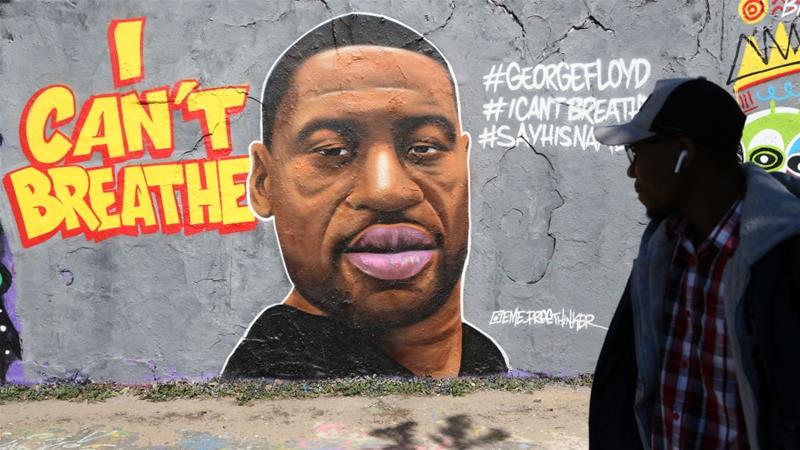
How do we respond to the George Floyd’s suffering? Here’s a message from a martyr.
It’s 2020, and a black man’s life is cut short by a policeman’s knee. I understand the outrage. What I don’t understand is why this is unexpected. Continue reading “Joining Jesus’ fight against evil”
Why doesn’t the Bible condemn slavery? (Ephesians 6:5-9)
Why does the New Testament accept slavery, when treating another person as property is inhuman?
Ephesians 6 5 Slaves, obey your earthly masters with respect and fear, and with sincerity of heart, just as you would obey Christ. (NIV)
Why require slaves to live in a way that falls far short of the kingdom of God, a society where everyone treats each other the way God treats us in Christ? Ultimately, injustice must yield to Christ’s reign, so why doesn’t the New Testament call us to speak out against institutionalized systemic injustice?
In the big arc of the Bible’s narrative, slavery is wrong. The Bible begins with humans equal under God (Genesis 1:26-27), and the first time slavery appears it’s labelled as a curse (Genesis 9:25). The Bible concludes with the powers of evil falling, when avarice ceases and no longer are “human beings sold as slaves” (Revelation 18:13).
So why doesn’t the New Testament call God’s people to condemn slavery? The tough questions are our friends, friends that challenge and reshape our understanding.
Let’s see if we can make sense of what Paul’s saying by examining what he did. Continue reading “Why doesn’t the Bible condemn slavery? (Ephesians 6:5-9)”
The powerful God who reigns in weakness
What does it look like when Jesus unites humanity under his leadership as the kingdom of God? For the church today, that might be the most important question, because that’s our identity, and it defines our mission.
Firstly, this is a radically different kind of politics. We’re accustomed to the world of party politics. The Liberal Party seeks power from and for the business owners. The Labor Party seeks power for the workers. The Nationals seek power for the landowners, and so on. Within each party are factions (left, centre, right), each seeking to gain more control of the party, in the hope of their party controlling the country.
Then there’s the division of countries, with different political systems: democracy, socialism, monarchy, republic, and so on. On the world stage, countries fight for self-interest. Looking back, history looks like struggle of the species, a political “survival of the fittest.” The strongest beasts survive to rule the world, and the winners write history (compare Daniel 7).
The Bible describes an alternative story of politics. Earth’s true sovereign — the king we sideline when we grasp for power, fight wars, and subjugate each other — takes the side of the suffering, not those who cause their pain:
How to read Psalms
This post is longer than normal. It walks you through how to process the Psalms, with Psalm 3 as the example.
Open Psalm 3.
How do you read Psalms? We love the first one: a fruitful tree by the stream. Psalm 2 is more confronting, but we like to read about God’s anointed Son. Then Psalm 3 is about facing enemies. What do you do with that?
If you don’t have enemies, perhaps you skip it and try to find something more joyful? Or perhaps there is someone who’s making your life difficult, so you read on … until you reach verse 7. Are you really supposed to pray, “God smack them in the face and smash their teeth in?”
If you ever end up in court for punching someone, please don’t offer as your defence, “The Bible told me to.”
There is a better way to read the Psalms. They aren’t about “me and God.” You won’t get far if you approach them with the attitude, “What’s in it for me?” You need to ask, “What has this meant for God’s people before me?”
Whose voice?
Who is the me in Psalm 3? No, it’s not you, the twenty-first century reader. Who poured out this graphic lament about the enemies arrayed against him? Any ideas?