Two powers (Matthew 21–28)

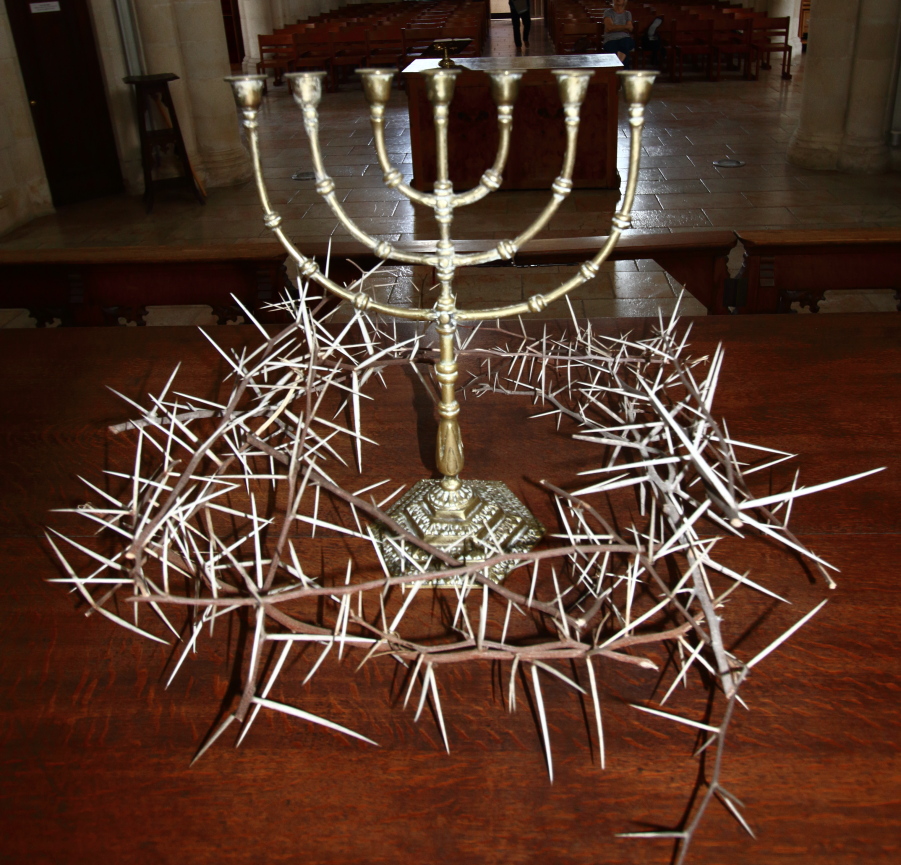
Kings and priests were both anointed in the OT. How does this conflict of powers play out in Matthews’ Gospel? It goes to the heart of his explanation of the cross.

Once you realize the gospel is the good news of the kingdom (with Jesus as the anointed king), you see how the latter part of Matthew’s Gospel is the conflict of the two positions anointed by God: high priesthood and kingship. Matthew 21–28 chronicles the outworking of that clash.

Anticipating the conflict (Matthew 1–20)

Continue reading “Two powers (Matthew 21–28)”

The message of Mark’s Gospel (podcast)

Mark’s Gospel reveals two things about Jesus:

  • his identity (chapters 1–8)
  • his mission (chapters 8–16)

The pivot point is Peter’s declaration of Jesus’ identity (Mark 8:29). Immediately Jesus turns our attention to how Messiah’s mission will play out — his role and our role in his mission.

This 25-minute podcast traces the laser-sharp focus of the shortest Gospel. Recorded at Riverview Joondalup 2022-03-13.

Continue reading “The message of Mark’s Gospel (podcast)”

Our king’s great commission (Matthew 28:16–20)

The Cyrus connection gives us accurate aim for the Great Commission.

“Great Commission” is the label we use for Matthew’s closing paragraph. Raised from tomb to throne, the Christ commissioned his followers to train the nations in his enduring presence.

The Old Testament also ended with a great commission in the Hebrew Bible. Chronicles was the final book of the Writings (after the Law and Prophets), so this is how the story of God’s reign ended before Christ:

Continue reading “Our king’s great commission (Matthew 28:16–20)”

The message of Matthew’s Gospel (podcast)

What is the main thing Matthew says about Jesus, from the first verse to the last?

What message was Jesus proclaiming? Why was he doing the things he did?

Is the Sermon on the Mount best understood as a sermon? Remarkably, it said it didn’t sound like a sermon — more like an address from someone in authority.

How do the parables reveal the way Jesus expected the kingdom to come?

Why didn’t he explain who was king? How does he become king when in the capital there are people who believe they represent God’s authority?

Why did he die on the cross? What statement was God making when he raised him from the dead?

These are the questions Matthew addresses in his Gospel account. We follow Matthew’s main message in this 27-minute podcast, recorded at Riverview Joondalup 2022-03-06.
Continue reading “The message of Matthew’s Gospel (podcast)”

But his enemies are still here (Matthew 28:11-15)

If Christ is risen and reigning, why are we still suffering?

Why does Matthew interrupt the good news to tell us about a lie?

He was on a roll, describing Jesus’ victory over death. Risen. Reigning. Leading from the front like a shepherd. Authorizing angels to break death’s seal, to roll back the stone, to reveal the empty tomb. Then the risen king himself confirmed their commission and called them to the king’s council in Galilee.

So, why interrupt this climactic story of the Gospel to tell us the lie about the disciples stealing the body? There must be something here we really need to know.

Continue reading “But his enemies are still here (Matthew 28:11-15)”

Creativity (podcast)

What is creativity to you? And what does God find creative?

This podcast looks at how God has gifted us as co-creators with the Creator in his earthly realm, how Christ restructured everything with the gifts he gave us to serve in his kingdom, and how the Holy Spirit is the central nerve system empowering the muscles of Christ’s body to do what the head wants done.

Continue reading “Creativity (podcast)”

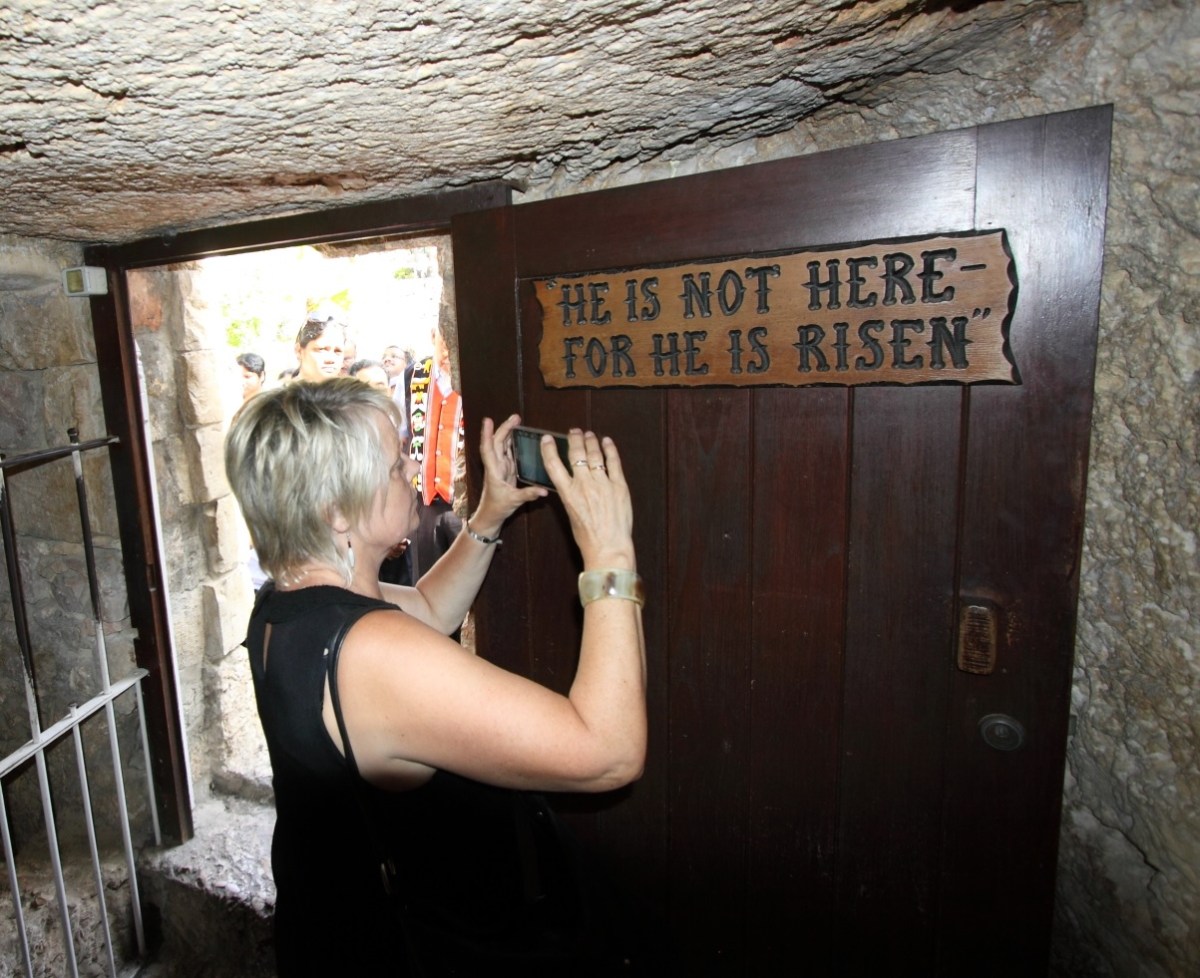
Risen and reigning (Matthew 28:1-10)

God’s government arrived with an empty tomb.

I doubt any of Jesus’ followers could sleep after his crucifixion. The men kept a low profile, fearing for their lives. If the leader had been crucified, what would they do to his followers? Their best chance was blending into the crowds returning to Galilee when the festival was over.

The women had watched from a distance (27:55). Those horror scenes would haunt them. Sleepless in Jerusalem, they rose while darkness still enveloped them to make their way to the only thing they had left: a tomb. The tombs of the prophets enshrined Jerusalem’s tragedies.

What they found

This tomb had been disturbed. It was no longer the final resting place they had watched as Jesus was buried (27:61). The tomb’s mouth gaped open. The stone was rolled to one side. And someone was sitting on the stone: not a gardener or a guard, a messenger in a glistening white uniform.

Continue reading “Risen and reigning (Matthew 28:1-10)”

Guarding the dead (Matthew 27:55–66)

Burial is a sign of respect. Even today in the Middle East, there’s an urgency to burying someone, not leaving them unburied (Deuteronomy 21:23). As Jesus was crucified on Friday of Passover week, no one wanted his body lying around during one of the holiest Sabbaths of the year.

So, the burial was a very public affair that many observed, including:

Continue reading “Guarding the dead (Matthew 27:55–66)”

The death that shook the world (Matthew 27:51-54)

The dead came out of the tombs? What was Matthew saying?

Death feels so final. God did not intervene to prevent Jesus’ death. As I read Matthew, I feel I need time to absorb the enormity of this tragedy, to process the loss, to grieve at the injustice, to feel the familiar futility of a world where God’s anointed falls.

Matthew doesn’t pause. He hurtles on with disjointed details from a turbulent timeline, confusing our grief:

Continue reading “The death that shook the world (Matthew 27:51-54)”

Jesus’ dying question: Why have you abandoned me? (Matthew 27:45–51)

Jesus wasn’t losing his faith; he was losing his life, and talking to his Father about it.

The final words of the crucified king in Matthew are these: My God, my God, why have you abandoned me? What did he mean?

Is this the dark night of the soul, the road ending in utter despair, all his hopes dying with him? Or should we ignore his emotion and seek a theological reason, like Jesus took on the sin of the world so his Father couldn’t stand him and rejected him? Was the trinity falling apart if Father and Son split up? Did Jesus lose his faith in the end? People raise all kinds of questions to try to make sense of Jesus’ cry of dereliction. Few of those ideas are supported by the context.

These words are not unique to Jesus. He was repeating the words of others who felt abandoned too. These are the opening words of Psalm 22. If you’ve ever found comfort in the words of the Psalms as you faced abusive treatment, you’ll understand what Jesus was doing.

That’s the irony. He feels abandoned, forsaken, cast aside by God. But he’s not alone with that feeling. It’s how the people of God have felt for centuries. It’s the unresolved story of his people, the anguish of their history and songs.

Continue reading “Jesus’ dying question: Why have you abandoned me? (Matthew 27:45–51)”

The mind of Christ (podcast) (Philippians 2)

How do you build community? God’s answer to that question is quite staggering, not least because we’re participants in the community he’s building in Christ. How? Well, that amazing hymn in Philippians 2 tells us how.

Continue reading “The mind of Christ (podcast) (Philippians 2)”

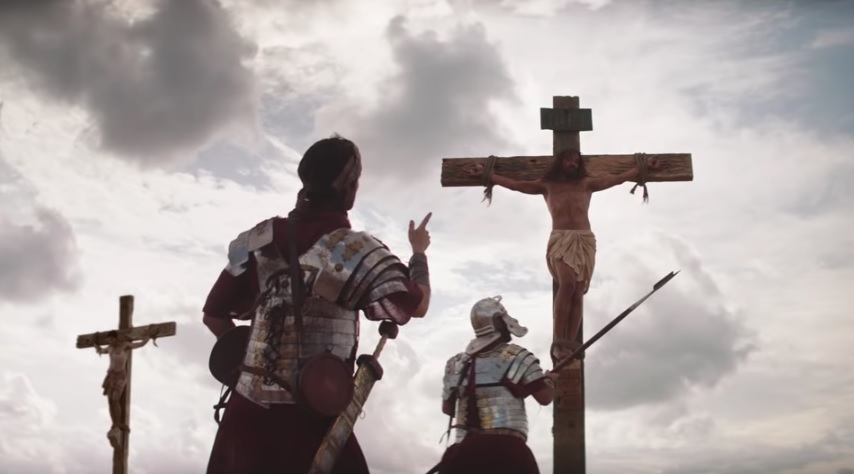
The meaning of the cross (Matthew 27:32–44)

Why does Matthew tell the story of the cross as he does? Should we have the same emphasis when we talk about the cross?

There are so many ways to talk about the cross, the centre of our faith. So, why does Matthew tell the story of the cross the way he does? Does he have a consistent message? What is it?

Continue reading “The meaning of the cross (Matthew 27:32–44)”

Online church: virtual faith?

Is the future of the church online?

Church attendance was already declining in the West when COVID prevented many of us meeting. Online church became a way to stay in touch, express our faith, and hear encouragement from God’s word. So, is the future of the church online?

People were experimenting with online church before COVID. You could join a church in the virtual world, and even be baptized through your avatar (>1 million views).

What about online church? Could it be the salvation of the church in a world where people don’t want to or can’t attend?

Continue reading “Online church: virtual faith?”

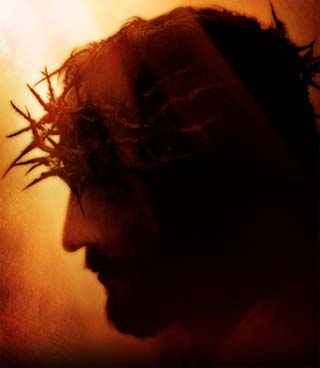
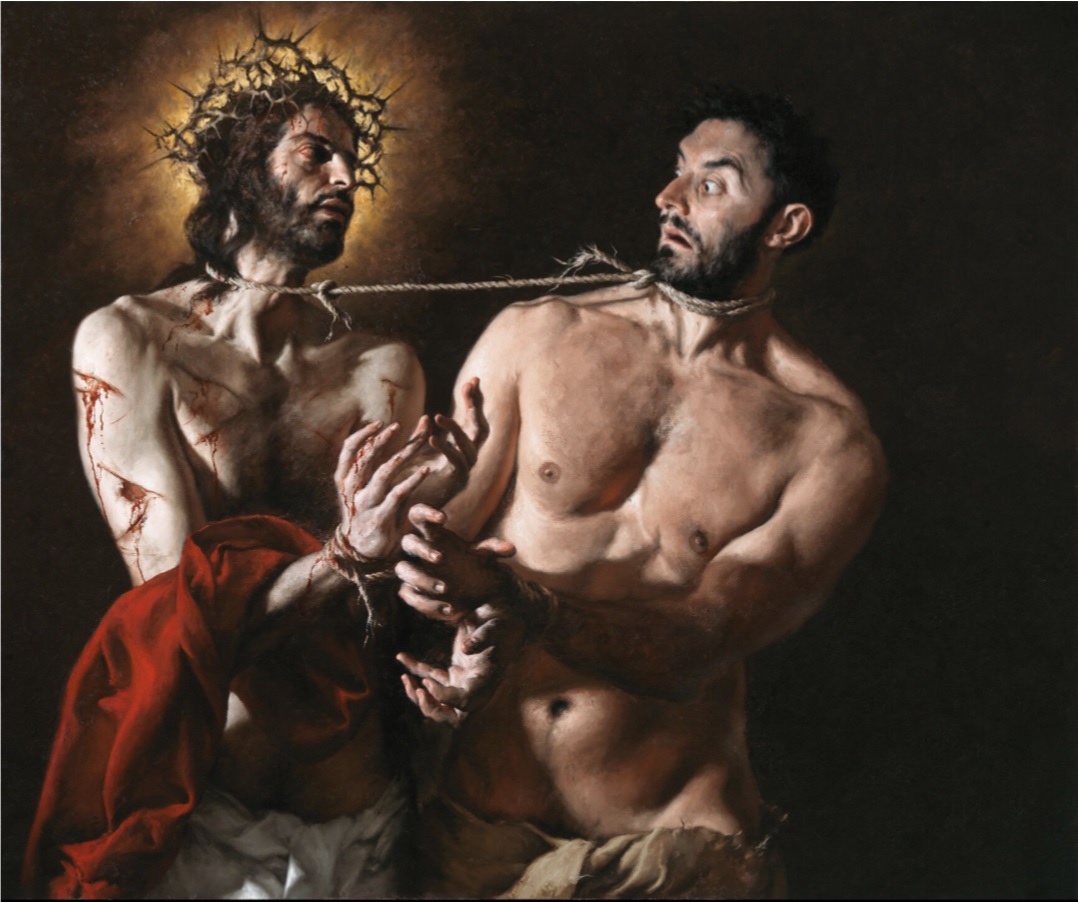
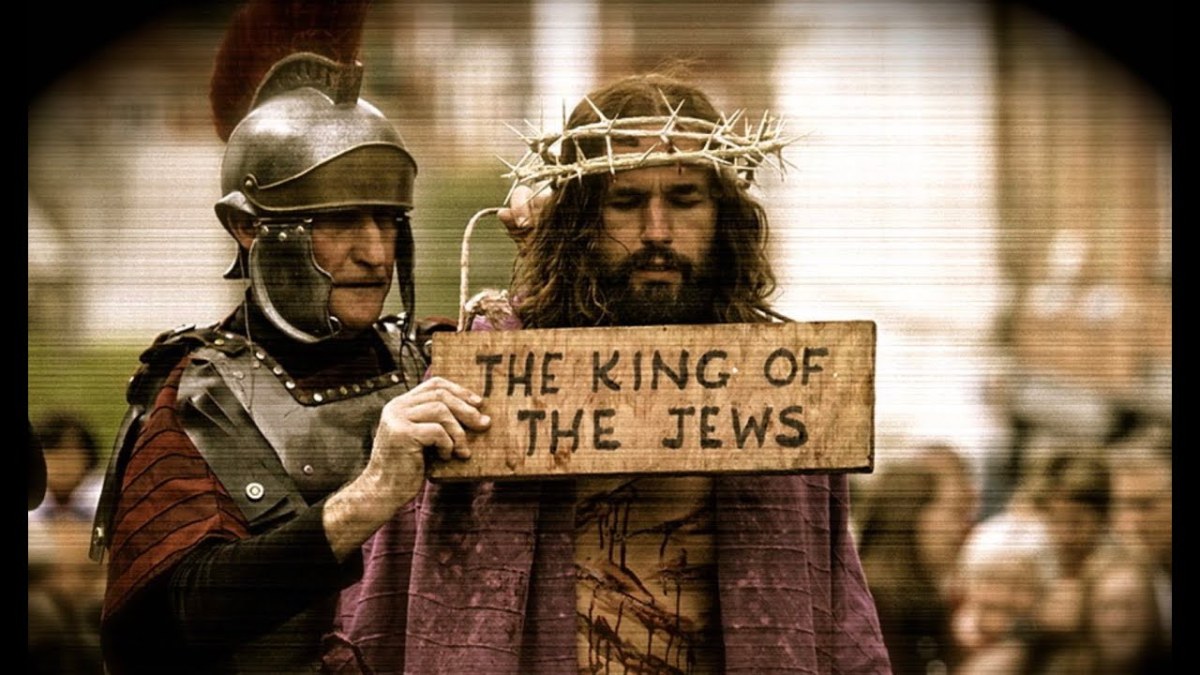
What the mocking reveals (Matthew 27:27–31)

Why do the Gospel writers describe the mockery of Jesus if their aim is to promote him?

What makes a king? Is it the coronation event, that special day when people lead you to the palace, dress you in regal robes, place a crown on your head and a sceptre in your hand, and perform the formal speech act of declaring you to be king?

Matthew describes a mock enthronement where Roman soldiers crown a condemned man to parody the powerlessness of his people. What I want to know is why the evangelists include this scornful humiliation, this parody of worship, if they’re seeking to promote Jesus.

Is there something in this story that reframes how we view power?

Continue reading “What the mocking reveals (Matthew 27:27–31)”

The way of transformation (podcast) (2 Timothy 3)


2 Timothy 3 tracks the transformation that takes place through Christ, turning us inside out, from living for my own self-focused story to participating in God’s astounding story.

Continue reading “The way of transformation (podcast) (2 Timothy 3)”

Which Jesus do you want? (Matthew 27:15–26)

“Jesus Barabbas? Or Jesus called Christ?” What’s your response to Pilate’s question?

The governor was not convinced Jesus had done anything deserving death (27:23). He knew it was out of self-interest that the leaders had handed him over (27:18). He moved to pacify the crowd by offering a prisoner release, giving them the choice.

It seems both men were named Jesus (though this detail is omitted from some ancient manuscripts of Matthew). Pilate offered the people this choice (27:17):
Who do you want me to release to you?
– Jesus son of Abba (Bar-Abbas), or
– Jesus called anointed leader (Christ)?

Jesus was a relatively common name, meaning The Lord saves (compare Matthew 1:21). It’s the Hebrew name Joshua. But these two Jesuses have radically different views on how to save God’s people.

Continue reading “Which Jesus do you want? (Matthew 27:15–26)”

Are you the king of the Jews? (Matthew 27:11–14)

How did Jesus respond as Pilate asked the ultimate question?

Pilate’s question goes to the heart of the gospel: Are you the king of the Jews?

From the very start, Matthew described Jesus as the anointed leader descended from King David (1:1). But Jesus has been less direct in claiming the regal title. Not until his crowning statement at the end do we hear the Christ claiming all authority in heaven and on earth (28:18).

Matthew treats this question as the focus of the investigation. The Jewish trial demands, Tell us if you are the anointed ruler (26:63). The gentile trial begins, Are you the king of the Jews? (27:11)

Jesus’ authority is the issue at stake. Seven times Matthew underscores Pilate’s official status as the governor (27:2, 11, 14, 15, 21, 27).

So how are we to understand the governor’s question and Jesus’ reply?

Matthew 27:11 (my translation, compare NIV)
Jesus was placed before the governor and the governor questioned him, “You are the king of the Jews?”
Jesus responded, “Your words.”

Continue reading “Are you the king of the Jews? (Matthew 27:11–14)”

God and Guns

Not just what to think but how to think on a controversial topic.

My first degree (B Th) was from a Bible college in the American Mid-West. One of the things I wasn’t prepared for was how many church people owned guns and said they would use them to protect themselves.

Guns are a big topic in the US, so it’s refreshing to see some good scholars engaging this debate. Two professors from Fuller Theological Seminary have collated the work of seven others in a new book called God and Guns: The Bible Against American Gun Culture published by Westminster John Knox Press in November 2021.

Now another NT scholar is blogging his responses. Ben Witherington III is someone I consult regularly (most recently 2 days ago). His understanding of how rhetoric functioned in the social setting of the New Testament is second to none. That’s why it was such a thrill to tour Israel with him back in 2014.

So, if you’re interested in how some good American Bible scholars think about this topic, Ben’s blog posts are your way in:

Continue reading “God and Guns”

Gospel encouragement (podcast) (2 Timothy 1)


The gospel will transform the world. The good news that God’s anointed (Christ) is our leader (Lord) changes everything.

So how do we live in a world that is not fully transformed yet? What’s our role? How do we participate in this big story? That’s what Paul discusses in his final letter to Timothy.

Continue reading “Gospel encouragement (podcast) (2 Timothy 1)”