Good news of peace (Ephesians 2:11-22)

It was a day in 1945 my Mum remembered vividly. She was a teenager working in a pharmacy in Roma (Qld) when a great hullabaloo broke out. People were dancing and hugging in the streets. Cars honked, making jubilation laps in the street. Joy swept through the whole town at the news, “The war is over!”

We have a message that’s even greater. Jesus is the end of hostilities on earth!

Have you heard the good news? Continue reading “Good news of peace (Ephesians 2:11-22)”

In Christ: humanity restored (Ephesians 2:1–10)

What we are in Christ — it’s more than we think.

Many people love Ephesians for the way it explains who we are in Christ. That phrase (or in him) turns up 20 times in the first three chapters.

But if the phrase has you thinking about your personal identity, you’ve barely scratched the surface. Ephesians makes a gigantic claim: God is restoring the broken fragments of humanity, bringing us all together into communal life under King Jesus.

Imagine a world released from its dead existence under evil, raised to life in God’s anointed, participating in his resurrected life as he restores us all into community under his kingship.

Continue reading “In Christ: humanity restored (Ephesians 2:1–10)”

Kingdom or Church? (Ephesians 1:18-23)

How come the epistles talk more about church than kingdom?

Kingdom was Jesus’ priority, the restoration of God’s reign. But when we turn to the epistles, there’s more about church than kingdom. Why?

The church doesn’t seem to measure up to Jesus’ kingdom ideal. It’s almost like, “Jesus preached the kingdom, but what we got was the church” (Alfred Loisy, l’Evangile et l’Eglise, 1902, 111).

We need to re-establish the connection between church and kingdom. The connection is Jesus. The head of the church is the king of the kingdom. Continue reading “Kingdom or Church? (Ephesians 1:18-23)”

The destiny God has planned for us (Ephesians 1:4-10)

Does God choose which of us makes it in the end?

You know that feeling when you meet someone for the first time, and they remind you of someone else? Previous experiences shape our current perceptions.

Previous experiences also shape what we see in Scripture. We bring with us what we’ve heard and believed over the years. That’s why it’s such a surprise when someone reads it differently.

A practical example: there’s a tradition where words like predestination and election mean God choosing some individuals to save, and others to damn. If you’ve accepted this all your life, you may not see another possibility — that it’s about God pre-planning the rescue of humanity through the Messiah, not pre-assigning individual destinies for heaven or hell. Continue reading “The destiny God has planned for us (Ephesians 1:4-10)”

What does ‘Son of God’ mean (Matthew 16:16)?

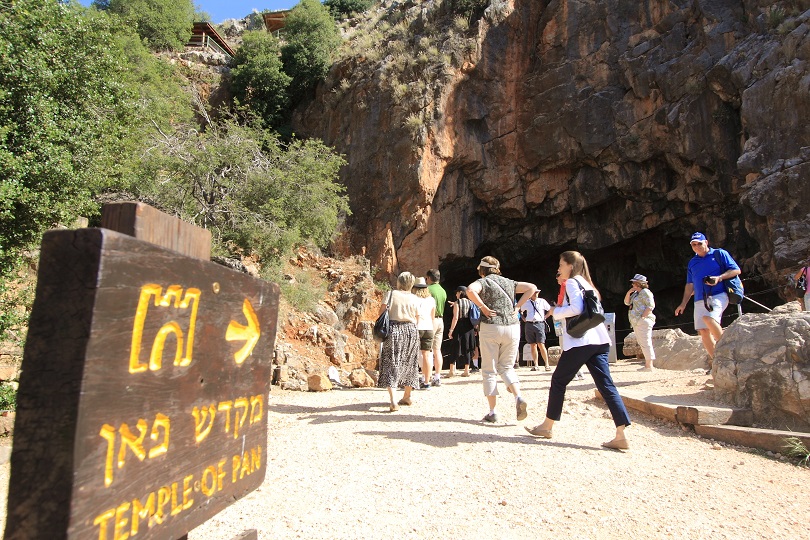
There was this special day when Jesus discussed his identity with his followers. It must have been important for Jesus to take them 40 kilometres north of Galilee, a two-day journey to the headwaters of the Jordan River at Caesarea Philippi.

According to local legend, the cave there was the entrance to the underworld. There were two temples: one dedicated to the Greek god Pan, and another temple to honour Roman emperor. Surrounded by these competing claims for power — spiritual, religious, and political — Jesus asked them how they understood his identity: “Who do people say I am? … And what about you? Who do you say I am?” (Mark 8:27, 29).

This was Peter’s great confession. The synoptic Gospels record his answer slightly differently:

Mark 8 29  Peter answered, “You are the Messiah.”
Matt 16 16  Simon Peter answered, “You are the Messiah, the Son of the living God.”
Luke 9 20  Peter answered, “God’s Messiah.” (NIV)

There’s no problem with the differences. Biographers regularly condense dialogue, and occasionally they expand it for emphasis or to explain the sense. The question is, Did the Gospel writers think Peter had made two significant statements about Jesus, or one? Continue reading “What does ‘Son of God’ mean (Matthew 16:16)?”

Living in the cross-hairs

If the gospel is good news for the whole world, what’s it like to live the gospel? Surely it’s the best life we could possibly have?

That’s true in the long term. Life under Jesus’ kingship is indeed the best life earth could ever know. There will be no more selfishness when the poor inherit the kingdom, no more abuse of power when the meek inherit the earth.

But in the short term, it’s not quite so simple. Can we live selflessly while people take advantage of us? What happens if we live powerlessly in the face of abusive powers? Won’t we get crucified?

Continue reading “Living in the cross-hairs”

Genuine love

What does this mean to you?

Love must be sincere. Hate what is evil; cling to what is good (Romans 12:9 NIV).

It says I must resist the temptations that suck me in, so I don’t fall into sin, right? That’s what most of us hear, but that’s not what Paul said at all. It’s actually about loving people, not individual struggle.

Continue reading “Genuine love”

Finding it hard to believe? (John 3:16)

If you find it hard to believe, you’re not alone.

Forty-three years ago, a bulk ore carrier struck the pylons of a bridge in Hobart, and the central sections of the bridge fell into the Derwent. Some Tasmanians still refuse to drive over that bridge. You can show them the bridge is safe and they’ll believe you, but they can’t trust it with their lives. They want to believe, but after the trauma it’s not so easy. Continue reading “Finding it hard to believe? (John 3:16)”

God’s gift to the world (John 3:16)

The gift that’s exactly what we need.

We’re reading John 3:16 as the story of the kingdom of God, the lens Jesus used. God is sovereign. The world resists him. The sovereign persists in loving his resistant realm. He does so by sending the most amazing gift.

Queue the questions:

  1. What does it mean to say God gave his Son?

Continue reading “God’s gift to the world (John 3:16)”

God and his world (John 3:16)

What do we mean by “God loves the world”?

If Jesus made the kingdom of God the centre of everything, surely we can learn to hear Scripture as he did. This lens reframes everything, even familiar texts:

John 3:16 (NIV)
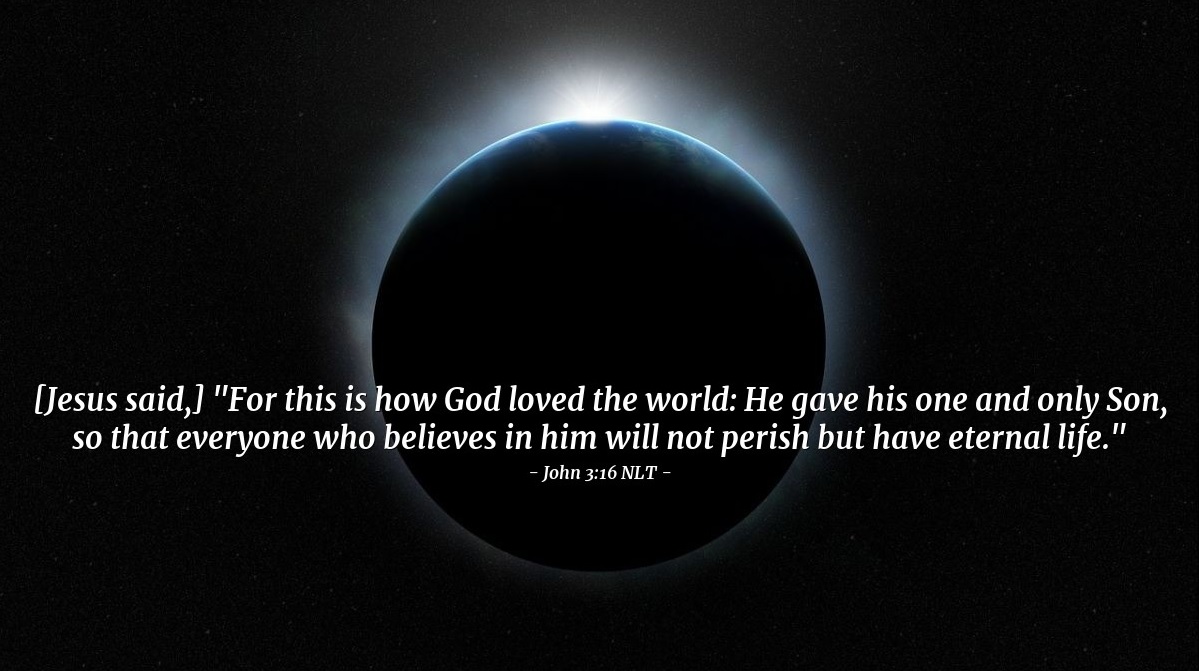
16 For God so loved the world that he gave his one and only Son, that whoever believes in him shall not perish but have eternal life.

Let’s ask some fresh questions: Continue reading “God and his world (John 3:16)”

The king who heals creation (Exodus 15:22-27)

Open Exodus 15:22-27.

The euphoria of coming out from Pharaoh’s oppressive rule didn’t last long. The Hebrews soon discovered they were still in a broken world.

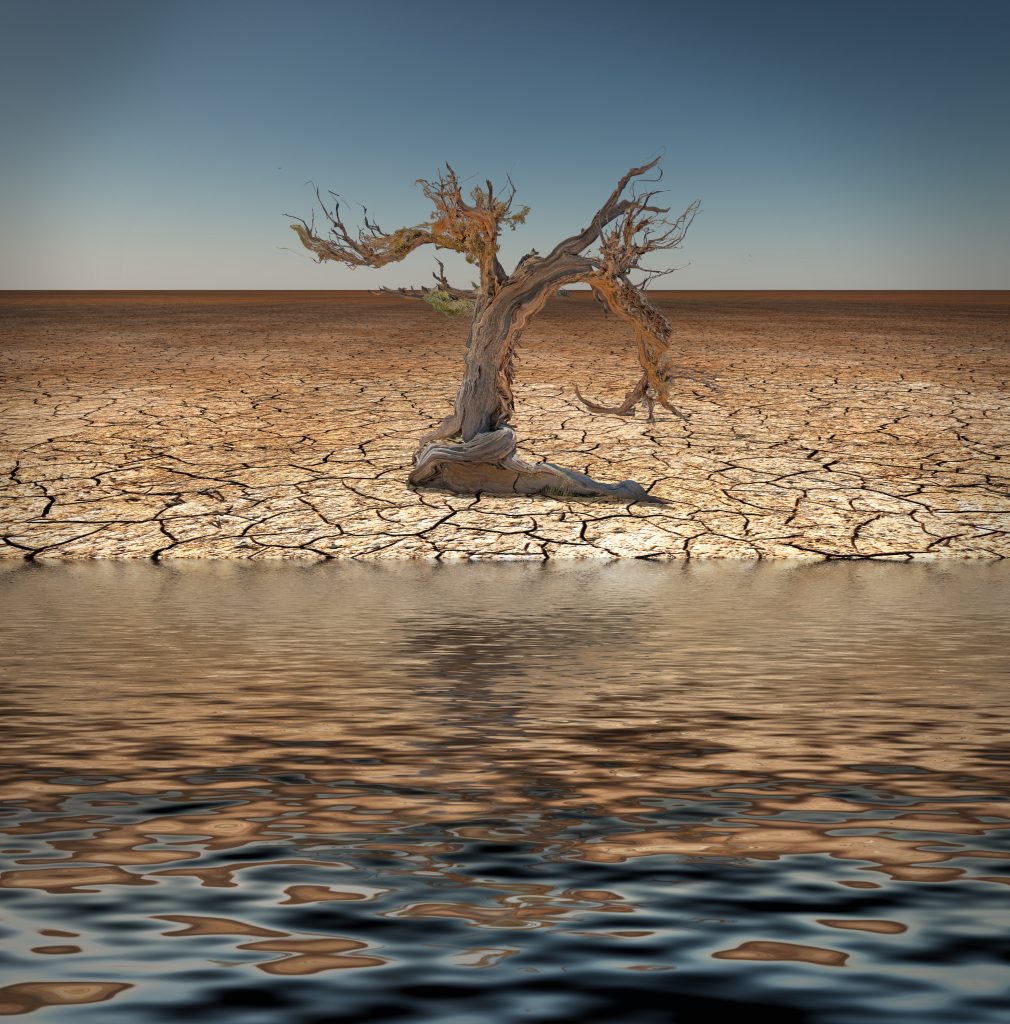
They had not returned to Eden’s Garden where the rivers of God’s presence gushed forth in all directions to water creation (Genesis 2:10-14). No, they were in parched wilderness, without water, for three days (15:22). Continue reading “The king who heals creation (Exodus 15:22-27)”

The significant song (Exodus 15)

Open Exodus 15:1-21.

What makes a great song? Lyrics that voice what you feel? Rhythm that moves you? Layers of rich harmony? Chord progressions that take you places?

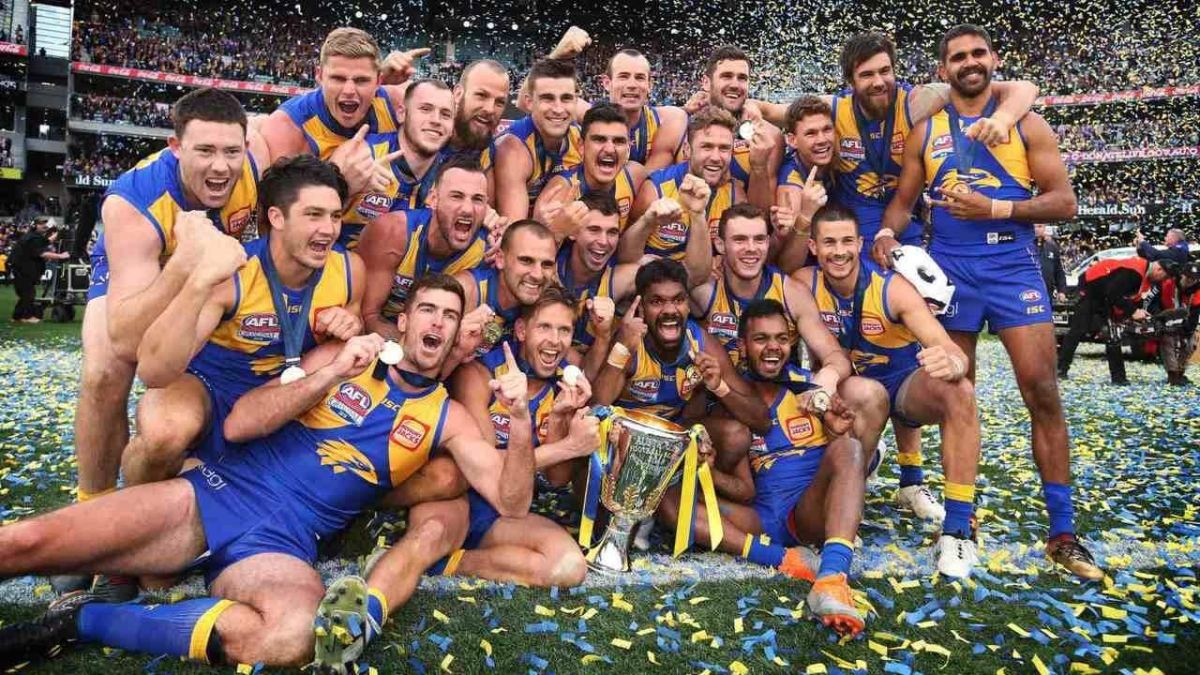
A song rang out over the  MCG at the final siren on 29 September 2018. It was the song every Eagles fan wanted to hear. The right song in the right moment sweeps you up and carries you like a raft on a white-water stream.

The first song in the Bible was that kind of song — the greatest victory song you could imagine. We waited 65 chapters to hear it. There’s only been one mention of a song, a song Jacob turned down. After 20 difficult years, Jacob slipped away quietly, rejecting the party Laban offered with mirth and song pretending everything is okay  (Genesis 31:27). Our world is still full of escapist songs that don’t quite ring true.

Finally we get the true song, the authentic celebration. The song celebrates the moment they were released from serving Pharaoh to serve a new king. With his chariots on the sea floor, Pharaoh had no power to enslave them again. You can’t stop the music: Continue reading “The significant song (Exodus 15)”

When the threat of force sinks under its own weight (Exodus 14:15-31)

Open Exodus 14:15-31.

The Red Sea event proclaimed a definitive message: God made a way where there was no way — literally through the sea (14:21-23).

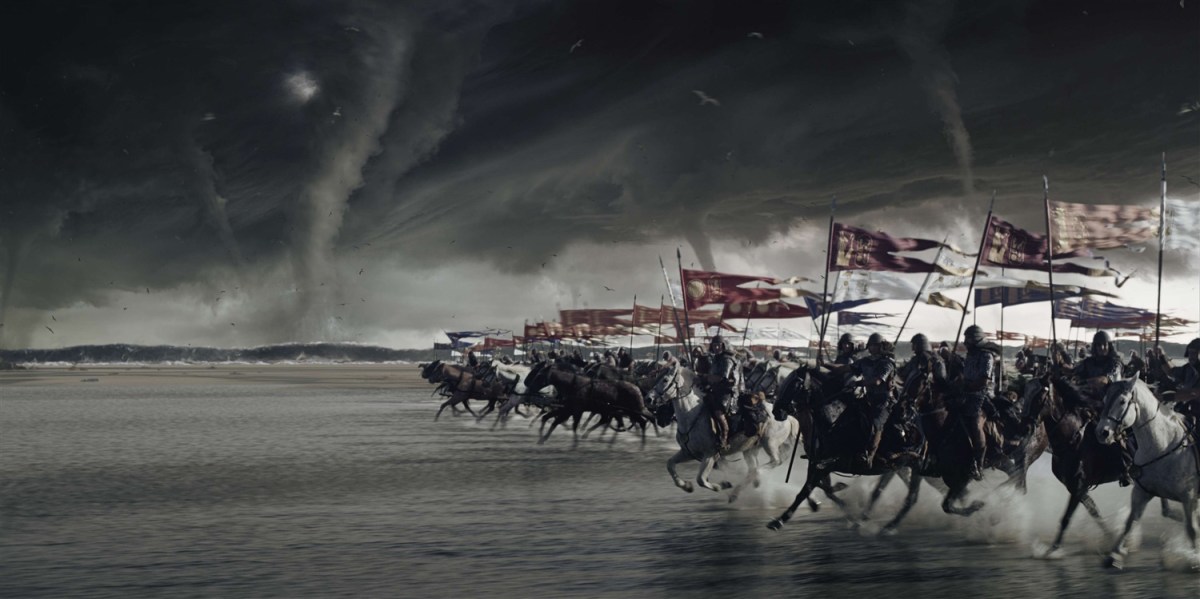
Even there, Egypt’s military power pursued them: “all Pharaoh’s horses and chariots and horsemen” (14:23). In ancient warfare, chariots were the equivalent of tanks: a protective, fast moving vehicle, able to outrun an enemy.

But the pathway God provided did not support chariots. They bogged down in the sandy sea floor. That’s when the Egyptians realized they were up against a foe they could not defeat: “Let’s get away from the Israelites! The Lord is fighting for them against Egypt.” (14:25).

When God’s people had passed through, Moses stretched out his hand again and the way through the sea closed. In this moment, the powerful chariots of Egypt’s mighty army become became junk on the sea floor.

Earth’s true ruler does have a way to release his world from the reign of evil and death. All the treacherous rulers and deadly weapons on earth cannot obstruct the purpose of the true sovereign, and his people.

The Red Sea event addresses the big justice question, “Can love defeat violence?” In YHWH versus Pharaoh, the power of love triumphs over the love of power.

The true ruler doesn’t need the power of an army to enforce his will. Nature itself responds to its true king. Even the sea. Even the uncontrolled places beyond human rule.

Continue reading “When the threat of force sinks under its own weight (Exodus 14:15-31)”

“Stand still and see the salvation of the Lord” (Exodus 14:13-15)

Open Exodus 14:13-15.

A friend was preparing to preach on this text: “Stand still and see the salvation of the Lord!” He planned to say that salvation is the work of God. I can’t earn it. I can’t contribute to it. Regeneration is a work of the Holy Spirit.

Great ideas, but is that what this verse is saying? I cringed, knowing I’d misused this text too. Quietists love it: all we need do is stand still and let God act, “let go and let God.”

But the context won’t allow us to use the verse this way.

Who spoke these words? They’re not a promise from God. They’re from Moses’ mouth. In a difficult situation, Moses contradicted what God told the Israelites to do. That’s why he received this mild rebuke: Continue reading ““Stand still and see the salvation of the Lord” (Exodus 14:13-15)”

When it feels like a dead end (Exodus 14:1-9)

Pharaoh’s pursuing army

Open Exodus 14:1-9.

Freedom! The Israelites are no longer Pharaoh’s slaves. They’re marching out of Egypt with a new identity: the people of YHWH! Their king is present in cloud and fire. He leads them south towards the Sinai Peninsula. There they will discover his character, and covenant with him to be his people.

But … there’s a problem. See that dust rising into the northern sky? It’s gaining on them. At chariot speed. The Middle East’s most powerful army is coming to take them captive again. Continue reading “When it feels like a dead end (Exodus 14:1-9)”

The king in the cloud (Exodus 13:17-22)

You can’t see God, but you can see the effect of his presence.

Open Exodus 13:17-22.

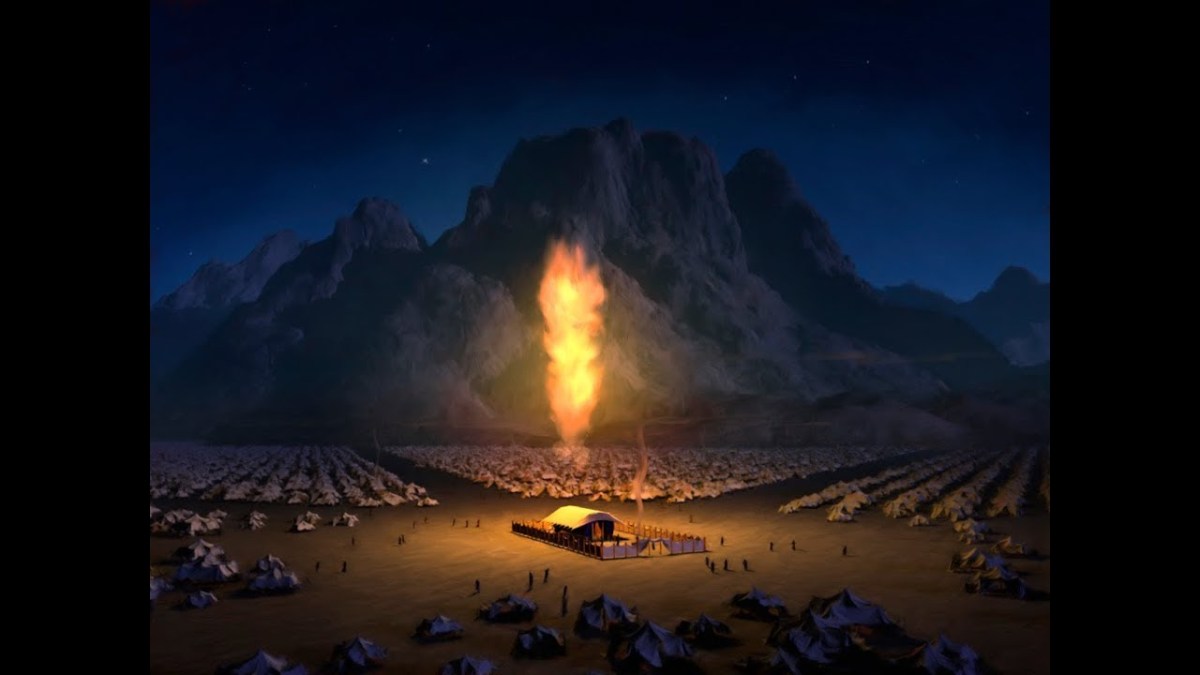
National leaders love to be seen out in front of their nation, leading their people. But what if your king is invisible? Released from Pharaoh, Israel has a king who cannot be seen and cannot be represented by any visible carved image. How on earth do you follow a ruler like that? Continue reading “The king in the cloud (Exodus 13:17-22)”

Significance of Passover (Exodus 12–13)

Open Exodus 12–13.

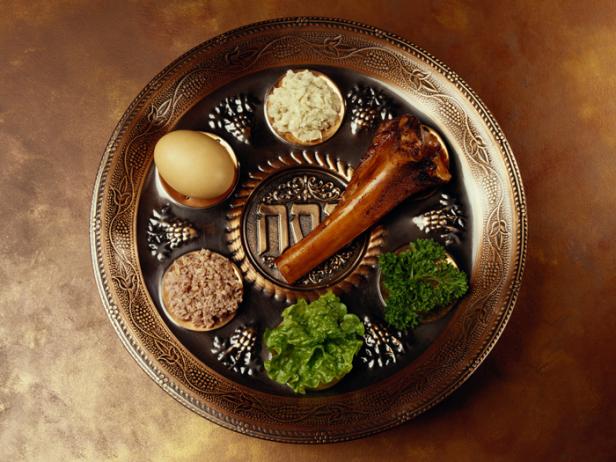
What’s the message of the Passover story? What comes to mind for you? Do you picture a lamb being sacrificed for the people of God to be forgiven their sins?

Would it surprise you to know the Book of Exodus never says anything like that? We can’t understand what Scripture says if we smuggle in assumptions about sacrificial theology that aren’t there.

This matters because Passover is so significant. Even today, it’s still one of the most significant weeks in the Jewish calendar, celebrating the birth of their nation. More than 3,200 years ago, God released them from serving Pharaoh, to be something new and privileged: a nation directly serving the divine sovereign, a kingdom of God.

So what does Exodus say? Continue reading “Significance of Passover (Exodus 12–13)”

When Egypt lost its heirs (Exodus 11–12)

What does the final plague reveal about God?

Open Exodus 11 – 12.

Nine times, Pharaoh has been shown to be just another stubborn human, not the person who rules the world. His own advisors no longer find him credible (10:7). The Egyptians now have more respect for Moses than for Pharaoh (11:3).

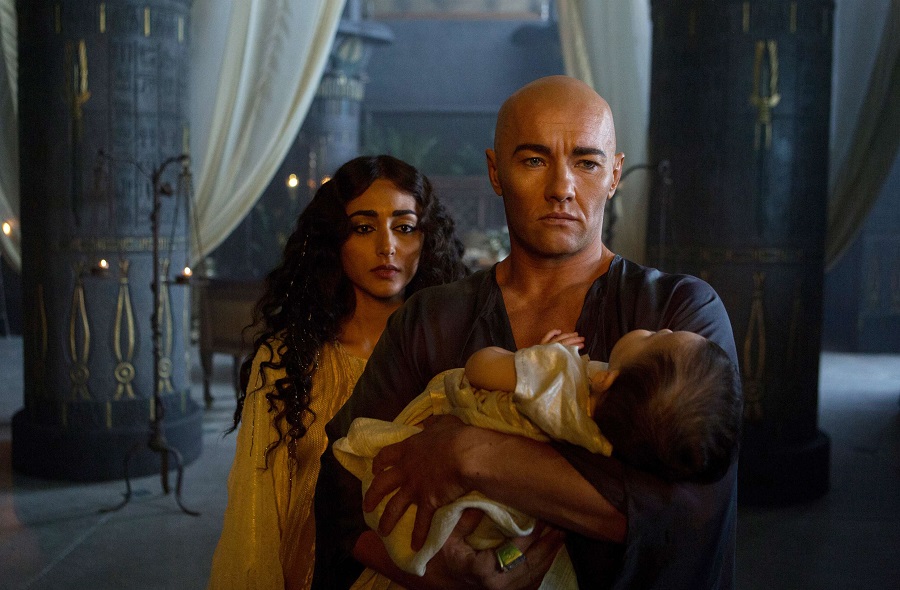
That makes Moses’ final announcement even more devastating: every family in Egypt will lose its heir (11:5). The Egyptians will rise up to demand their king release God’s people (11:8).

But how do you feel about God killing thousands of Egyptians? Can we get God off the hook? Could we blame the angel of death instead? Continue reading “When Egypt lost its heirs (Exodus 11–12)”