Psalm 89: The Lord’s reign through David has died

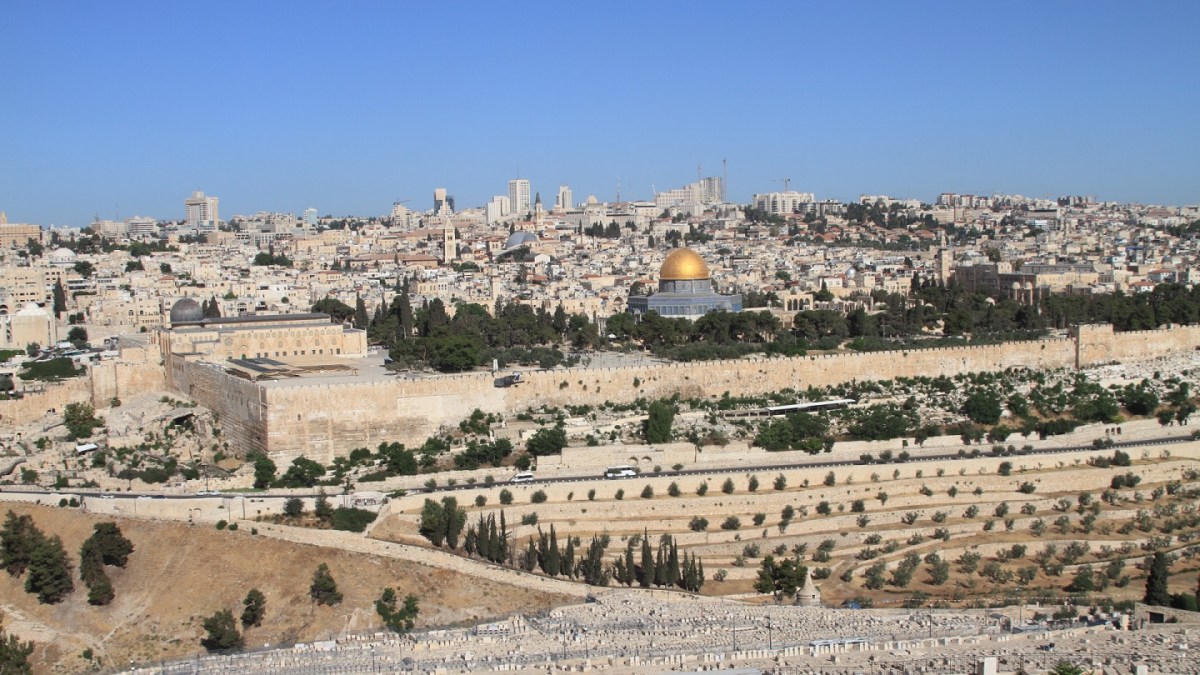
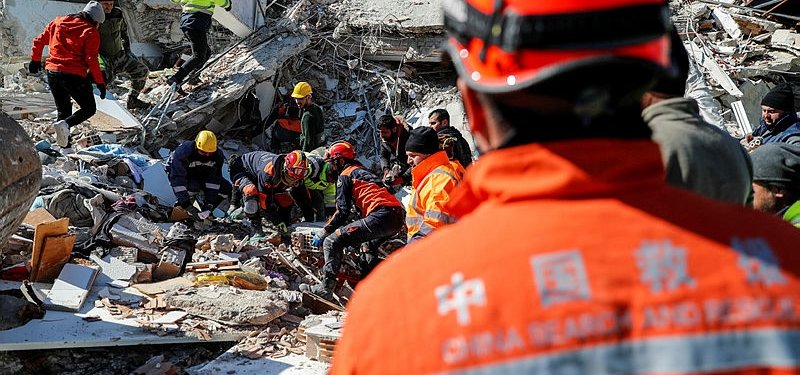
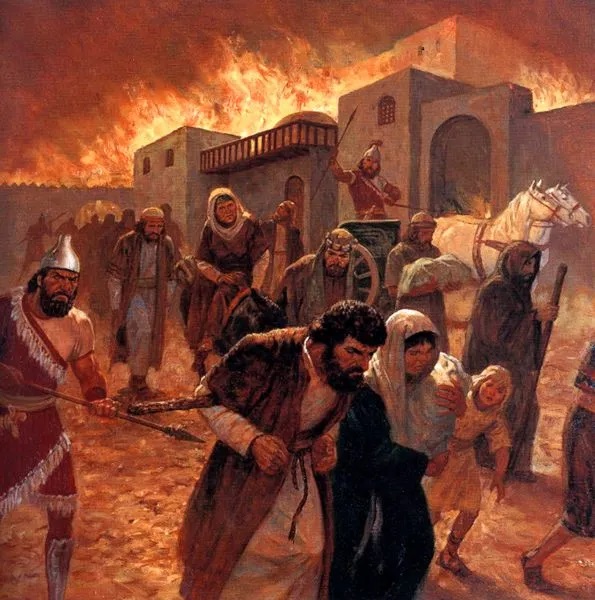
The final psalm in Book 3 is the low point of the Psalter. Jerusalem has fallen. Judah is captive to Babylon. There is no longer any nation to show the nations the wonder of belonging to God. The kingdom of God and the reign of David no longer exist.

Psalm 89 is attributed to Ethan the Ezrahite, but we don’t know who he was. He speaks for a people grappling with contradictory realities: God is faithful, but we’re not experiencing it.

Psalm 89 takes us up to the heights, and down to the depths. In summary:

Continue reading “Psalm 89: The Lord’s reign through David has died”
Psalm 80: Israel has fallen

How do you pray when everything falls apart?

Books 1 and 2 of the Psalms focused on the reign of David and his sons (Psalms 1–72). Seeing the kingdom fall in Book 3 is heart-rending:

Psalm 79:1 O God, the nations have invaded your inheritance; they have defiled your holy temple, they have reduced Jerusalem to rubble.

The disintegration began when Solomon died and the kingdom split (1 Kings 12). Only Judah (the southern kingdom) retained the Davidic kingship and worshipped in Jerusalem. The northern tribes made Samaria their capital, crowning their own kings, setting up their own worship centres. Eventually, both kingdoms fell.

Psalm 80 responds to the fall of Israel to Assyria in 722 BC. Psalm 89 responds to the fall of Judah to Babylon in 586 BC. We’ll keep Psalm 89 for next time.

Continue reading “Psalm 80: Israel has fallen”

Psalm 72: Prayer for the king

How does Israel’s prayer for their king (Psalm 72) relate to us today?

As we saw in Psalm 48, Israel prayed to and honoured the Great King who lived in the temple they provided for him in the capital. In Psalm 72, God’s people pray for the king who mediates God’s reign to his nation.

These were the two ways Israel experienced the reign of their heavenly sovereign:

  • the temple was God’s house, with his throne (the ark) in his private chamber;
  • the king was God’s viceregent, the living expression of heaven’s reign on earth.

In Psalm 72 (the final one of Book 2) the kingship transitions from David to his son, as his people pray for his reign to endure forever.

First we’ll see what this meant for Israel, so we can understand what it means for us.

Continue reading “Psalm 72: Prayer for the king”

Psalm 48: The praise of Zion

What does “Zion” mean to you?

Psalm 48 is a song of praise, from the Korahites (Levites who assisted with worship). They celebrate Mount Zion, the hill in Jerusalem where God’s house was. We’ll begin by asking what this psalm meant to them, before we ask what it means for us.

For Israel

Continue reading “Psalm 48: The praise of Zion”

Everyone leading (podcast) (Isaiah 53)

What sort of leader is God? How does God’s leadership define the way we lead?

Is “mutual submission” an oxymoron? It’s not part of the political our commercial landscape. Influencers are people with followers, right? So where would we even look for such a radical model of leadership?

Continue reading “Everyone leading (podcast) (Isaiah 53)”

Psalm 22: David’s “defeat”

Update 2024-08-09: Added podcast on Psalm 22.

We saw in Psalm 3 that “of David” refers to the Davidic kings who were God’s anointed throughout the generations (not just the individual from the tenth century BC). Now we’re ready to approach Psalm 22.

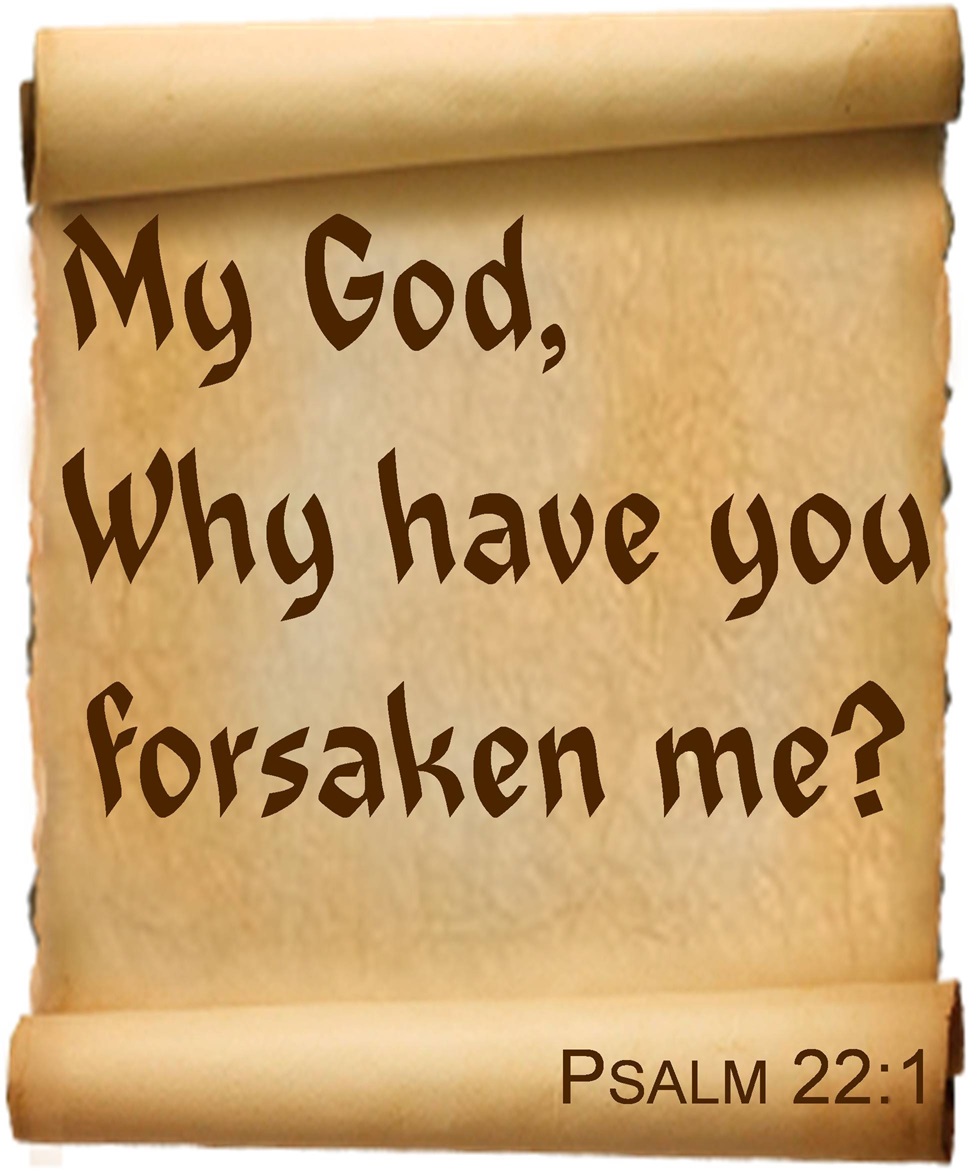
The opening words may sound familiar: “My God, my God, why have you forsaken me?” These were the words on Jesus’ lips at his crucifixion (Matthew 27:46 || Mark 15:34).

But before we ask why Jesus reused the opening words of Psalm 22, what did those words mean in their Old Testament setting?

Continue reading “Psalm 22: David’s “defeat””

Psalm 3: David’s enemies

Why am I constantly confronted with David’s enemies in the Psalms? What relevance does that have for us?

Update 2024-08-09: Added podcast on Psalm 3.

The first thing you’ll notice about Psalm 3 is the comment before verse 1. This is the first psalm “of David.”

The first two psalms didn’t have a title like this. They set the foundation for the relationship between the Lord and his people. That relationship was established by the Law of the Lord (Psalm 1), and implemented in the reign of the Lord and his anointed (Psalm 2).

Now in Psalm 3, we turn to the Lord’s Anointed. All the remaining psalms in Book 1 are “of David,” with one exception (Psalm 33).

So, are you ready for the privilege of listening in on the king’s prayers?

Continue reading “Psalm 3: David’s enemies”

Psalm 2: The Lord’s reign

Update 2024-08-01: Added Podcast on Psalm 2.

Without Psalm 2, you’ll get bogged down when the Psalms talk about “enemies.” Book 1 talks about enemies and foes fifty times in 41 Psalms. Some people just skip these psalms, looking for something more joyful.

Psalm 2 is the missing piece of the puzzle. David’s enemies are God’s enemies. As the Lord’s anointed (verse 2), David represents God’s reign on earth. So, any enemy of David is an enemy of the one who appointed him.

Continue reading “Psalm 2: The Lord’s reign”

Formed in God’s Story: Psalms

Twelve Psalms in six weeks.

Update 2024-09-12: All notes and podcasts are now linked.

Interested in the Psalms? Do you know what they meant to Israel as their story unfolded in the five books of the Psalms? Why was David so central? Does that have anything to do with Jesus? What do the Psalms mean to us?

We’ll take two Psalms each week for six weeks, selecting different genres from across the five books within the Psalms, so that you’ll know how to treat the Psalms well.

We’ll add notes and podcasts here each week. We’re meeting on Wednesday evenings (7–9 pm) from 31 July to 11 September 2024 (except 14 August):

Continue reading “Formed in God’s Story: Psalms”

Formed in God’s Story: Acts

Notes and podcasts on the Book of Acts

Updated 2024-06-20: Final notes and podcasts added.

Interested in a 7-week journey through Acts?

Each Wednesday evening we cover 2 chapters, take a coffee break, and then the next 2 chapters. At four chapters each week, we cover the 28 chapters in seven weeks.

The full notes for Acts 1-28 are here (PDF, 17MB). Alternatively, you can download the podcasts and notes for each week:

Continue reading “Formed in God’s Story: Acts”

Formed in God’s Story: Old Testament Prophets

Here are the notes and podcasts you need to understand the setting of the Old Testament prophets: Isaiah – Malachi.

[Update 2024-03-21: Full notes and final podcasts added]

The Old Testament concludes with the major and minor prophets. Do you know how each of these books fits into the Bible’s story? I mean, if we don’t know the situation they were addressing, it’s hard to make sense of what God was saying through them.

Here’s your opportunity to put the Prophets in perspective. Over the next six weeks, we’ll provide you with notes and a podcast covering the background of each one so you can read them for yourself.

You can download the full set of notes (60-page PDF), or the weekly notes for the six-week course (held Feb/Mar 2024), with two podcasts each week:

Notes will be available ahead of time, and the podcasts afterwards. The sessions are at Riverview Church in Perth Western Australia on Wednesday evenings.

Continue reading “Formed in God’s Story: Old Testament Prophets”

The beatific community of the king (podcast)

How do we become blessed? Do the Beatitudes tell me how to get the blessing? Or was Jesus speaking as the king elect, describing how beautiful the community under his heaven-appointed leadership would be?

What are the Beatitudes? What are they calling us to do or be?

Continue reading “The beatific community of the king (podcast)”

Formed in God’s story: Leviticus – Joshua

This is part 3 of a survey of the Torah and historical books, looking at how we are Formed in God’s Story: Genesis–Esther.

We saw that all people belong to God, but in response to the nations going their own way God promised his own nation to show what they’re missing (Genesis).

We saw God freeing Jacob’s descendants from bondage to human rule, forming them into a nation under his leadership through the Sinai covenant (Exodus).

This third part describes life in the kingdom led by the Lord:

  • How were the people to live as a nation that honours its sovereign? Leviticus answers the holiness question.
  • What if his people don’t follow him? Won’t that wreck God’s plans? Numbers addresses the faithlessness question.
  • What about the next generation? Deuteronomy deals with the generational issue.
  • What about the nations that already occupied the land God promised them? Joshua confronts the territorial issue.

So, here are the notes for part 3, covering these four books:

Continue reading “Formed in God’s story: Leviticus – Joshua”

Formed in God’s story: Exodus

[Updated 2023-05-05: Podcasts added]

God desires to rescue his earthly realm from the powers that oppress us because of lust for power. Pharaoh is the example in Exodus. God saves the descendants of Jacob, forming them in a nation to show the other nations what God intends for us all: how it works when we live under his wise and caring leadership.

But not long after his people agreed to live in covenant relationship with their heavenly sovereign, the whole relationship was compromised by their unfaithfulness. That’s when they discovered the faithfulness of God: his persistent, caring, uncompromising faithfulness kept on rescuing them.

Eventually they provided the holy space for God to live among them and lead them. The final chapter of Exodus celebrates God’s glorious presence as he leads the people who recognize his kingship.

It’s how the world should always have been: God living among us and leading us.

Continue reading “Formed in God’s story: Exodus”

Formed in God’s story: Genesis

Update 2032-04-29: podcasts added.

If you’ve been around church for any time, you’ve heard of Adam and Eve, Cain and Abel, Noah and the flood, Abraham and Sarah, Jacob and his sons. You’ve probably heard debates about creation and evolution. You know about the snake and the fall. You may have heard of Nimrod or the Nephilim, or compared our time to the days of Noah.

These topics are in Genesis, but they are not the message of the book. Why was Genesis written? What is the theme at the core of the book? What is this book doing at the start of the Bible’s narrative?

Genesis is far more than a collection of fascinating stories. There’s something grander going on, a narrative that is greater than the sum of its parts.

So what is it? How does the story work, and where is it going? Here’s the macro story, the big picture of how the story flows in Genesis, what it says about God and us, and how this draws us into the whole Bible narrative:

Continue reading “Formed in God’s story: Genesis”

Formed in God’s story (Genesis – Esther)

[Updated: Notes and podcasts added.]

How well could you explain the big arc of the Bible’s narrative? Could you piece together the Old Testament story from its creative beginning in Genesis to the postexilic Persian pressure of Esther’s time?

I’m preparing a sweeping 6-week overview of the Torah and historical books, and you’re invited. If you’re in Perth Western Australia, let’s get together. If not, you can still download the notes each week to catch the wind of what God is doing.

Formed in God’s Story: Genesis to Esther covers the 17 foundational books that provide context for the Psalms and Prophets. This is the backstory for Jesus’ mission (Matthew – John), our mission (Acts – Jude), and the restoration of all things (Revelation).

This is God’s story, but we’re not merely binge watching it. We’re living in it. We’re being formed in God’s story.

Continue reading “Formed in God’s story (Genesis – Esther)”

Spiritual warfare (podcast) (Ephesians 6:10–17)

The conflict we’re involved in is a rescue mission.

What is spiritual warfare? What are we fighting? How does God fight evil?

What is God’s armour? When did God use armour? How does that train us to use God’s armour?

This podcast (29 minutes) was recorded at Riverview Church (Burswood, Western Australia) 2023-02-12.  It’s also on Youtube.

Continue reading “Spiritual warfare (podcast) (Ephesians 6:10–17)”

How God loves the world (podcast)

John 3:16 says God loves the world, but what does that look like? How does the heavenly sovereign demonstrate his unfailing, faithful love for his earthly realm?

We anticipate the arrival of God’s love as we celebrate the Advent season. But what is God’s love? Since God is love, to understand God’s love is to perceive God.

This podcast (20 minutes) looks at the back-story for the claim that God loves his world (John 3:16). God’s faithful, unfailing, committed covenant love has been there since the beginning, and arrived in the person of the Christ.

Continue reading “How God loves the world (podcast)”