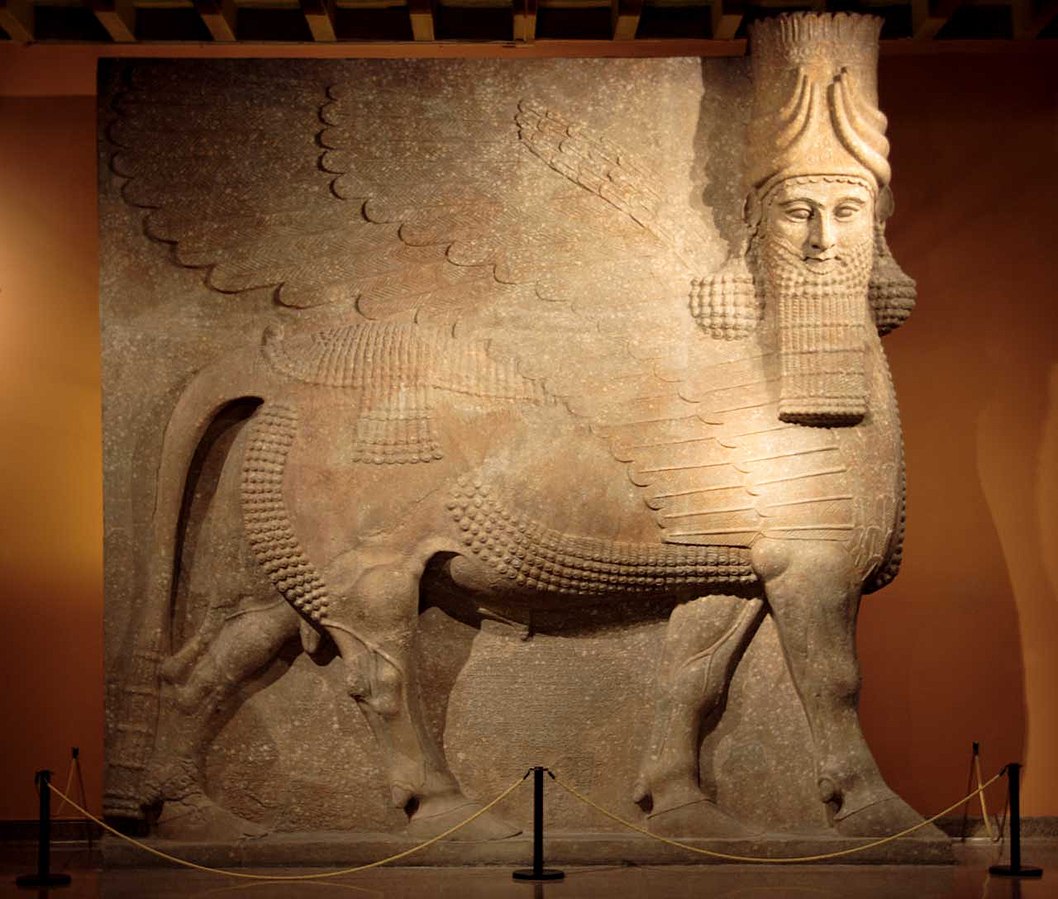
The enigma of God’s throne (Ezekiel 1)

Ezekiel didn’t know where he fitted on earth until he saw the wheels within wheels in the heavens.

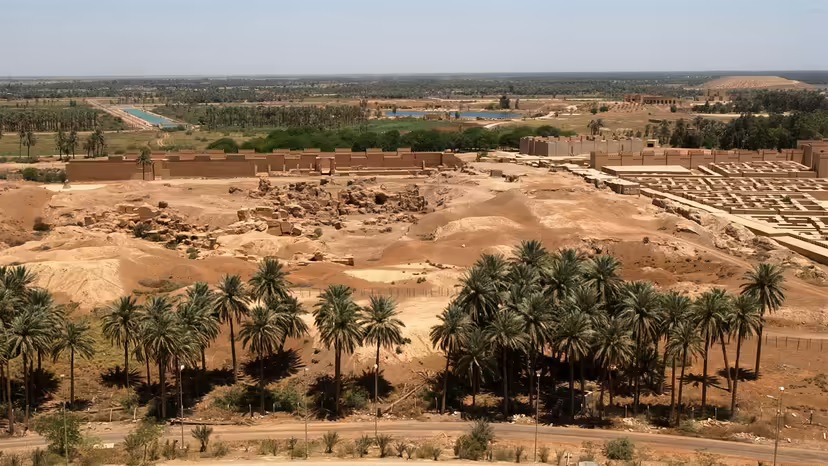
By the rivers of Babylon, Ezekiel sat like a fish out of water. Despite all the glitz and glamour of Babylon, he didn’t fit here. He was living in a world that didn’t match his identity. It’s a feeling many of us can relate to.

But what could Ezekiel do? He didn’t really want to be there. Everything he valued was falling apart. A huge storm was brewing, about to blow everything away. It had already swept westward, and now it was turning south towards Egypt, with Ezekiel’s city (Jerusalem) in the firing line. It felt like a hurricane no one could survive.

That’s when Ezekiel looked up and saw another storm in the heavens, north of Babylon:
Continue reading “The enigma of God’s throne (Ezekiel 1)”

Where is God’s reign when the kingdom falls? (Jeremiah 41–52)

Jeremiah’s message helps us recover when everything falls apart.

Just as Jeremiah had said, Babylon swept through the whole region, ingesting all nations into its kingdom. God’s nation was no more. They lost the land where God’s anointed reigned. They lost the land Joshua fought for. They lost the land God promised to Abraham, Isaac, and Jacob.

How could they make sense of the world now? They’d regressed 700 years, to the time before God formed them as his nation at Sinai. The leaders and influencers were captives in Babylon. What should those who were left behind do now?

Feeling exposed and insecure, they considered going back to Egypt where Pharaoh might protect them. They asked Jeremiah.

Continue reading “Where is God’s reign when the kingdom falls? (Jeremiah 41–52)”

New covenant, new king (Jeremiah 31)

A new covenant means a new king. That’s the gospel in Jeremiah.

“I know the plans I have for you,” may be our favourite text from Jeremiah. But here’s the favourite of the New Testament writers (quoted in Luke 22:20; Romans 11:27; 2 Corinthians 6:16; Hebrews 8:12; 10:16-17):

Jeremiah 31 (NIV)
31 “The days are coming,” declares the Lord, “when I will make a new covenant with the people of Israel and with the people of Judah. … 33 “This is the covenant I will make with the people of Israel after that time,” declares the Lord. “I will put my law in their minds and write it on their hearts. I will be their God, and they will be my people.”

Why did God promise a new covenant? What was wrong with the old one?

Continue reading “New covenant, new king (Jeremiah 31)”

The plans I have for you (Jeremiah 29)

You may have heard this one:

Jeremiah 29:11 (NIV)
“For I know the plans I have for you,” declares the Lord, “plans to prosper you and not to harm you, plans to give you hope and a future.”

We’re looking at favourite verses in Jeremiah, and this might top the list. We’re asking you to handle Scripture well, understanding how it applied to them before applying it to us. Who was you? What plans did God have for them?

Continue reading “The plans I have for you (Jeremiah 29)”

The hands that shape history (Jeremiah 18)

What did Jeremiah see when he visited the potter’s house? Is his picture consistent with the metaphor of God as ‘potter’ in the New Testament (Romans 9:21)?

You know that time Jeremiah visited the potter to see what God was doing?

Continue reading “The hands that shape history (Jeremiah 18)”

Temple as God’s presence (Jeremiah 7)

How could the temple fall if God was there?

Do you have a favourite text from Jeremiah? By setting the verses you already know in context, you’ll have a better appreciation of this prophet.

“Has this house, which bears my Name, become a den of robbers to you?” God asked through Jeremiah (7:11). And Jesus asked the same question about his Father’s house (Matthew 21:13 || Mark 11:17 || Luke 19:46). Understanding Jeremiah’s context makes powerful sense of both settings.

Continue reading “Temple as God’s presence (Jeremiah 7)”

An overview of Isaiah

In the tragedy of Israel’s fall, Isaiah declared how God would redeem his world.

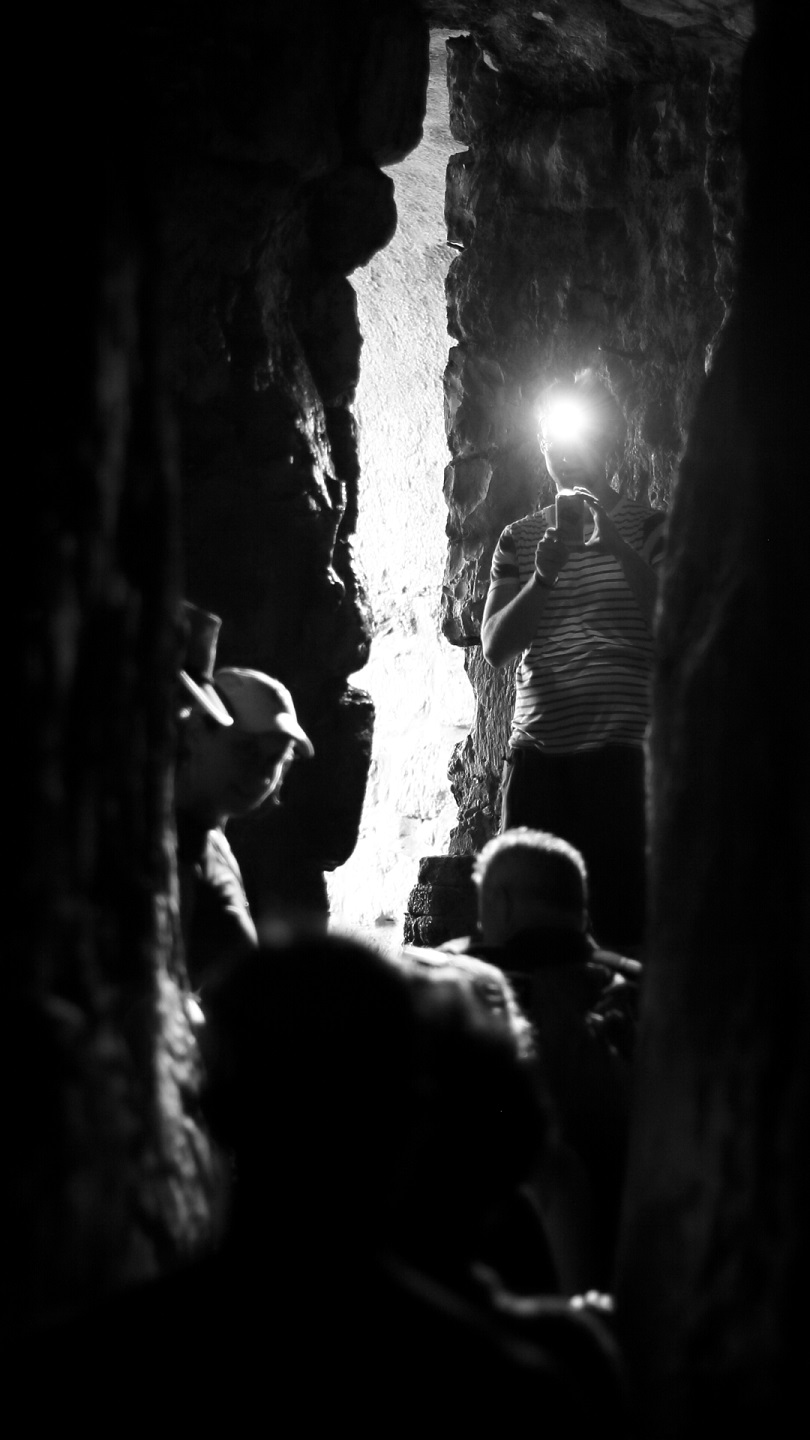
[Image: the light at the end of Hezekiah’s Tunnel. Allen Browne, 2014]

Hear the Prophets in their setting, and we see how the promises of God restoring his reign find their Yes in Christ. That’s how they apply to us.

The sheer size of the Major Prophets can feel daunting. This post is a high-level drone shot of the Book of Isaiah. He was called to proclaim God’s throne as the kingdom fell apart.

Continue reading “An overview of Isaiah”

When God called Isaiah (Isaiah 6)

Isaiah 6 is a great intro on how to read the Prophets. God explains what a prophet is and what a prophet does.

To discover what a prophet is, chat to one. How were they called? What was God calling them to do?

Isaiah gives us that conversation. It all started with the death of the Davidic king who had reigned well for 50 years (2 Chronicles 26). What would happen now?

Isaiah 6:1 (NIV)
In the year that King Uzziah died, I saw the Lord, high and exalted, seated on a throne; and the train of his robe filled the temple.

Continue reading “When God called Isaiah (Isaiah 6)”

How do the Prophets apply to Christ?

Eschatology — the study of “last things” — is all about how God’s promises come together in the end.

Maybe we should call it Yeschatology — the study of how God’s promises find their Yes in the Messiah. For all the promises of God find their Yes in him (2 Corinthians 1:20).

So how do all the promises God delivered through the prophets find their Yes in the Messiah? Ah, that’s the central story of the Bible. That’s how the Prophets apply to Christ.

Continue reading “How do the Prophets apply to Christ?”

How to approach the Prophets

Know the setting for each Old Testament Prophet? Now you do.

The Prophets (Isaiah – Malachi) are some of the most fascinating and least understood books of the Old Testament. In this series, we’ll give some insight into how to approach them, and provide some context for listening to Isaiah, Jeremiah, Ezekiel and the Minor Prophets. We’ll draw some conclusions about how they apply to us, and how they are fulfilled in Christ.

This introductory post covers how to approach the prophets. What is a prophet? How do we know what context they were addressing?

Continue reading “How to approach the Prophets”

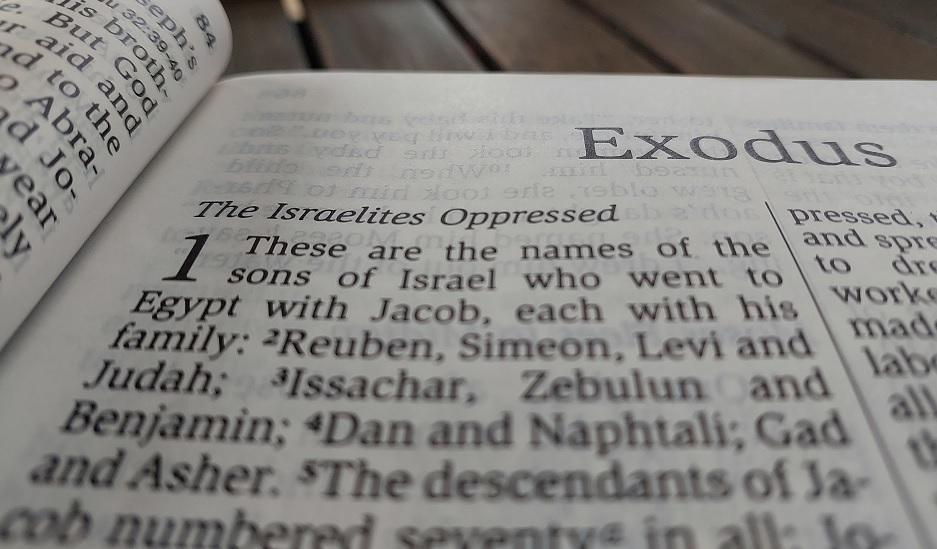
Formed in God’s story: Exodus

[Updated 2023-05-05: Podcasts added]

God desires to rescue his earthly realm from the powers that oppress us because of lust for power. Pharaoh is the example in Exodus. God saves the descendants of Jacob, forming them in a nation to show the other nations what God intends for us all: how it works when we live under his wise and caring leadership.

But not long after his people agreed to live in covenant relationship with their heavenly sovereign, the whole relationship was compromised by their unfaithfulness. That’s when they discovered the faithfulness of God: his persistent, caring, uncompromising faithfulness kept on rescuing them.

Eventually they provided the holy space for God to live among them and lead them. The final chapter of Exodus celebrates God’s glorious presence as he leads the people who recognize his kingship.

It’s how the world should always have been: God living among us and leading us.

Continue reading “Formed in God’s story: Exodus”

Formed in God’s story: Genesis

Update 2032-04-29: podcasts added.

If you’ve been around church for any time, you’ve heard of Adam and Eve, Cain and Abel, Noah and the flood, Abraham and Sarah, Jacob and his sons. You’ve probably heard debates about creation and evolution. You know about the snake and the fall. You may have heard of Nimrod or the Nephilim, or compared our time to the days of Noah.

These topics are in Genesis, but they are not the message of the book. Why was Genesis written? What is the theme at the core of the book? What is this book doing at the start of the Bible’s narrative?

Genesis is far more than a collection of fascinating stories. There’s something grander going on, a narrative that is greater than the sum of its parts.

So what is it? How does the story work, and where is it going? Here’s the macro story, the big picture of how the story flows in Genesis, what it says about God and us, and how this draws us into the whole Bible narrative:

Continue reading “Formed in God’s story: Genesis”

Should the faithful fight evil? (Habakkuk 2:4)

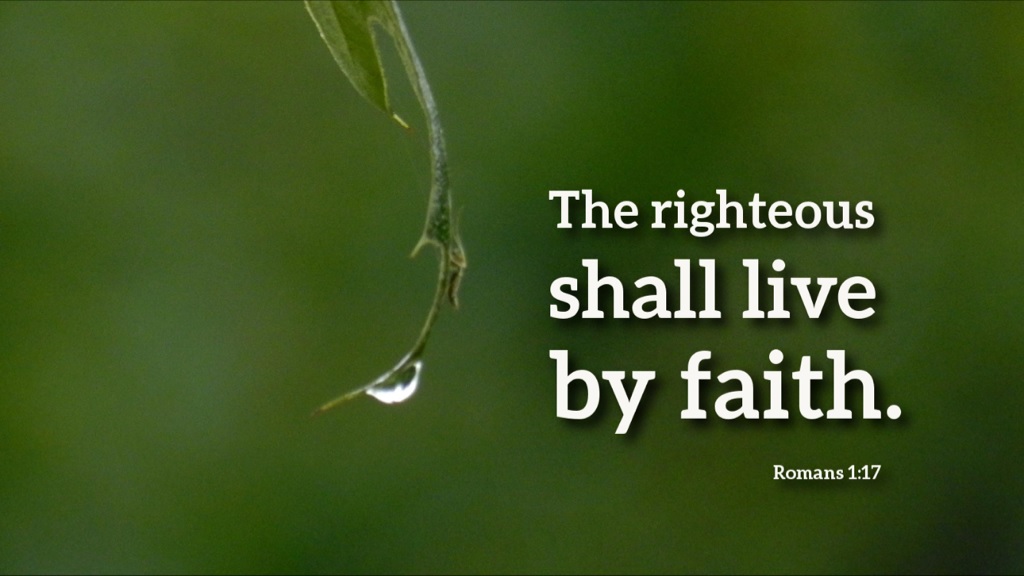
How does God fulfil his promise that the righteous will live by faith?

Should good people stand up against the forces of evil in our world, so the whole thing doesn’t go down the drain? You’ve heard the proverb: All that is necessary for the triumph of evil is for good men to do nothing.

If we were looking to good men to save us, that approach might make sense. Habakkuk wasn’t. He was looking for God to save. But he didn’t see God intervening. We could summarize his complaint as: All that is necessary for the triumph of evil is for a good God to do nothing.

God gave Habakkuk a lifeline. God does not act as we expect, but he is in charge of history and this is his promise: those who do right [even in the face of all the evil] will not die out; they will live by their faith(fulness).

The New Testament relates this promise to the gospel. In Romans and Galatians, Paul quotes Habakkuk 2:4 to support his teaching that God’s goodness saves those who trust him. Before we discuss faith from a Christian perspective (a future post), we need to hear Habakkuk’s message in his context.

Habakkuk’s book is a two-sided conversation: the prophet’s concern, and God’s response.

Open Habakkuk.

Continue reading “Should the faithful fight evil? (Habakkuk 2:4)”

David’s final Psalm: keywords for theology (145:17-21)

The righteousness of God, calling on the name of the Lord, salvation and judgement — we hear all these words on the messiah’s lips in Psalm 145.

New Testament theology begins in the Old, where God is revealed as the heavenly sovereign who faithfully loves his people and his earthly realm. So when the OT uses phrases that are crucial to Christian theology, they’re the seeds of what God was planting. The OT provides another dimension of insight into what those phrases mean for us.

Four of those phrases turn up on the lips of the messiah in Psalm 145. We’ve seen how the Davidic king announced the kingdom of God (145:1–8) and extended it beyond Israel to all people (145:9–16). Then he makes four statements about the character of God, statements that brilliantly illuminate the theology (words about God) in the Gospels and apostolic letters:

This Psalm is not quoted in the NT, but the messianic voice provides background for the hope these keywords hold as we read them in the NT.

Continue reading “David’s final Psalm: keywords for theology (145:17-21)”

David’s final Psalm: restored world (145:9–16)

Restoring a nation is marvellous news (Psalm 145:1–8), but in verses 9–16 the messiah goes on to extend God’s kingdom to all humanity.

Open Psalm 145:9-16.

We’re hearing the messiah’s voice in the final Davidic psalm. In the first eight verses he led his people to honour their heavenly king who (prophetically speaking) restored them as his kingdom. They celebrate God’s majesty and faithful character. What could be better?

Something extraordinary happens when we reach the heart of the psalm. The Davidic leader expands their vision of God’s kingship — beyond their nation, to all people:

Psalm 145 9 The Lord is good to all; he has compassion on all he has made. 10 All your works praise you, Lord12 so all people may know of your acts … 13 through all generations. 14 The Lord upholds all who fall and lifts up all who are bowed down. 15 The eyes of all look to you … 16 every living thing. 17 The Lord is righteous in all his ways, faithful in all he does. … 20 The Lord watches over all who love him but all the wicked he will destroy. … 21 Let every creature praise his holy name for all time.

Continue reading “David’s final Psalm: restored world (145:9–16)”

David’s final Psalm: restored nation (145:1–8)

In the last Psalm of David, we hear the messiah’s voice declaring the restoration of God’s reign.

There’s nothing like Psalm 145, titled Praise; of David. No other psalm is called praise (tehil·lāh). This is the ultimate Davidic psalm in the Psalter.

Set among post-exile psalms, Psalm 145 is the voice of the David to come, the anticipated king who would restore God’s reign. That’s why it’s the most quoted psalm in the Jewish prayer book. It was referring to the world to come (Talmud, b Ber. 4B).

Christians believe the long-awaited Davidic king has come and brought his people back into God’s reign. He called it the kingdom of God.  So does this Psalm. His kingship extends to all the people. The Psalm says that too. Phrases foundational for Christian theology are on the lips of the Davidic king in this Psalm.

Continue reading “David’s final Psalm: restored nation (145:1–8)”

Reading Psalms in context

Each Psalm is set in Israel’s story, within the macro-story of God’s kingdom.

I love the Psalms. They help me voice my hopes and struggles to God. It’s so personal: the word I is there some 800 times, about 5 times a Psalm.

But there’s a bigger story in the Psalms too. I miss that global scope of God’s activity if I treat every I as me, the reader. The very first I in Psalms is God, and he says, I have installed my king on Zion, my holy mountain (2:6).

In the Psalms we discover ourselves as the human community in God’s care. We present our struggles to the sovereign Lord who leads us. We celebrate his power over us, his enduring sovereign authority. At the heart of the Psalms is the declaration, The Lord reigns!

Continue reading “Reading Psalms in context”