Refugees

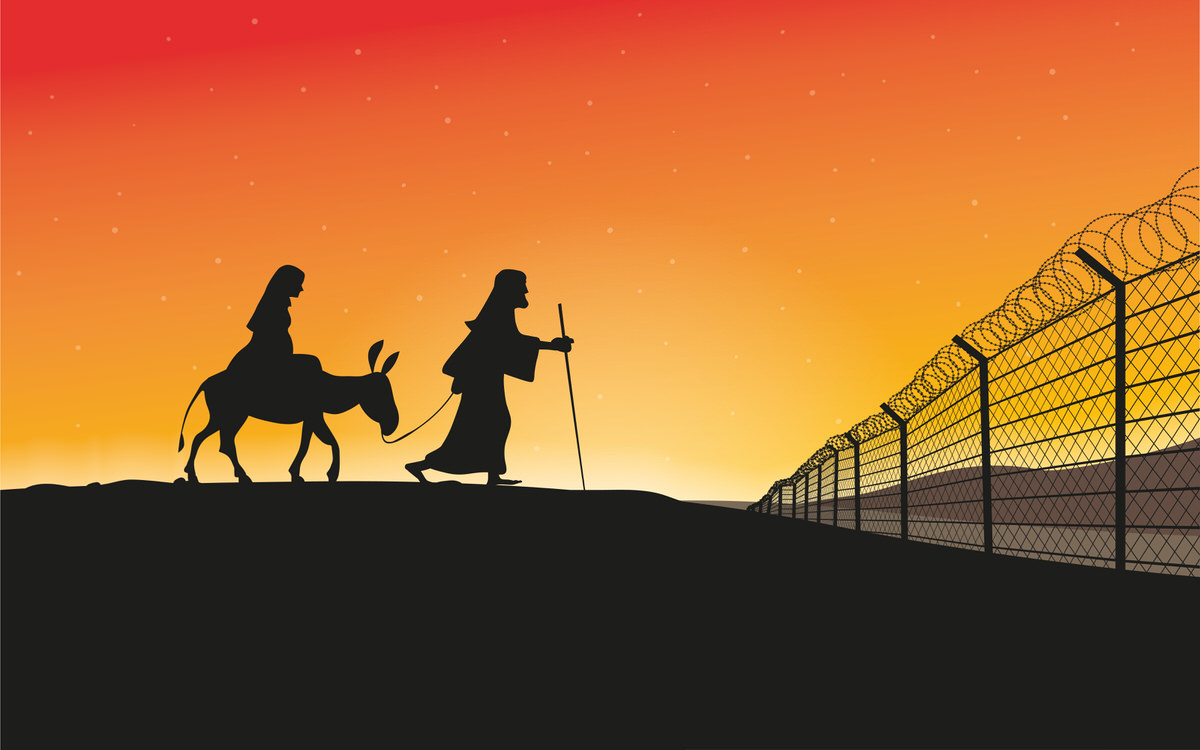
Border protection is a big deal for both sides of politics in Australia. Stop the boats. Turn back the people-smugglers who put lives at risk with their leaky boats. Block the undesirables who don’t share our values. Don’t let the queue-jumpers in.

For more than a decade, we’ve heard these mantras from our rulers. Their polling assures them that the hard-line approach wins votes.

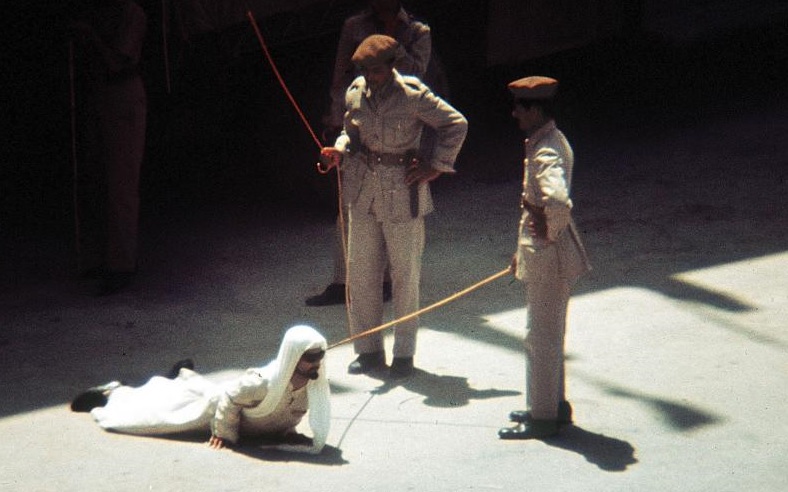
At times we’ve been shocked to see images of the off-shore detention centres. We wonder if we’re justified to lock people up for years as a deterrent. We’re concerned when they’re reduced to self-harm.

Now, don’t get scared about where this is going. I’m not suggesting we all march on Canberra to demand a change of policy. I’m not writing to Canberra. I’m writing to you, a follower of Jesus. I want you to consider how Jesus sees these issues. Surely that’s what defines how we respond.

Continue reading “Refugees”

Activism: is it kingdom work?

Should Christians be activists?

Good news! Jesus is the Christ. That means he’s chosen by heaven and anointed with power to rule the earth. He is restoring heaven’s government to a world that has been terrorized by competing claims and civil war ever since humans tried to take God’s power into their own hands.

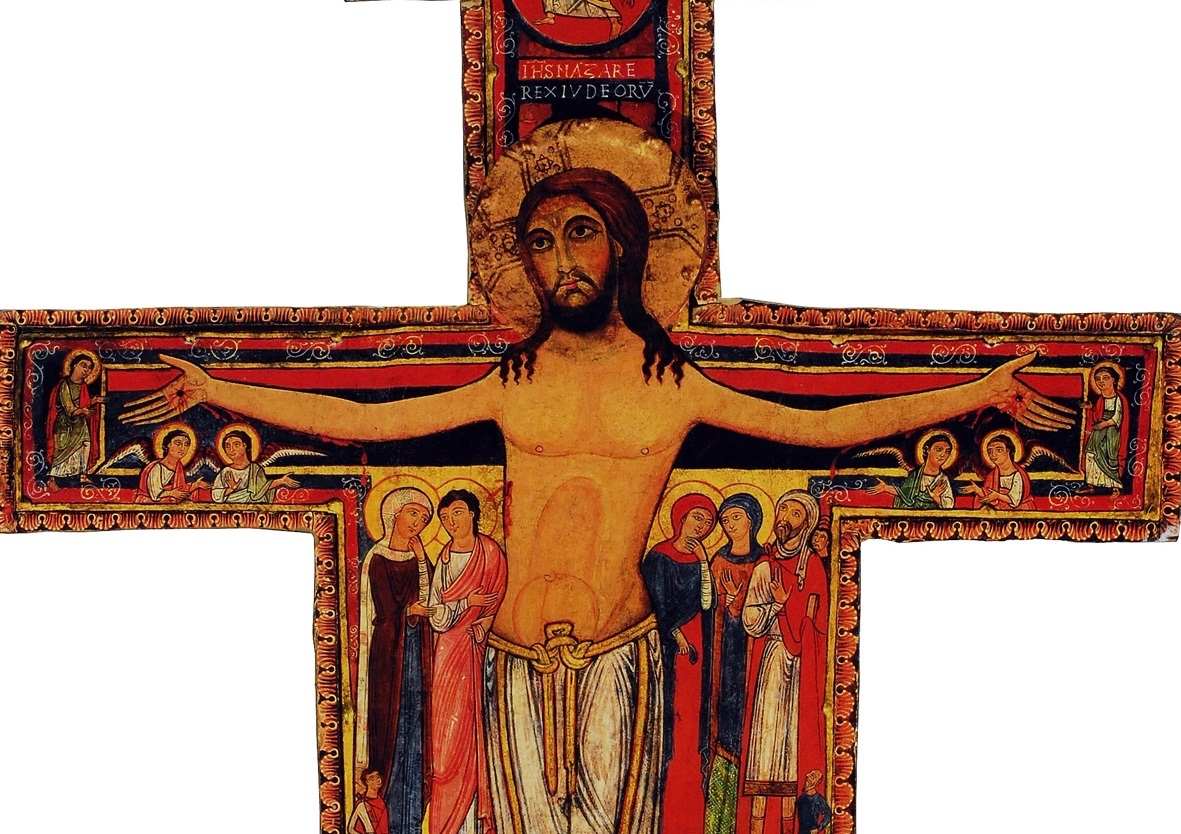
This is good news for the world because it’s how the violent hostilities are replaced by divine peace. Peace can never be achieved through force. The cross is the ultimate paradox for solving violence. The all-powerful God placed himself at the centre of the battle for power, giving himself for his people, reconciling us to himself and to one another.

This is how hostilities end. The cross is God confronting human power claims. It’s how God restores peace, by uniting us under his governance (Ephesians 2:14-17).

What does that mean for earthly kingdoms?

Continue reading “Activism: is it kingdom work?”

Earth as God’s kingdom

When God is king, earth is his kingdom.

As I write, I’m looking into a green forest, with an ocean in the distance. I’m on holidays, enjoying my children and grandchildren. It feels like the kind of wild natural extravagance and intimate communal joy God always intended for his earthly realm.

Continue reading “Earth as God’s kingdom”

God is king

Your relationship with God changes when you see God as king.

Theology might be the most difficult discipline: the subject is truly infinite. There are so many things you could say about God that it’s hard to know where to start.

Jesus said many things about God, but his Father’s kingship was at the heart of his message. His sketched stories of life under God’s kingship, the kingdom of God. He healed people to bring God’s kingship close. He gave his life to break the power of evil and restore earth to God’s reign. The heavenly sovereign raised him up from death to the throne — all authority in heaven and on earth.

With laser precision, everything Jesus said and did was focused on a singular truth: God is king. Continue reading “God is king”

What difference does the kingdom make?

Ever notice how the answers you receive in life depend on the questions you ask? On this blog, the questions we’re asking are not the typical ones you find in systematic theology. We’re asking why the kingdom of God was the centre of Jesus’ thought and practice. We’re asking what difference it would make if we made the kingdom of God the centre of our thought and practice too.

This year, I want to start addressing the “So what?” question. What difference does this perspective make? The difference is huge: the kingdom reframes everything!

God, humanity, Christ, sin and evil, atonement, the world, the church, salvation and restoration, evangelism, partnering with Holy Spirit, and the ultimate goal (end times) — everything looks different when viewed through the lens of the kingdom of God.

Worth exploring? Buckle up and hang on: this is where it gets interesting!

Continue reading “What difference does the kingdom make?”

When the church doesn’t get the kingdom

Not sure what Jesus meant by his kingdom? We end up filling the gaps with things from our own culture.

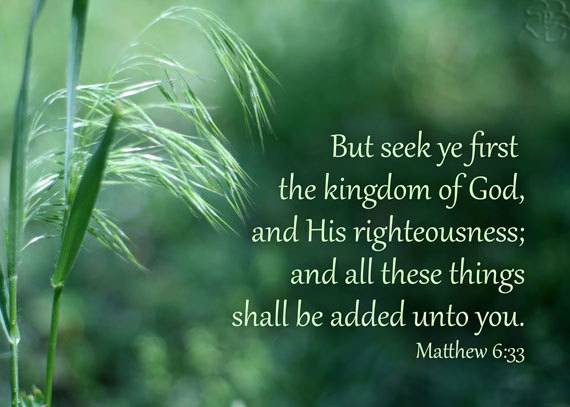
Yesterday I visited another church and heard a nationally renowned speaker presenting via video. Among other texts, he used this one where Jesus defined our priority: Seek first his kingdom and his righteousness, and all these things will be given to you as well (Matthew 6:33).

The speaker did a good job of setting this verse in context. He explained that seeking God means much more than putting God first, and then adding other things to the same queue.

I was intrigued: his explanation simply ignored the kingdom bit. It was as if he thought Jesus had said, “Seek God first.” Continue reading “When the church doesn’t get the kingdom”

Fresh language for Jesus’ kingdom

With other commitments, I won’t be posting much in December/January. Rest assured, I’ll still be pursuing my life-goal, seeking his kingdom.

The more I pursue this perspective, the more definitive it becomes as the framework that makes sense of everything. The whole Bible narrative fits together as the integrated, laser-focused story of God’s faithful kingship over the earth. We need fresh language to express this, language that communicates in our culture.

Continue reading “Fresh language for Jesus’ kingdom”

Significant kingdom

A blogger who goes by the name T just posted this:

“The topic of the kingdom or reign of God was so central, so thematic to Jesus’ own teaching and preaching that it is fair to say that even when he wasn’t talking about it explicitly, he was still talking about it.”

That shook me. And puzzled me. And motivated me …

After more sermons than I could count, after thousand upon thousands of Christian bible classes, I was largely ignorant about the main subject of Jesus’ teaching and preaching. Worse, I was far from alone in this.

Continue reading “Significant kingdom”

The key posts of 2016/2017

Want a summary of what we’ve said on the kingdom of God? Here are the links to the key posts. (Links open in a new window/tab.)

Douglas Adams was right. 42 might be the answer to life, the universe, and everything, but it makes no sense if you don’t know the question.

After decades of following Jesus, I was shocked to realize I didn’t understand Jesus in the way he understood himself and his mission. His identity was son of man. His work was kingdom of God. Son of man, doing kingdom of God stuff? Have you any idea what he meant?

I think the most important question in life is who Jesus was and what he was doing. That’s why I’m devoting my life to this question:

What difference would it make to understand Jesus in the terms he used to describe himself (his identity and mission)?

According to Jesus, seeking the kingdom is top priority (Matthew 6:33). It’s why we launched this blog. Does it inspire you? Continue reading “The key posts of 2016/2017”

God’s kingdom and salvation

How does the kingdom of God relate to the message of salvation?

In my student days, I stood at the edge of the Grand Canyon. It’s embarrassing, but I remember saying, “That’s not a canyon; that’s a huge cliff.” I expected to see another cliff on the other side of the canyon. Eventually, somebody pointed it out: “See over there, 18 miles in the distance, that’s the other side.” I had totally failed to understand the scale of the canyon.

Salvation can be a bit like that. It’s so much more than we take in at first. For 500 years, we’ve stressed that it’s all of grace, nothing of human merit: by grace alone, by faith alone. We know it so well:

Ephesians 2:8–9 (NIV)
For it is by grace you have been saved, through faith — and this is not from yourselves, it is the gift of God — not by works, so that no one can boast.

How does salvation relate to the kingdom? That’s an important question if we are to understand the gospel Jesus preached, i.e. the good news of the kingdom (Matthew 4:23; 9:35; 24:14; Mark 1:15; Luke 4:43; 8:1; 16:16). Continue reading “God’s kingdom and salvation”

God’s kingdom and Israel today

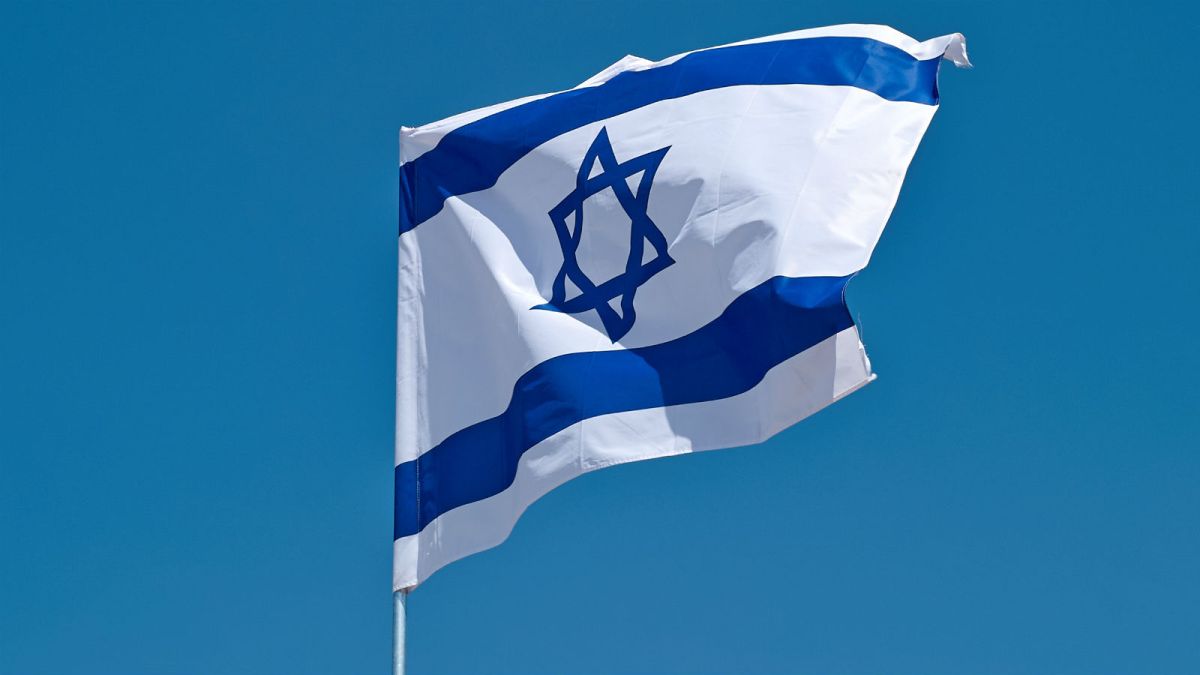
How does the kingdom of God relate to the nation of Israel today?

Israel did not exist as an independent nation for more than 2,500 years (586 BC – AD 1947). What is the significance of Israel’s rebirth 70 years ago?

For many Jews, it means coming home to the home they never had. Some see it as the fulfilment (or re-fulfilment) of God’s promise to resurrect their nation (Ezekiel 37:14).

Some Christians also see Israel’s return as a significant fulfilment of Old Testament prophecy in our time. Is this so? To answer that question, we need to review the crucial role Israel played in the kingdom of God narrative. Continue reading “God’s kingdom and Israel today”

God’s kingdom and social justice

Social justice isn’t an angry fist; it’s a cross, bearing the injustice away.

Imagine a world without gender conflict, where males and females value each other as persons. Imagine a world where no one no one dies of preventable diseases, where no one starves while others horde wealth. Imagine a world without racism or slavery or war, a world where no leader forces themselves on people. Imagine a world where people shun violence and retribution, calling on God to bring justice instead.

Lofty ideals? It’s our future. This is the world we will know when it runs as our heavenly sovereign intends — as the kingdom of God. The big question is how do we get there?

Continue reading “God’s kingdom and social justice”

The kingdom and spiritual warfare

How can love survive against evil when evil has the weapons to destroy God’s people?

Spiritual warfare is a kingdom matter. Ever since the coup in Eden’s Garden, earth has been at war with our heavenly sovereign. Unlike the evil emperor in Star Wars, God did not build a death star to destroy the planet and its rebels. Instead he called Abraham away from Babel, to build a family that would bring the world back into his care.

Predictably, Abraham’s family were enslaved by this world’s rulers. With ten “mighty acts” God demonstrated Pharaoh was a fraud. Egypt’s king could not even stop natural invaders like frogs, flies, or gnats. Pharaoh could not protect the families of Egypt, not even his own family, not even Egypt’s heir.

Pharaoh agreed to let God’s people go, but he still had the forces to recapture them. That’s the big question: How can love survive against evil when evil has the weapons to destroy God’s people? Continue reading “The kingdom and spiritual warfare”

God’s kingdom and the millennium

How is the kingdom of God connected to the 1000-year reign in Revelation 20? Does it help to ask who this vision is about, rather than when?

What comes to mind first when you hear the phrase kingdom of God? For some, it’s a future era of global peace with Christ reigning for 1000 years. Continue reading “God’s kingdom and the millennium”

God’s kingdom and politics

What’s the relationship between the kingdom of God and the power of the state?

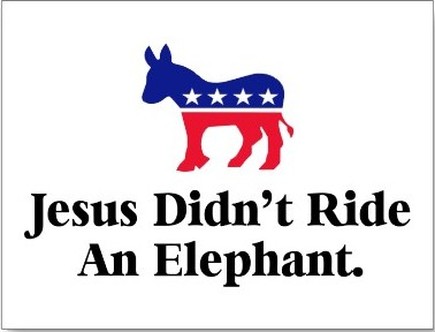
Mixing religion and politics could start an argument, but we can’t avoid the gnarly question.

How should Christians interact with the power of the country we live in? Should we be politicians, law makers, advisors, ambassadors, judges? Should we lobby politicians over issues like same-sex marriage? Should we oppose institutional injustice like incarcerating people on Manus Island?

Should churches promote and fund activist agendas to challenge government policy? Or should we do those things only as individual citizens? Or is this whole thing diverting us from our calling? Continue reading “God’s kingdom and politics”

The kingdom and personal power: more than conquerors?

Does “the kingdom of God” mean I have a life of health and prosperity because I’m reigning with Christ?

Following E. W. Kenyon, Kenneth Copeland and others proclaimed that God has given the kingdom to his little flock (Luke 12:32). We are seated with Christ on the throne, with everything under our feet (Ephesians 1:20-23). If we maintain this positive confession, nothing can touch us. Sickness is gone: it was part of the curse from which we’re redeemed (Galatians 3:13). Wealth is guaranteed: it all belongs to our Father who is pleased to give it to his children. Because Jesus conquered, we’re more than conquerors (Romans 8:37).

Is this what Jesus meant by the kingdom of God? Continue reading “The kingdom and personal power: more than conquerors?”

The kingdom and personal evangelism

How do we present “the good news of the kingdom”?

I grew up in a church were we didn’t talk much about the kingdom of God. If we did, we thought of it as something internal, like putting Jesus on the throne of my heart. We asked individuals to make that decision, to pray the sinner’s prayer by which they would be born again. Isn’t that how someone enters the kingdom? Continue reading “The kingdom and personal evangelism”

The kingdom and prophetic engagement: speaking truth to power?

Does being the kingdom of God mean speaking out against abuses of power in the current political system?

Quick: give me a Bible verse on social justice. What comes to mind?

Continue reading “The kingdom and prophetic engagement: speaking truth to power?”