The intriguing twist in Matthew’s Gospel is watching the king of Israel become king of the world.
Matthew’s opening situates Jesus in Israel’s story. The anointed Davidic ruler (1:1) is born into the derailed story of Israel’s kings (1:16-17), to save his people and fulfil what God decreed (1:21-23).
In Matthew’s closing paragraph, this king has authority to reign over the whole earth with heaven’s power. The nations are learning to live under his command, in his present and enduring reign (28:18-20).
Matthew 8:5–13 (NIV) 5 When Jesus had entered Capernaum, a centurion came to him, asking for help. 6 “Lord,” he said, “my servant lies at home paralyzed, suffering terribly.”
7 Jesus said to him, “Shall I come and heal him?”
8 The centurion replied, “Lord, I do not deserve to have you come under my roof. But just say the word, and my servant will be healed. 9 For I myself am a man under authority, with soldiers under me. I tell this one, ‘Go,’ and he goes; and that one, ‘Come,’ and he comes. I say to my servant, ‘Do this,’ and he does it.”
10 When Jesus heard this, he was amazed and said to those following him, “Truly I tell you, I have not found anyone in Israel with such great faith. 11 I say to you that many will come from the east and the west, and will take their places at the feast with Abraham, Isaac and Jacob in the kingdom of heaven. 12 But the subjects of the kingdom will be thrown outside, into the darkness, where there will be weeping and gnashing of teeth.”
13 Then Jesus said to the centurion, “Go! Let it be done just as you believed it would.” And his servant was healed at that moment.
Out of the abundance of the heart, the mouth tweets. (@LPtrckBrwn)
I grew up in a family with rules to keep us safe. To keep us from addictions, we didn’t drink, smoke, or gamble. To keep us from sexual temptation, we didn’t dance or go to movies. We were to read our Bibles and pray every day, with no work or sport on Sundays. To be holy meant to be separate from “the world.”
To be honest, I didn’t feel I was missing out. It was a rural setting, already socially isolated. It was a happy home, with parents who genuinely loved God and lived that love in our family. I wouldn’t trade it for the world.
But as I grew up, I began to understand that, for adults, our rules didn’t live up to what they advertised. The rules tried to shelter us from outside influences, when the problem is within.
I’m blown away by the relational intelligence Jesus used in managing people, even those who threatened his leadership. He’d upset some locals through table fellowship with sinners, but a whole new threat level arrives when Pharisees and Bible teachers from Jerusalem come to undermine him (Matthew 15:1-2). To anyone who knows where the story is headed, this feels ominous.
When Jesus delivered the Sermon on the Mount, the crowds were amazed at his authority. What authority? What was the king expecting of his people? What is he expecting of us?
This podcast (25-minutes) covers the final statements of his most famous sermon, introduced in last week’s podcast.
Matthew 7:21–29 (NIV) 21 “Not everyone who says to me, ‘Lord, Lord,’ will enter the kingdom of heaven, but only the one who does the will of my Father who is in heaven. 22 Many will say to me on that day, ‘Lord, Lord, did we not prophesy in your name and in your name drive out demons and in your name perform many miracles?’ 23 Then I will tell them plainly, ‘I never knew you. Away from me, you evildoers!’
24 “Therefore everyone who hears these words of mine and puts them into practice is like a wise man who built his house on the rock. 25 The rain came down, the streams rose, and the winds blew and beat against that house; yet it did not fall, because it had its foundation on the rock. 26 But everyone who hears these words of mine and does not put them into practice is like a foolish man who built his house on sand. 27 The rain came down, the streams rose, and the winds blew and beat against that house, and it fell with a great crash.”
28 When Jesus had finished saying these things, the crowds were amazed at his teaching, 29 because he taught as one who had authority, and not as their teachers of the law.
There is a king who frees us from superstitious rituals and enslaving fears.
“Can we shower yet, or do we just keep washing our hands?” We need humour this year. We fear an unhealthy person infecting our community, and fear can keep us from community.
Only in the last 130 years have we seen germs, but people back in Bible times knew it was healthy to wash. Washing was already a symbol of ritual cleansing in the first books of the Bible (Torah).
Ritual washing became a point of contention between Jesus and the leaders of his culture:
Jesus’ kingship is Matthew’s dominant theme. From the introductory sentence (“anointed ruler, son of David”) to the culminating declaration (“all authority in heaven and earth”), the kingdom of God is here because the king is here.
Matthew contrasts the world’s true king with our existing rulers. Herod built fortresses to defend his kingship and armies to enforce his decrees. He used prisons to silence critics like John the Baptist. Yet, Matthew shows remarkable empathy for Herod: Herod didn’t want to kill John; he was trapped by forces beyond himself (Matthew 14:9).
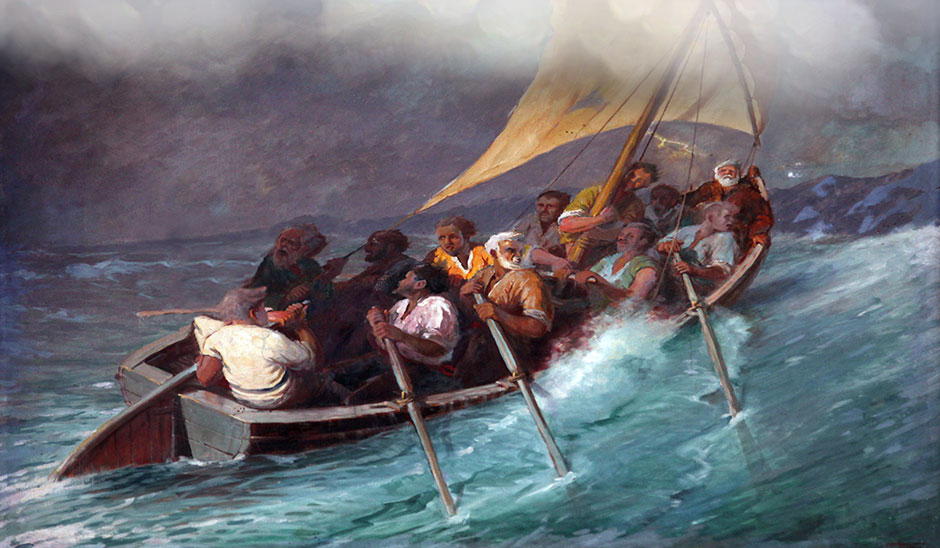
I love the way Matthew juxtaposes the earthly ruler’s party for himself in his palace (14:1-12) with the heavenly king’s provision for his people in the wilderness (14:13-21). Jesus is the Son who listens to his Father (14:23). That’s why he has authority to calm not only the earth but the unruly sea (14:24-32). His followers see him as the Son with the eternal sovereign’s authority (14:33).
The crowds also recognized Jesus as he returned to Gennesaret on the northwest shore of Galilee. The men in charge of this town sent messengers to notify everyone of his arrival. They honoured him as a person of significance, the reaction appropriate for a royal visitor or a representative of God.
Who benefits from Jesus’ kingship? (No, it’s not “everyone.”)
Jesus launched his most famous sermon with promises of blessing. Who were they for? What was he promising?
Was he telling those of us who are privileged and blessed how to be our best selves, how to be more blessing? Or was he promising that the world under his kingship would be different, that those who had missed out would finally be blessed?
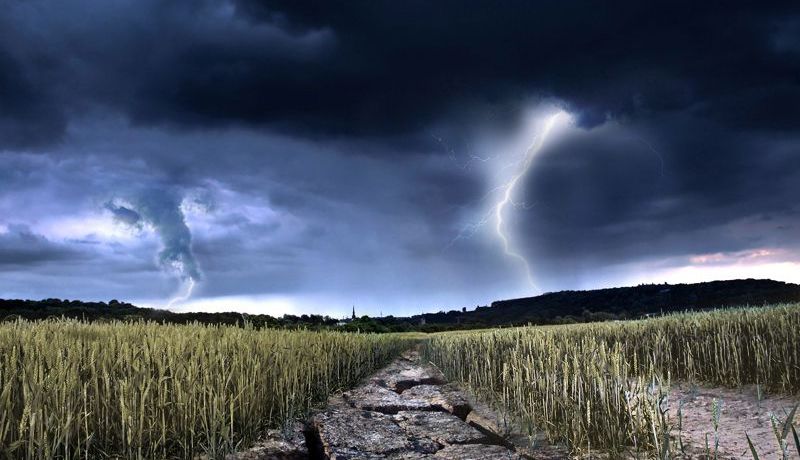
Some disasters are manmade. We hurt each other in our families, businesses, and communities. We’re harmed by war, racism, the injustices of power. We also face disasters beyond human control: cyclones, earthquakes, pandemics. Which kind does Jesus save us from?
It was the perfect site for a wedding: a quaint old church, perhaps the oldest in our state. Two nights before, the couple arrived for a practice. The chapel was open but unattended, so they went in and began arranging things. They didn’t know what the baptismal font was, so they were just moving it out of the way when the aged priest stormed in. To this day I can still hear the angry crescendo of his livid voice.
A priest is a representative of God. This priest was the image of an angry God waiting in the wings for you to do something wrong so he could pounce. Is God like that?
The Bible does speak of God’s anger. This week a small group leader asked about Ephesians 2:3b: Like the rest, we were by nature deserving of wrath. Is God angry with us?
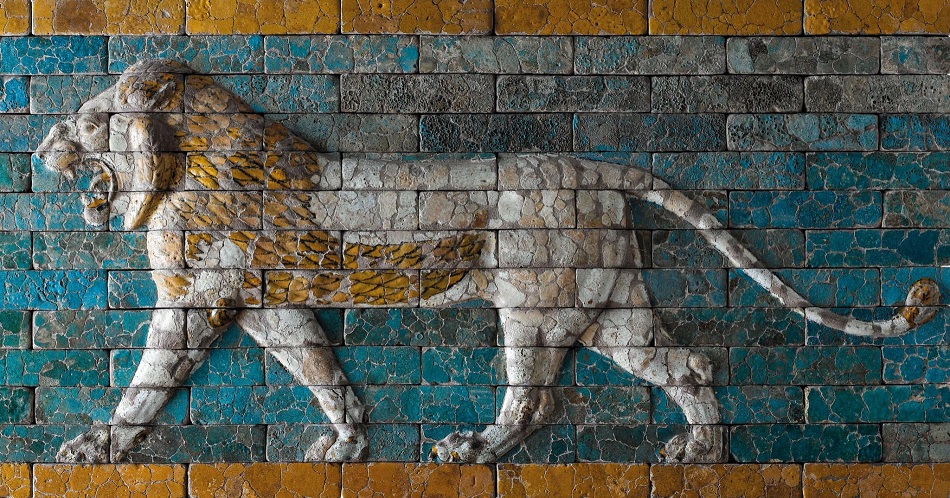
It could have been today’s news: Daniel describes superpowers mistreating people of Jewish ethnicity. But he saw a higher power running the world.
What is the message of the Book of Daniel? It’s not disconnected stories of lion’s dens and fiery furnaces. It’s not a mysterious code for dating the end of the world.
Daniel wrestles with, “Who runs the world?” This was no theoretical question, given that Babylon had taken over Jerusalem. Could the kingdoms of this world implement God’s rule? Or would the restoration of God’s reign require divine intervention? And how do God’s people cope in dark times?
This podcast (32 minutes) surveys the message of Daniel — the restoration of God’s kingship in a world gone wrong.
Where do you even start with a book like this? Look for Jesus: it’s all about him.
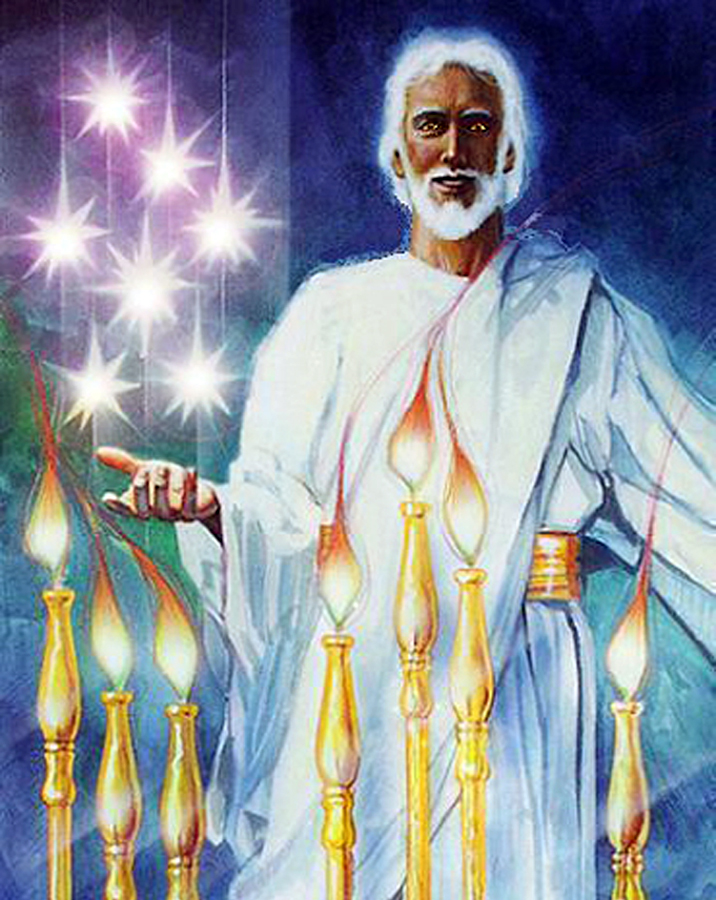
Revelation is the most puzzling and tantalizing book of the Bible. What’s it about?
This 30-minute podcast explains how John’s visions are about Jesus. The whole sweep of the Bible’s narrative comes together in this final episode, in the person who is good news for the world.
How did the patriarch Joseph contribute to the story of the kingdom of God? This podcast (20 minutes) shows us how to hear the story of Joseph as the story of God.
We’ve now surveyed Genesis in four podcasts. The previous three:
If Jewish people find their identity in Jacob, why do Christians focus on Abraham?
Conversations make you think, especially conversations with people who see things differently to you.
Last year, I was chatting with a Rabbi about Abraham, Isaac, and Jacob. She knew Christians emphasize Abraham, but for Jewish people the emphasis falls on the third person of the patriarchal triad. Jewish identity is children of Israel — literally, descendants of Jacob. The man Jacob was Israel in the first generation.
That’s why the name Jacob regularly referred to the nation of Israel in later generations, especially in poetic passages. The nation is not Abraham, but it is Jacob. Examples: Psalm 53 6 … let Jacob rejoice and Israel be glad! Isaiah 43 1… he who created you, Jacob, he who formed you, Israel …
In the Psalms and latter prophets (Psalms – Malachi), Abraham’s name appears only 11 times, while Jacob’s name appears 127 times. The nation’s identity was primarily in Jacob, not Abraham.
This podcast (27 minutes) discusses the significance of Jacob for the kingdom of God.
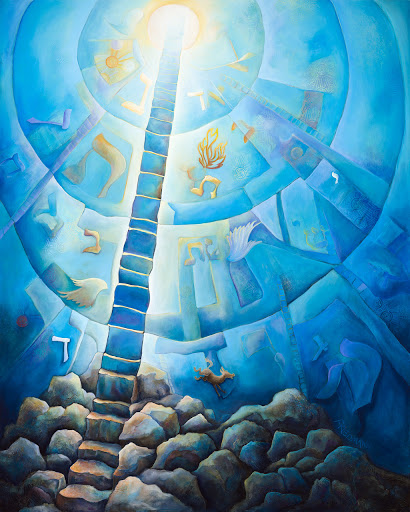
Jacob was Israel in the first generation. His life story is told in Genesis 25–36 in a way that his descendants could relate to, for the promises he received were being fulfilled through them.
Ephesians closes with two brief blessings that pull together the main themes of the letter. Peace and grace were common greetings in both the Jewish and Asian communities, but these words are much more than well-wishes. The good news in this letter is the divine grace that brings peace to the world. Continue reading “Peace and grace: the greeting that can deliver (Ephesians 6:23-24)”
With no Fed Ex or postal service in the first century, letters like the one we’ve been reading (Ephesians) were carried by hand. That’s why we’re introduced to Tychicus, the courier tasked with personally delivering this letter. Continue reading “A courier for God’s house (Ephesians 6:21-22)”
Communication matters. Did you see Sam Mendes’ movie, 1917? Two soldiers were tasked with carrying a message across enemy lines, a message that could save the lives of many compatriots. Technology has come a long way in the last 100 years, but the movie reminds us how crucial communication is for saving lives. Continue reading “Staying in touch with our king (Ephesians 6:18-20)”
Abraham lived his entire life for the kingdom of God.
This podcast (28 minutes) surveys Genesis 12–25 as the foundational story of the kingdom of God.
God founded his human rescue project in Abraham and Sarah. They left the region of the Babel-builders to establish a nation under God — a representative kingdom of God among the nations. The obstacles they faced are the obstacles that threaten God’s kingdom project. They trusted God, even though restoring God’s kingdom would take many lifetimes.
When I first blogged these thoughts four years ago, it became my most popular post (downloaded more than 10,000 times). Enjoy this podcast version.
The gospel is the history-making proclamation that God’s chosen leader is running the world.
I can’t imagine what it might be like to live through a civil war, where brothers tear each other apart for power. “Civil war” is a euphemism: there’s nothing civil about war.
That’s why Christians must be so careful how we play out the biggest conflict of all time, the battle for who runs the planet. We have a gospel that proclaims the restoration of God’s reign (Ephesians 1:3-14), with God’s anointed on the throne (1:15-23). For the people who’ve been oppressed under evil, that’s liberating news (2:1-10), the end of conflict, the establishment of global peace in God’s Christ (2:11-22). Continue reading “Why doesn’t the Bible condemn bad rulers? (Ephesians 6:12)”











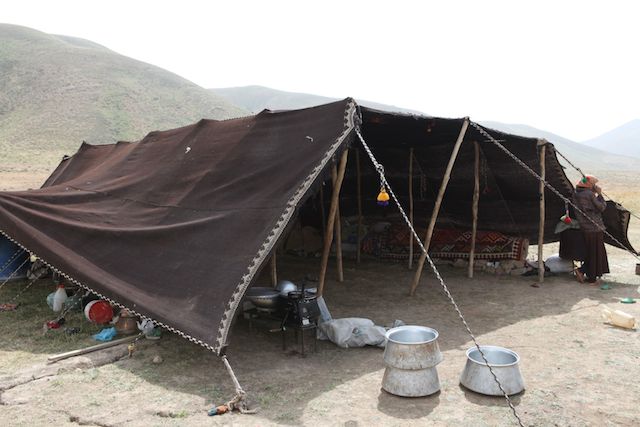

 Seeking the kingdom