Psalm 91: Trusting God’s protection

God saves those who trust him.

Psalm 91 is a psalm of trust. There’s only half a dozen of these, and all the others in Books 1 and 2 (Psalms 11, 16, 23, 62, 63).

Now David is no longer teaching his people to pray, “The Lord is my shepherd.” David is gone, leaving them under foreign powers (Psalm 89). Moses prays the Lord to take pity on his people (Psalm 90). Psalm 91 affirms they are still in God’s care. Even without David’s reign, the Lord reigns (Psalms 93:1; 95:3; 96:10; 97:1; 98:6; 99:1). They’re still a flock shepherded by the Lord (95:7; 100:3). That’s the context of this psalm of trust.

Psalm 91:1-2 (NIV)
1 Whoever dwells in the shelter of the Most High will rest in the shadow of the Almighty.
2 I will say of the Lord, “He is my refuge and my fortress, my God, in whom I trust.”

Continue reading “Psalm 91: Trusting God’s protection”

Psalm 89: The Lord’s reign through David has died

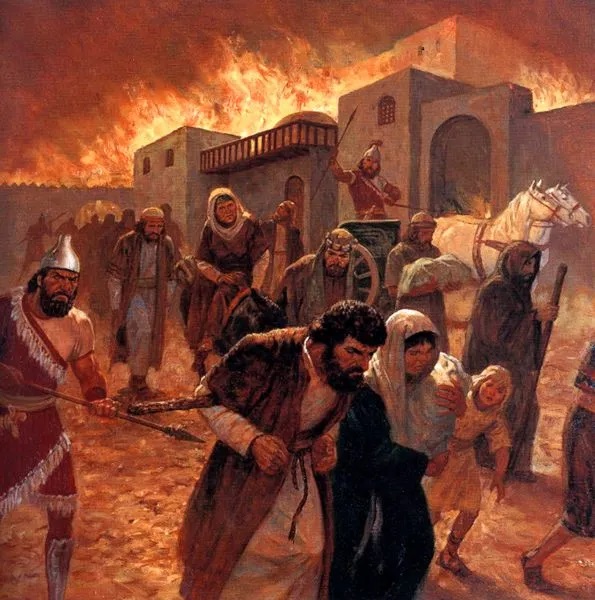
The final psalm in Book 3 is the low point of the Psalter. Jerusalem has fallen. Judah is captive to Babylon. There is no longer any nation to show the nations the wonder of belonging to God. The kingdom of God and the reign of David no longer exist.

Psalm 89 is attributed to Ethan the Ezrahite, but we don’t know who he was. He speaks for a people grappling with contradictory realities: God is faithful, but we’re not experiencing it.

Psalm 89 takes us up to the heights, and down to the depths. In summary:

Continue reading “Psalm 89: The Lord’s reign through David has died”

Psalm 80: Israel has fallen

How do you pray when everything falls apart?

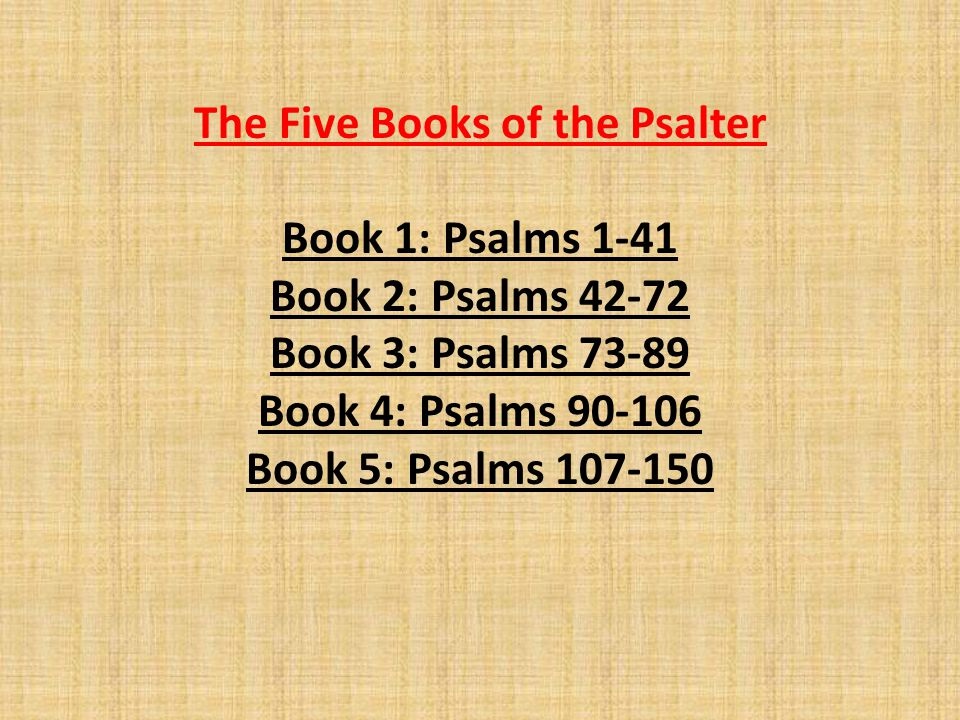
Books 1 and 2 of the Psalms focused on the reign of David and his sons (Psalms 1–72). Seeing the kingdom fall in Book 3 is heart-rending:

Psalm 79:1 O God, the nations have invaded your inheritance; they have defiled your holy temple, they have reduced Jerusalem to rubble.

The disintegration began when Solomon died and the kingdom split (1 Kings 12). Only Judah (the southern kingdom) retained the Davidic kingship and worshipped in Jerusalem. The northern tribes made Samaria their capital, crowning their own kings, setting up their own worship centres. Eventually, both kingdoms fell.

Psalm 80 responds to the fall of Israel to Assyria in 722 BC. Psalm 89 responds to the fall of Judah to Babylon in 586 BC. We’ll keep Psalm 89 for next time.

Continue reading “Psalm 80: Israel has fallen”

Psalm 72: Prayer for the king

How does Israel’s prayer for their king (Psalm 72) relate to us today?

As we saw in Psalm 48, Israel prayed to and honoured the Great King who lived in the temple they provided for him in the capital. In Psalm 72, God’s people pray for the king who mediates God’s reign to his nation.

These were the two ways Israel experienced the reign of their heavenly sovereign:

  • the temple was God’s house, with his throne (the ark) in his private chamber;
  • the king was God’s viceregent, the living expression of heaven’s reign on earth.

In Psalm 72 (the final one of Book 2) the kingship transitions from David to his son, as his people pray for his reign to endure forever.

First we’ll see what this meant for Israel, so we can understand what it means for us.

Continue reading “Psalm 72: Prayer for the king”

Psalm 48: The praise of Zion

What does “Zion” mean to you?

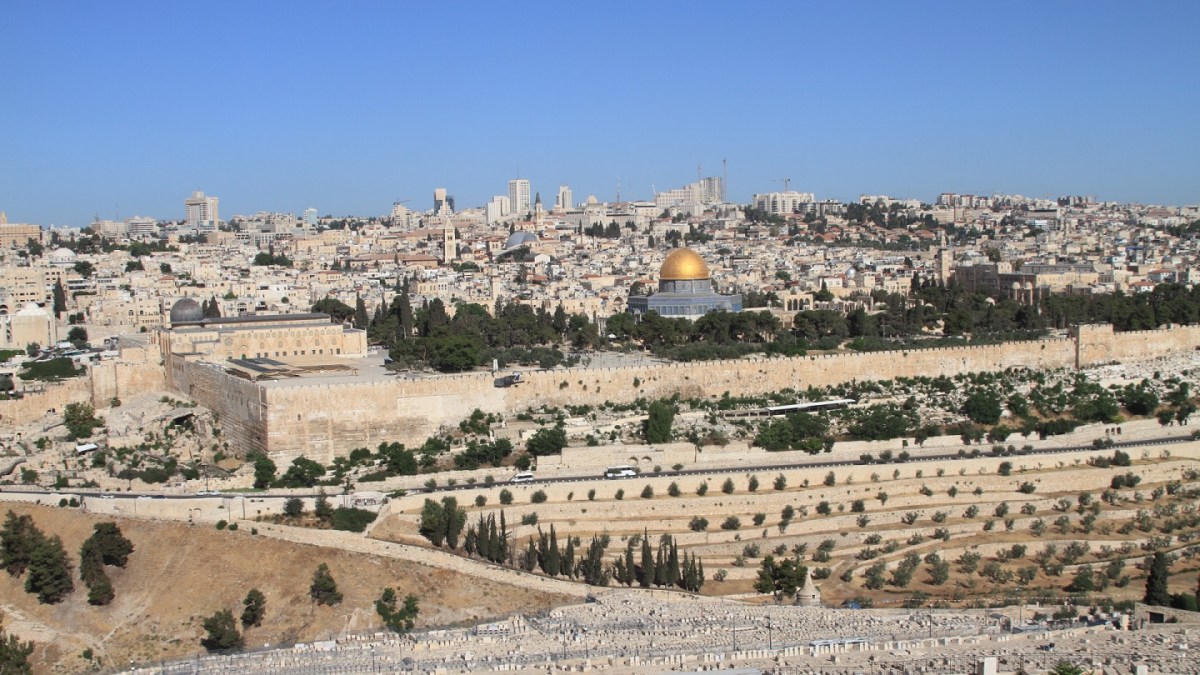
Psalm 48 is a song of praise, from the Korahites (Levites who assisted with worship). They celebrate Mount Zion, the hill in Jerusalem where God’s house was. We’ll begin by asking what this psalm meant to them, before we ask what it means for us.

For Israel

Continue reading “Psalm 48: The praise of Zion”

Everyone leading (podcast) (Isaiah 53)

What sort of leader is God? How does God’s leadership define the way we lead?

Is “mutual submission” an oxymoron? It’s not part of the political our commercial landscape. Influencers are people with followers, right? So where would we even look for such a radical model of leadership?

Continue reading “Everyone leading (podcast) (Isaiah 53)”

Psalm 22: David’s “defeat”

Update 2024-08-09: Added podcast on Psalm 22.

We saw in Psalm 3 that “of David” refers to the Davidic kings who were God’s anointed throughout the generations (not just the individual from the tenth century BC). Now we’re ready to approach Psalm 22.

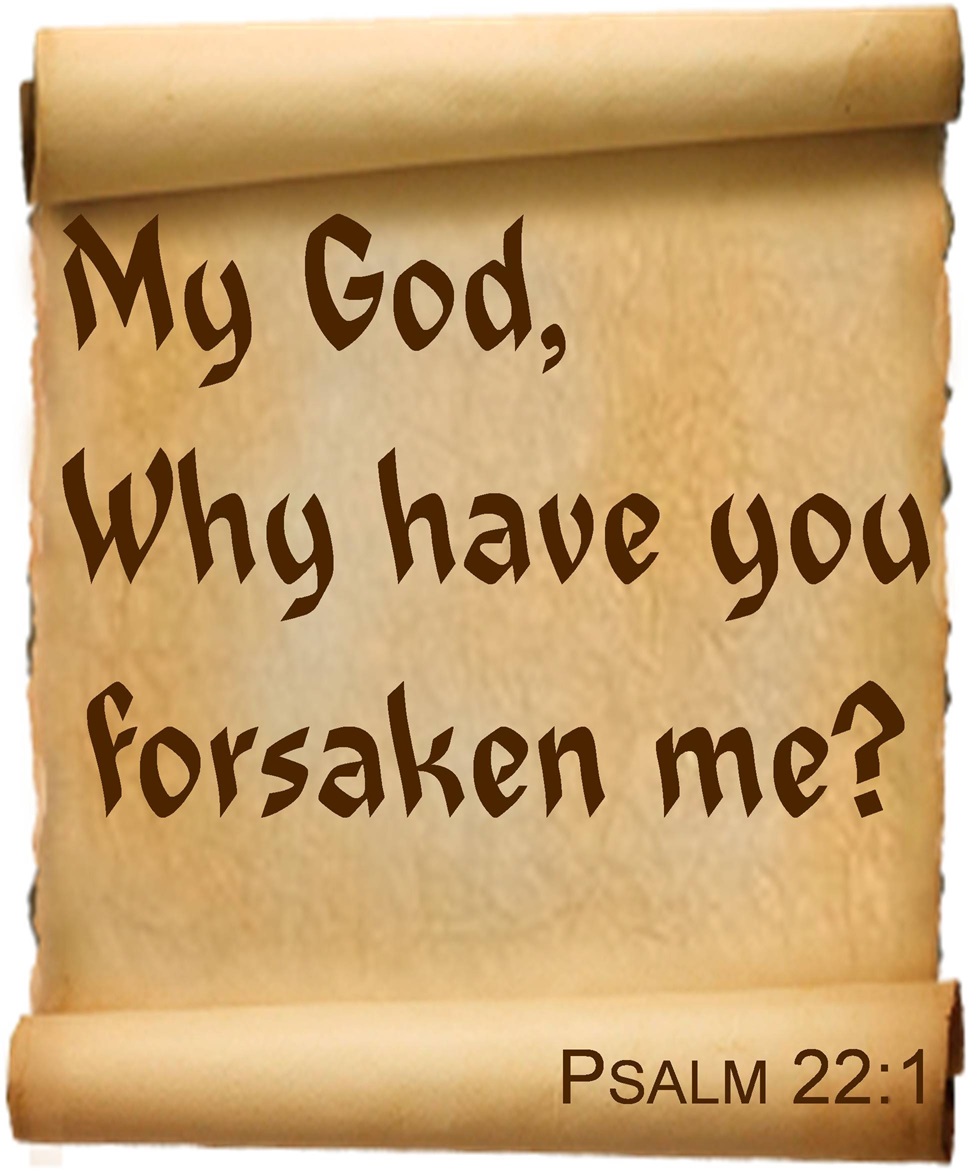
The opening words may sound familiar: “My God, my God, why have you forsaken me?” These were the words on Jesus’ lips at his crucifixion (Matthew 27:46 || Mark 15:34).

But before we ask why Jesus reused the opening words of Psalm 22, what did those words mean in their Old Testament setting?

Continue reading “Psalm 22: David’s “defeat””

Recognizing genres in the Psalms

In the first three psalms, we discovered the rich diversity within the Psalter:

  • A wisdom psalm promised blessing on those who walk in the Lord’s ways (Psalm 1).
  • A royal psalm enthroned the Lord’s anointed to represent his reign (Psalm 2).
  • A lament voiced the king’s struggles to the one who rescues him (Psalm 3).

It helps to recognize the different kinds of psalms (genres). They’re generally categorized into these types:

Continue reading “Recognizing genres in the Psalms”

Psalm 3: David’s enemies

Why am I constantly confronted with David’s enemies in the Psalms? What relevance does that have for us?

Update 2024-08-09: Added podcast on Psalm 3.

The first thing you’ll notice about Psalm 3 is the comment before verse 1. This is the first psalm “of David.”

The first two psalms didn’t have a title like this. They set the foundation for the relationship between the Lord and his people. That relationship was established by the Law of the Lord (Psalm 1), and implemented in the reign of the Lord and his anointed (Psalm 2).

Now in Psalm 3, we turn to the Lord’s Anointed. All the remaining psalms in Book 1 are “of David,” with one exception (Psalm 33).

So, are you ready for the privilege of listening in on the king’s prayers?

Continue reading “Psalm 3: David’s enemies”

Psalm 2: The Lord’s reign

Update 2024-08-01: Added Podcast on Psalm 2.

Without Psalm 2, you’ll get bogged down when the Psalms talk about “enemies.” Book 1 talks about enemies and foes fifty times in 41 Psalms. Some people just skip these psalms, looking for something more joyful.

Psalm 2 is the missing piece of the puzzle. David’s enemies are God’s enemies. As the Lord’s anointed (verse 2), David represents God’s reign on earth. So, any enemy of David is an enemy of the one who appointed him.

Continue reading “Psalm 2: The Lord’s reign”

The story of the Psalms

Do you know the story that spans the five books of the Psalms?

Welcome to Psalms. This is an amazing book that feels so relevant. When you’re joyful, sing Hallelujah psalms. When life is terrible, use a lament Psalm to express your anguish to God. The Psalms shine God’s light into every facet of our existence.

Do you have some favourite Psalms? Which ones do you turn to most often?

In the coming weeks, we’ll take you through 12 of 150 psalms, sampling different kinds. Some taste like bitter tears; others like joyful praise. Psalms of trust taste like soft-centred chocolate, while wisdom psalms are more like a nougat that takes time to chew.

Continue reading “The story of the Psalms”

Formed in God’s Story: Psalms

Twelve Psalms in six weeks.

Update 2024-09-12: All notes and podcasts are now linked.

Interested in the Psalms? Do you know what they meant to Israel as their story unfolded in the five books of the Psalms? Why was David so central? Does that have anything to do with Jesus? What do the Psalms mean to us?

We’ll take two Psalms each week for six weeks, selecting different genres from across the five books within the Psalms, so that you’ll know how to treat the Psalms well.

We’ll add notes and podcasts here each week. We’re meeting on Wednesday evenings (7–9 pm) from 31 July to 11 September 2024 (except 14 August):

Continue reading “Formed in God’s Story: Psalms”

How do governments fit with Christ’s authority? (Acts 25:10)

Why does Paul appeal to Caesar? What about his Jewish roots, and his faith in God’s Messiah as Saviour of the world?

Why would Paul say this? “I am standing before Caesar’s court, where I ought to be tried.” (Acts 25:10)

Doesn’t Paul believe Jesus is the ruler who ultimately sets all things right? And if he had to choose between Jerusalem and Rome, why choose the rulers who oppressed God’s nation rather than the nation called to represent God’s authority?

Paul’s statement cuts across how many today think about Israel, empire, and the kingship of the Christ.

Continue reading “How do governments fit with Christ’s authority? (Acts 25:10)”

Jesus and the Powers (Wright and Bird)

How do we navigate the growing political divide in our society? This book from N. T. Wright and Michael Bird can help us get our focus right.

Update 2024-08-17: Link to Christianity Today’s review.

How should Christians engage with the politics of our day? N. T. Wright and Michael Bird help us face this challenging question in Jesus and the Powers: Christian Political Witness in an Age of Totalitarian Terror and Dysfunctional Democracies (Zondervan, 2024).

I loved this book. Even when I disagreed, it felt like a stimulating conversation with friends, discussing things that matter:
In this book, we have attempted to do a number of things related to the topics of political theology, public discipleship, Christian testimony in the face of tyranny, and debates over Church and State relationships. (page 175)

Continue reading “Jesus and the Powers (Wright and Bird)”

Formed in God’s Story: Acts

Notes and podcasts on the Book of Acts

Updated 2024-06-20: Final notes and podcasts added.

Interested in a 7-week journey through Acts?

Each Wednesday evening we cover 2 chapters, take a coffee break, and then the next 2 chapters. At four chapters each week, we cover the 28 chapters in seven weeks.

The full notes for Acts 1-28 are here (PDF, 17MB). Alternatively, you can download the podcasts and notes for each week:

Continue reading “Formed in God’s Story: Acts”

God’s message for Assyria (Nahum, Jonah)

Was Nahum right, or was Jonah? Did God want to condemn Ninevah or save it?

Two Minor Prophets heard God’s message for Nineveh, capital of the biggest, “baddest” empire of the Middle East in the eighth century BC. Assyria traded on its reputation for violence, so that the other nations would yield to them.

The prophets say that’s not right. God runs the world, and the nations must answer to him. But Nahum and Jonah have very different views of how God will deal with Nineveh.

Continue reading “God’s message for Assyria (Nahum, Jonah)”

God’s message for Israel (Hosea, Amos)

Two minor prophets addressed Israel. Hear what God was saying to Israel, and you’ll hear what God is saying to the world.

Want to know what the prophets mean for us? Read them in their setting. It’s more effort than, “I’ll have this verse,” but it means so much more. What God promised comes alive in Christ.

Hosea and Amos are the two minor prophets who addressed Israel. That’s the northern nation established by Jeroboam when Solomon died. Samaria was the capital. Bethel and Dan were the worship centres.

Hosea and Amos kept calling Israel back to God. Disconnected from the Lord and his anointed, Israel was a basket of summer fruit going rotten (Amos 8). God’s anguish with Jacob’s failing family was something Hosea knew firsthand, living with a partner who gave herself to others and children who weren’t his (Hosea 1).

Hosea

Hosea moved to rescue his wife from slavery. He said God would move to rescue Israel from their demise as a kingdom without a king or God to save them:

Continue reading “God’s message for Israel (Hosea, Amos)”