New covenant, new king (Jeremiah 31)

A new covenant means a new king. That’s the gospel in Jeremiah.

“I know the plans I have for you,” may be our favourite text from Jeremiah. But here’s the favourite of the New Testament writers (quoted in Luke 22:20; Romans 11:27; 2 Corinthians 6:16; Hebrews 8:12; 10:16-17):

Jeremiah 31 (NIV)
31 “The days are coming,” declares the Lord, “when I will make a new covenant with the people of Israel and with the people of Judah. … 33 “This is the covenant I will make with the people of Israel after that time,” declares the Lord. “I will put my law in their minds and write it on their hearts. I will be their God, and they will be my people.”

Why did God promise a new covenant? What was wrong with the old one?

Continue reading “New covenant, new king (Jeremiah 31)”

The plans I have for you (Jeremiah 29)

You may have heard this one:

Jeremiah 29:11 (NIV)
“For I know the plans I have for you,” declares the Lord, “plans to prosper you and not to harm you, plans to give you hope and a future.”

We’re looking at favourite verses in Jeremiah, and this might top the list. We’re asking you to handle Scripture well, understanding how it applied to them before applying it to us. Who was you? What plans did God have for them?

Continue reading “The plans I have for you (Jeremiah 29)”

The hands that shape history (Jeremiah 18)

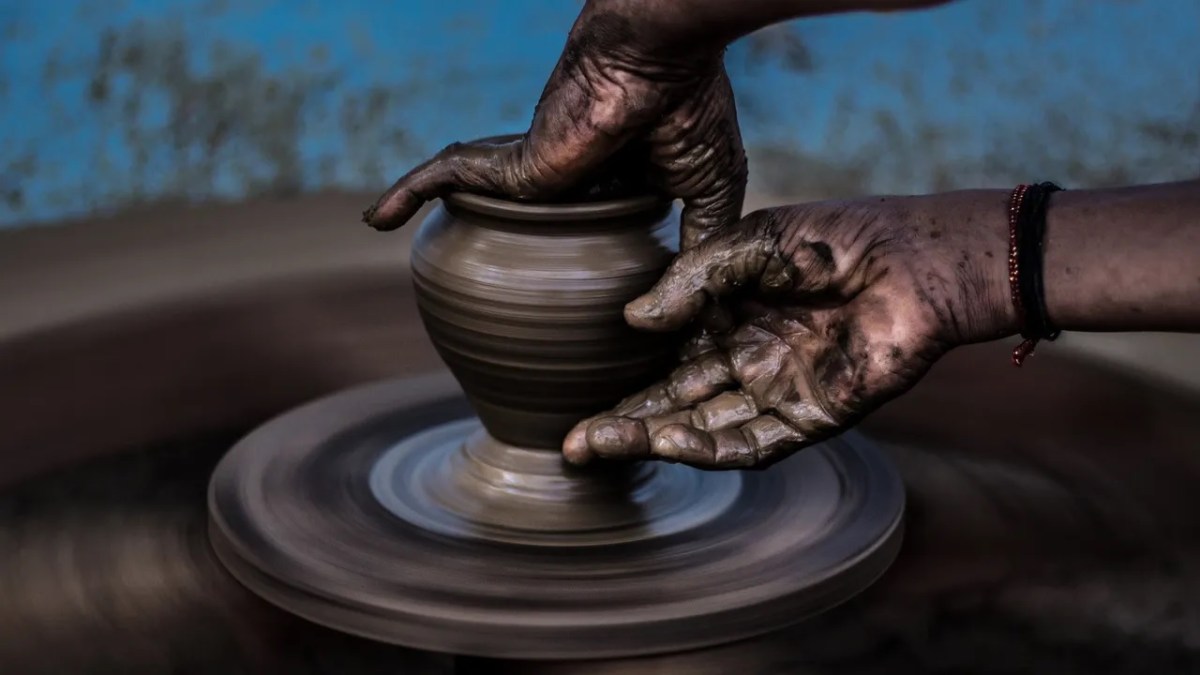
What did Jeremiah see when he visited the potter’s house? Is his picture consistent with the metaphor of God as ‘potter’ in the New Testament (Romans 9:21)?

You know that time Jeremiah visited the potter to see what God was doing?

Continue reading “The hands that shape history (Jeremiah 18)”

Temple as God’s presence (Jeremiah 7)

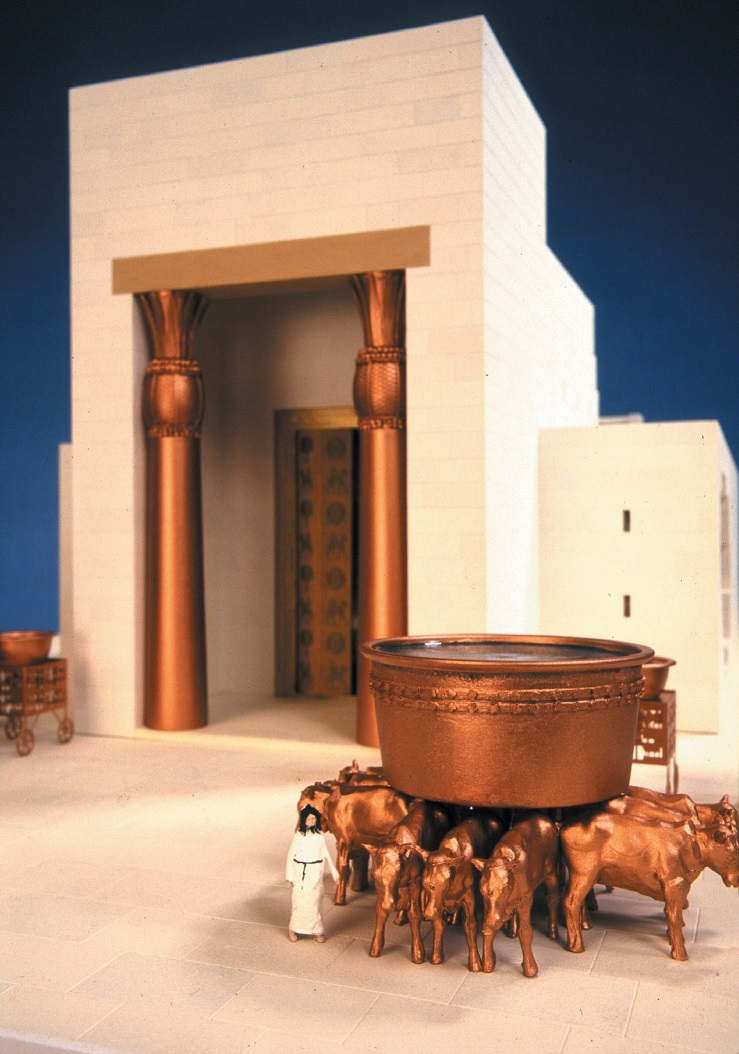
How could the temple fall if God was there?

Do you have a favourite text from Jeremiah? By setting the verses you already know in context, you’ll have a better appreciation of this prophet.

“Has this house, which bears my Name, become a den of robbers to you?” God asked through Jeremiah (7:11). And Jesus asked the same question about his Father’s house (Matthew 21:13 || Mark 11:17 || Luke 19:46). Understanding Jeremiah’s context makes powerful sense of both settings.

Continue reading “Temple as God’s presence (Jeremiah 7)”

An overview of Isaiah

In the tragedy of Israel’s fall, Isaiah declared how God would redeem his world.

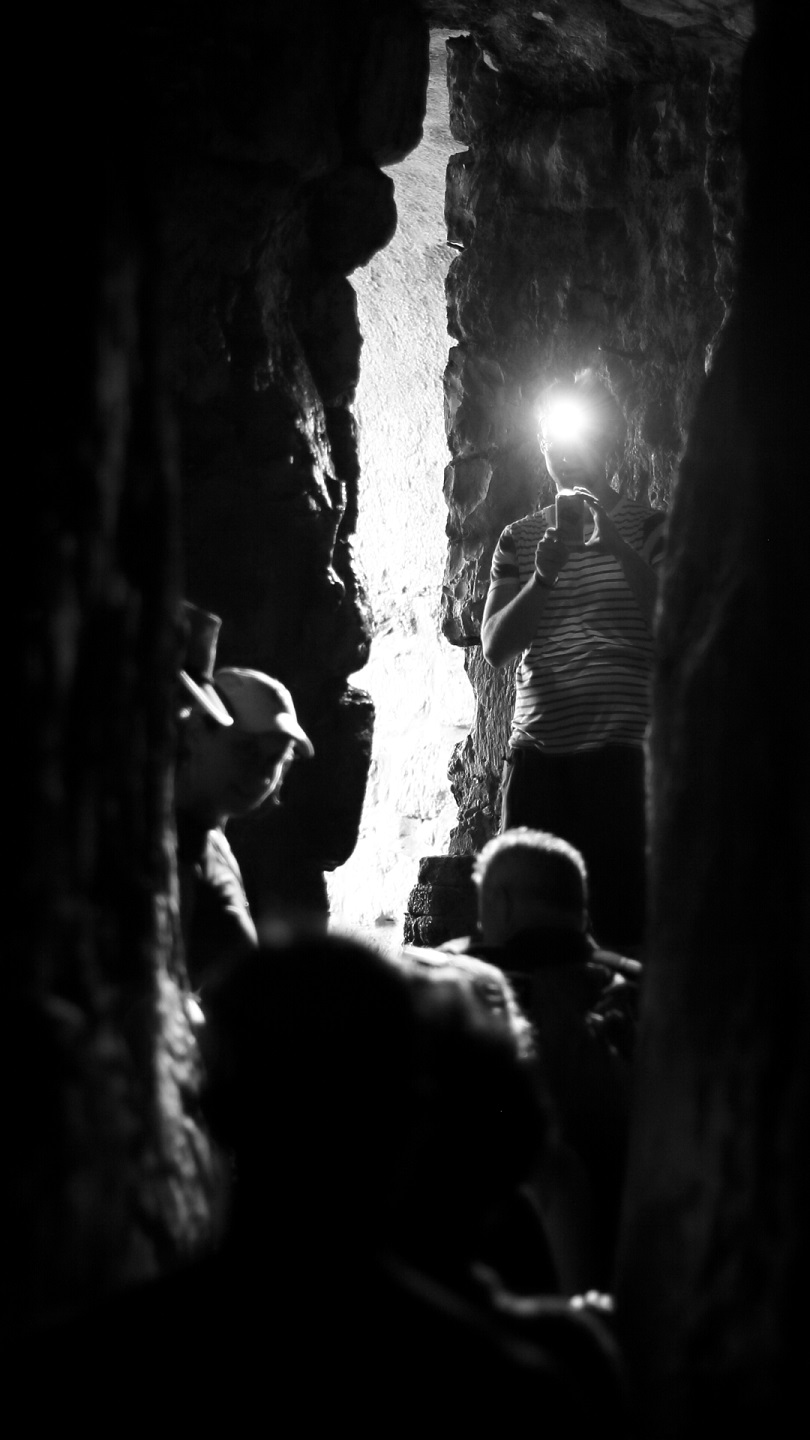
[Image: the light at the end of Hezekiah’s Tunnel. Allen Browne, 2014]

Hear the Prophets in their setting, and we see how the promises of God restoring his reign find their Yes in Christ. That’s how they apply to us.

The sheer size of the Major Prophets can feel daunting. This post is a high-level drone shot of the Book of Isaiah. He was called to proclaim God’s throne as the kingdom fell apart.

Continue reading “An overview of Isaiah”

When God called Isaiah (Isaiah 6)

Isaiah 6 is a great intro on how to read the Prophets. God explains what a prophet is and what a prophet does.

To discover what a prophet is, chat to one. How were they called? What was God calling them to do?

Isaiah gives us that conversation. It all started with the death of the Davidic king who had reigned well for 50 years (2 Chronicles 26). What would happen now?

Isaiah 6:1 (NIV)
In the year that King Uzziah died, I saw the Lord, high and exalted, seated on a throne; and the train of his robe filled the temple.

Continue reading “When God called Isaiah (Isaiah 6)”

How do the Prophets apply to Christ?

Eschatology — the study of “last things” — is all about how God’s promises come together in the end.

Maybe we should call it Yeschatology — the study of how God’s promises find their Yes in the Messiah. For all the promises of God find their Yes in him (2 Corinthians 1:20).

So how do all the promises God delivered through the prophets find their Yes in the Messiah? Ah, that’s the central story of the Bible. That’s how the Prophets apply to Christ.

Continue reading “How do the Prophets apply to Christ?”

How to approach the Prophets

Know the setting for each Old Testament Prophet? Now you do.

The Prophets (Isaiah – Malachi) are some of the most fascinating and least understood books of the Old Testament. In this series, we’ll give some insight into how to approach them, and provide some context for listening to Isaiah, Jeremiah, Ezekiel and the Minor Prophets. We’ll draw some conclusions about how they apply to us, and how they are fulfilled in Christ.

This introductory post covers how to approach the prophets. What is a prophet? How do we know what context they were addressing?

Continue reading “How to approach the Prophets”

Justification by Faith (Michael Bird)

Here’s the best summary I’ve ever read of this crucial doctrine: Justification by Faith: Debates Old and New. It’s a post by Michael Bird, on the Logos blog.

It’s easy to become so attached to the view of our own tribe that we don’t hear what others are saying. Michael Bird doesn’t make that mistake. He understands and fairly represents how justification by faith has been understood in the traditional debates (Catholicism versus the Reformers) and in current scholarship (new perspective on Paul, apocalyptic Paul, and Paul with Judaism).

Set half an hour aside to bring yourself up to speed. You’ll benefit from years of Dr Bird’s research, discussions, and engagement with historical and current thought.

His outline:

Continue reading “Justification by Faith (Michael Bird)”

“Son of man” — the backstory of Jesus’ authority

I’ve been meditating on why Jesus described himself as the son of man. It’s the simplest and most profound self-designation. It redefines us all.

Linguistically, the phrase means nothing more than a human being — a descendant of humanity. Calling himself human doesn’t make Jesus special; it makes him one of us.

What is special about a human identity? Ah, that question takes us to the heart of the God revealed in Christ.

Continue reading ““Son of man” — the backstory of Jesus’ authority”

Are churches growing or are Christians just shifting?

This is a guest post from Steven McCready of Riverview Church in Western Australia, reposted from Steve McAlpine.


I’m writing this to my brothers and sisters, the pastors of the churches in Perth. I am a guest in this great city, and I consider it an honour to co-labour with you in this great work. As I enter my third year of ministry here, I want to offer some fresh perspective into what we are mislabelling as church growth and then offer some pastoral reflections to equip you for this cultural reality that is ours to minister within.

Continue reading “Are churches growing or are Christians just shifting?”

Formed in God’s Story: Matthew 15–28

Free course in Matthew’s Gospel, with notes and podcasts

Update 2023-11-18: Notes and podcasts added.

The second half of Matthews’ Gospel resumes over seven Wednesdays from 18 October 2023 (7–9 pm) at Riverview Church (Perth, Western Australia).

Continue reading “Formed in God’s Story: Matthew 15–28”

The beatific community of the king (podcast)

How do we become blessed? Do the Beatitudes tell me how to get the blessing? Or was Jesus speaking as the king elect, describing how beautiful the community under his heaven-appointed leadership would be?

What are the Beatitudes? What are they calling us to do or be?

Continue reading “The beatific community of the king (podcast)”

The sci-fi dream

This morning I woke up in a sci-fi dream. I was part of a team mining essential minerals on a foreign planet. We were not to disclose who we were or where we came from or how much we’d found, since teams from other countries were seeking the same resources.

The stakes were high. If our enemies beat us, we may not have a future. We weren’t sure how far they would go to stop us. There were rumours of teams using chemicals and explosives for purposes other than mining. We never knew if the threat was genuine or disinformation.

Continue reading “The sci-fi dream”