
Prefer podcasts? This one covers our three previous posts on Genesis 1, the first chapter of the series Formed in God’s Story: Genesis 1–12.
God’s authority in heaven and on earth (Genesis 1:14-31)
We discover our identity in relation to God.

Genesis 1 is a revelation of God. God’s decrees give form and function to a world that would otherwise be vacuous and void. God decreed life.
Now God sets up signs in the heavens that earth is under heaven’s authority:
Continue reading “God’s authority in heaven and on earth (Genesis 1:14-31)”
“And God said …” (Genesis 1:1-13)
God is the subject of almost every sentence in Genesis 1. His decrees give earth its shape and significance.
We talked about how hearing Genesis 1 well means listening to what the ancient Hebrew words meant in their culture. Let’s apply that approach.
How to approach Genesis 1
Why do people disagree over how to read Genesis 1?
If you missed Ariana Grande’s most popular song last year, tell me what she means:
I didn’t think you’d understand me
How could you ever even try? …
We can’t be friends …
— Ariana Grande
Was she breaking up with a guy because he didn’t understand her? If you keep listening, it’s the other way around. The refrain is, “I’ll wait for your love.”
Even best friends misunderstand each other. We make assumptions about what the person is saying. We hear part of the message and miss the main thing. We don’t connect the words with yesterday’s conversation.
The chance of misunderstanding is greater when we don’t know someone well. If the person is from another culture, or another language, or another time, we’ve got work to do to understand who they are, what they’re saying, and what they mean.
All those issues are present when we come to the Bible. All sixty-six books come to us from another culture, another language, and another time. We misunderstand them when we read them through Western eyes, though the dynamics of our culture and the assumptions of our time.
That’s why people divide over how to read Genesis. We misunderstand it when we expect it to answer our questions about science and history, instead of hearing what it is talking about. Gordon Wenham expressed it well:
On Genesis 1–12

This week I’m starting a new series on the opening chapters of Genesis at Riverview. I’ll break the content down into manageable chunks and share it with you here on this blog. There will also be podcasts, each covering one chapter of Genesis 1–12.
Formed in God’s Story: Genesis 1–12
Free course with notes and podcasts on Genesis 1–12.
Update 2024-03-28: Final podcasts and full notes added.
The first eleven chapters of Genesis make an astounding claim. The Lord God is not only the covenant God of Israel (the message from Exodus onwards). He is the God of all people, Lord of heaven and earth. It’s all his creation, established by his sovereign decree.
The rest of Scripture builds on this foundation, as what God established in the beginning comes together in the end. As the prophets promised, the word of the Lord is not a fruitless echo in a void; it’s the life-giving command that transforms creation (Isaiah 55:11-13).
The word that was there in the beginning became a living, breathing, embodied reality in his creation as the Word became flesh and dwelt among us (John 1:14). It’s in him that the whole creation is restored, so the story ends with the one who is seated on the throne declaring, “See! I am making everything new” (Revelation 21:5).
That’s the foundational importance of these early chapters of Genesis. Over six evenings in February/March 2025, we’ll slow down and savour just two chapters a night:
Reading Romans Backwards (Scot McKnight)
This book review looks at why Scot McKnight calls us to read the early chapters of Romans in light of the concluding ones.
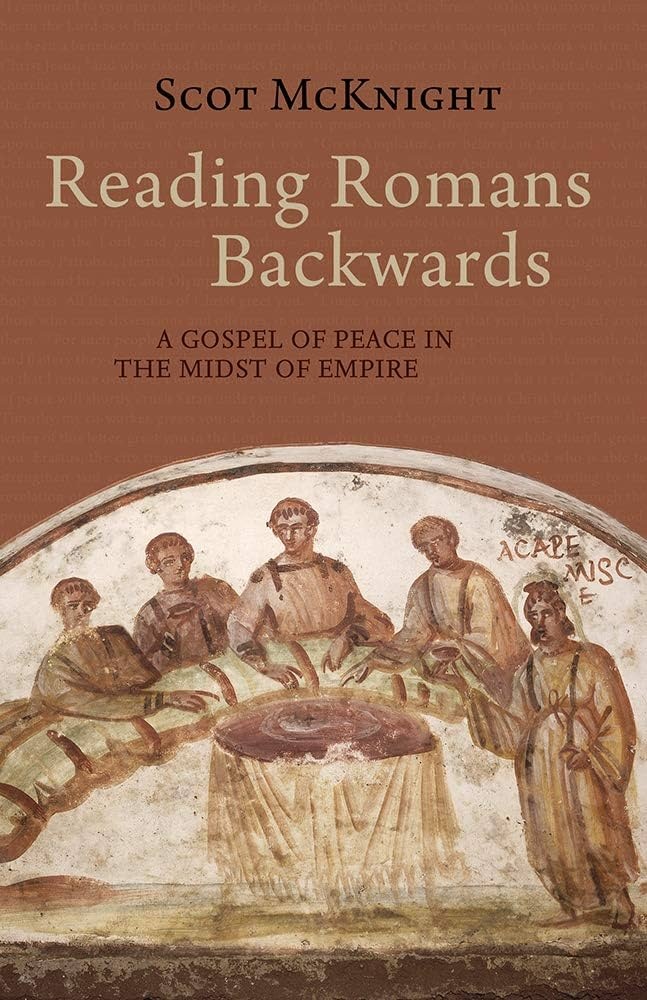
After two weeks’ vacation driving the South Island of New Zealand, I’m feeling overwhelmed by the natural wonder: majestic mountains, large lakes, fantastic fjords, and glistening glaciers. Each day we began by setting the GPS coordinates to where we needed to end up, and then took our time to enjoy the stunning scenery on the way.
Scot McKnight suggests we read Romans like that. Begin with where Paul wants the church to end up, the destination spelled out in Romans 12–16. That’ll help us make sense of the route he takes to get them there.
Romans is a magnificent presentation of the gospel, setting out all God is doing in Christ to set the world right. But it was never intended as armchair theology. It’s lived theology. That’s the term Scot uses 100+ times in Reading Romans Backwards: A Gospel of Peace in the Midst of Empire (Waco, TX: Baylor University Press, 2019).
It’s only January, but this is the best book I’ve read so far in 2025. Here’s why.
When the word comes to life
The enfleshed reality of God among us transforms the world into what God said it would be.
In the beginning was the Word, and the Word was with God, and the Word was God. … And the Word became flesh and dwelt among us … (John 1:1, 14, ESV).
The fourth Gospel proclaims a world-transforming message. What God decreed in the beginning has become a living, breathing reality here on earth. The world God spoke into existence is now present in the Christ: light in the darkness, Father’s life in the human family, a corrupted world restored to heaven’s reign in him.
How John introduces Christ (John 1)
How does John’s Gospel introduce the Christ? Anything relevant to Christmas?
With no nativity story, the opening of John’s Gospel is sometimes ignored at Christmas. But if Christmas is the coming of the Christ, well that’s what John’s Gospel is all about: these things are written so that you may believe Jesus is the Christ (John 20:31).
So, how does John introduce the Christ? What does John mean by describing Jesus as the Word? To hear these words afresh, let’s work backwards through John 1.
Living in Babylon or New Jerusalem (podcast)
Which culture represents your lifestyle?

A tale of two cities: Babylon wants to take over God’s world; Jerusalem invites God’s reign. Which culture are you living for?
Continue reading “Living in Babylon or New Jerusalem (podcast)”
Formed in God’s Story: Book of Revelation

Final update 2024-11-14: The notes for all six weeks are now available as a single PDF, with two podcasts for each week.
Fascinated, or frightened? What are your feelings about the Bible’s final book?
Can we read it without interpretative methods dividing us into Futurists, Preterists, Historicists, and Idealists? Piecing together John’s visions of Armageddon, Babylon, and the Millennium has tended to divide us.
But asking “When is this book about?” may be the wrong question. Asking “Who is this book about?” may be more productive. If Scripture is the revelation of God, what does the final book reveal about God?
Continue reading “Formed in God’s Story: Book of Revelation”
Psalm 145: God’s reign restored in David
The final Psalm of David points us to where we’re headed.
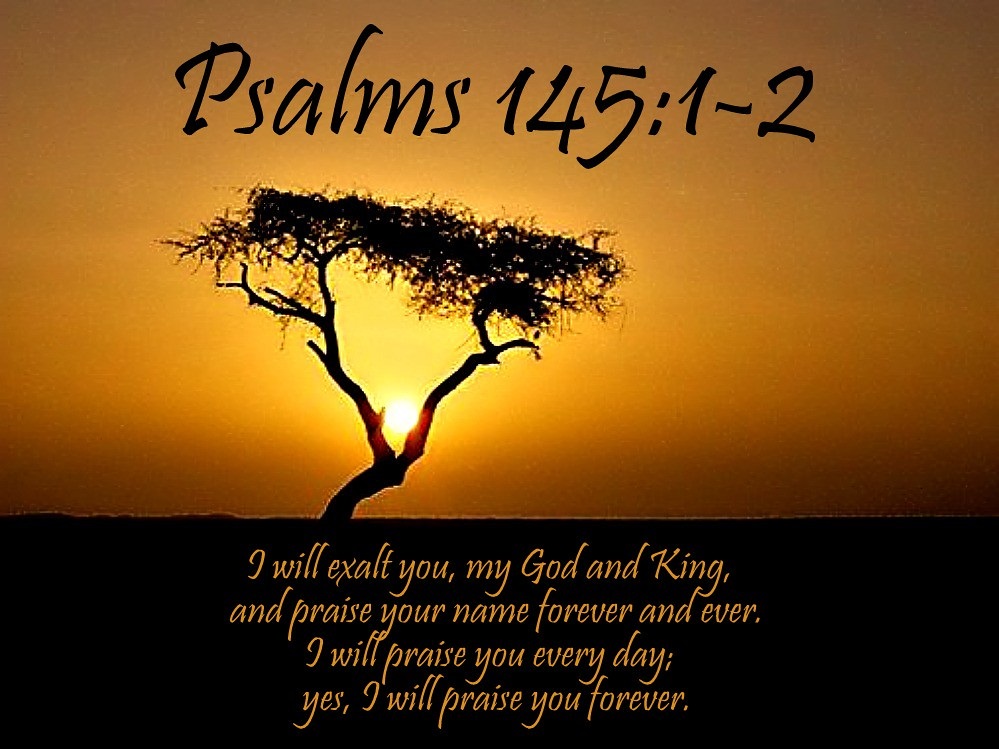
To conclude this survey of the Psalms, we’ve chosen something very significant: the last psalm “of David.”
It’s a praise psalm, as God’s anointed points his people to their true sovereign, the one who always reigns:
Psalm 118: Trusting God’s gracious love
Gratitude is gladness springing from relational faith.
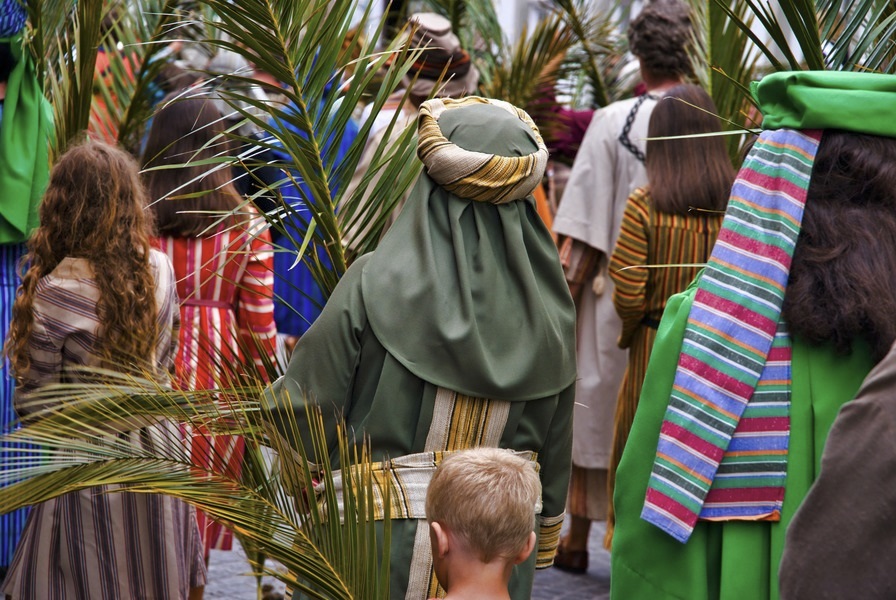
Psalm 118:1-4 (NIV)
1 Give thanks to the Lord, for he is good; his love endures forever.
2 Let Israel say: “His love endures forever.”
3 Let the house of Aaron say: “His love endures forever.”
4 Let those who fear the Lord say: “His love endures forever.” …
This thanksgiving psalm calls us to join in, with gratitude for God’s unfailing love, his covenant loyalty (ḥě·sěḏ). We’ll see what the Psalm meant for Israel first, since what it means for us rises out of what it meant to them.
What about other gods?
Why do some Psalms speak of God in comparison to other gods?
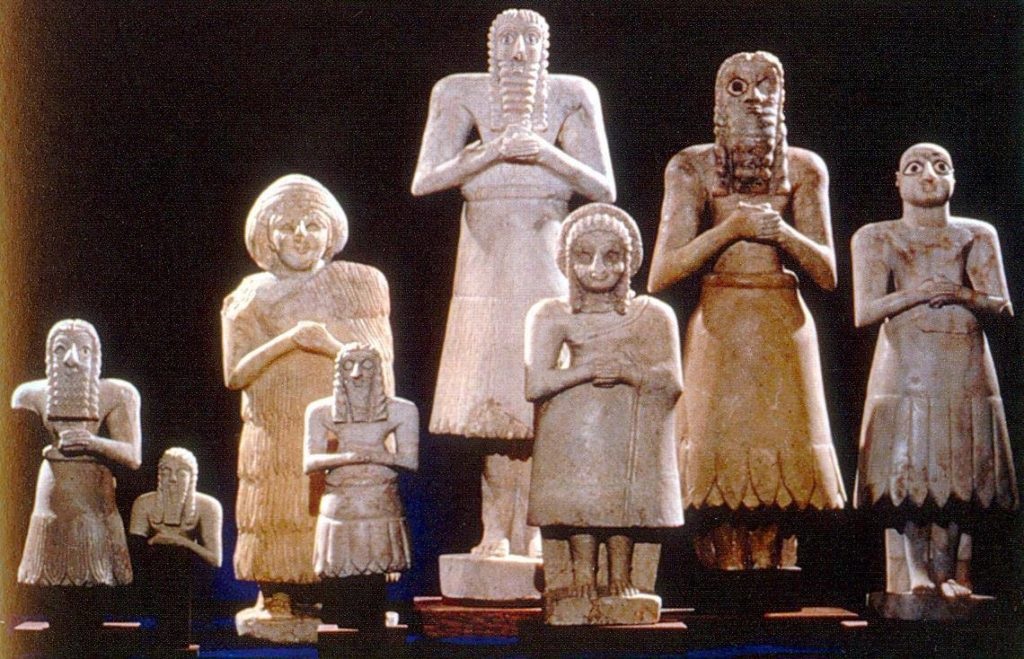
The Lord’s first commandment for Israel was, You shall have no other gods before me (Exodus 20:3). So, did they think there were other gods?
Worship him, all you gods! says Psalm 97:7. They describe the Lord as exalted far above all gods (verse 9). So, did they believe in other gods?
As always, understanding Scripture requires us to appreciate the framework they were using. It’s worth the effort to understand their worldview, and how it developed over time.
Psalm 97: The Lord is king
Questions to deepen our praise.

Psalm 91: Trusting God’s protection
God saves those who trust him.
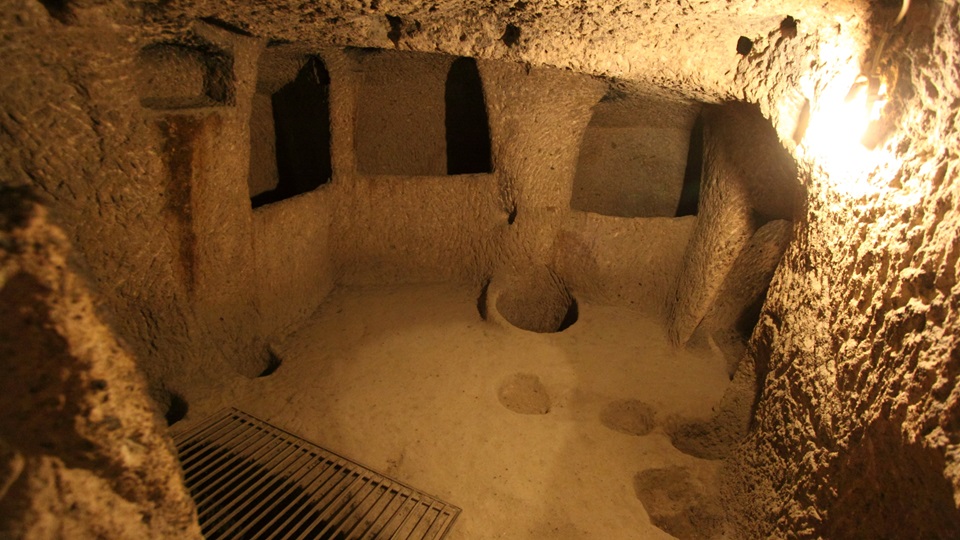
Psalm 91 is a psalm of trust. There’s only half a dozen of these, and all the others in Books 1 and 2 (Psalms 11, 16, 23, 62, 63).
Now David is no longer teaching his people to pray, “The Lord is my shepherd.” David is gone, leaving them under foreign powers (Psalm 89). Moses prays the Lord to take pity on his people (Psalm 90). Psalm 91 affirms they are still in God’s care. Even without David’s reign, the Lord reigns (Psalms 93:1; 95:3; 96:10; 97:1; 98:6; 99:1). They’re still a flock shepherded by the Lord (95:7; 100:3). That’s the context of this psalm of trust.
Psalm 91:1-2 (NIV)
1 Whoever dwells in the shelter of the Most High will rest in the shadow of the Almighty.
2 I will say of the Lord, “He is my refuge and my fortress, my God, in whom I trust.”
Psalm 89: The Lord’s reign through David has died
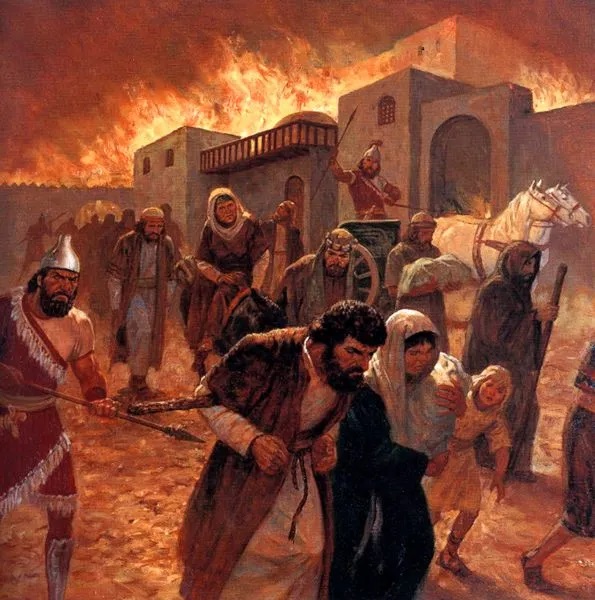
The final psalm in Book 3 is the low point of the Psalter. Jerusalem has fallen. Judah is captive to Babylon. There is no longer any nation to show the nations the wonder of belonging to God. The kingdom of God and the reign of David no longer exist.
Psalm 89 is attributed to Ethan the Ezrahite, but we don’t know who he was. He speaks for a people grappling with contradictory realities: God is faithful, but we’re not experiencing it.
Psalm 89 takes us up to the heights, and down to the depths. In summary:
Continue reading “Psalm 89: The Lord’s reign through David has died”
Psalm 80: Israel has fallen
How do you pray when everything falls apart?
Books 1 and 2 of the Psalms focused on the reign of David and his sons (Psalms 1–72). Seeing the kingdom fall in Book 3 is heart-rending:
Psalm 79:1 O God, the nations have invaded your inheritance; they have defiled your holy temple, they have reduced Jerusalem to rubble.
The disintegration began when Solomon died and the kingdom split (1 Kings 12). Only Judah (the southern kingdom) retained the Davidic kingship and worshipped in Jerusalem. The northern tribes made Samaria their capital, crowning their own kings, setting up their own worship centres. Eventually, both kingdoms fell.
Psalm 80 responds to the fall of Israel to Assyria in 722 BC. Psalm 89 responds to the fall of Judah to Babylon in 586 BC. We’ll keep Psalm 89 for next time.
Psalm 72: Prayer for the king
How does Israel’s prayer for their king (Psalm 72) relate to us today?
As we saw in Psalm 48, Israel prayed to and honoured the Great King who lived in the temple they provided for him in the capital. In Psalm 72, God’s people pray for the king who mediates God’s reign to his nation.
These were the two ways Israel experienced the reign of their heavenly sovereign:
- the temple was God’s house, with his throne (the ark) in his private chamber;
- the king was God’s viceregent, the living expression of heaven’s reign on earth.
In Psalm 72 (the final one of Book 2) the kingship transitions from David to his son, as his people pray for his reign to endure forever.
First we’ll see what this meant for Israel, so we can understand what it means for us.
Psalm 48: The praise of Zion
What does “Zion” mean to you?
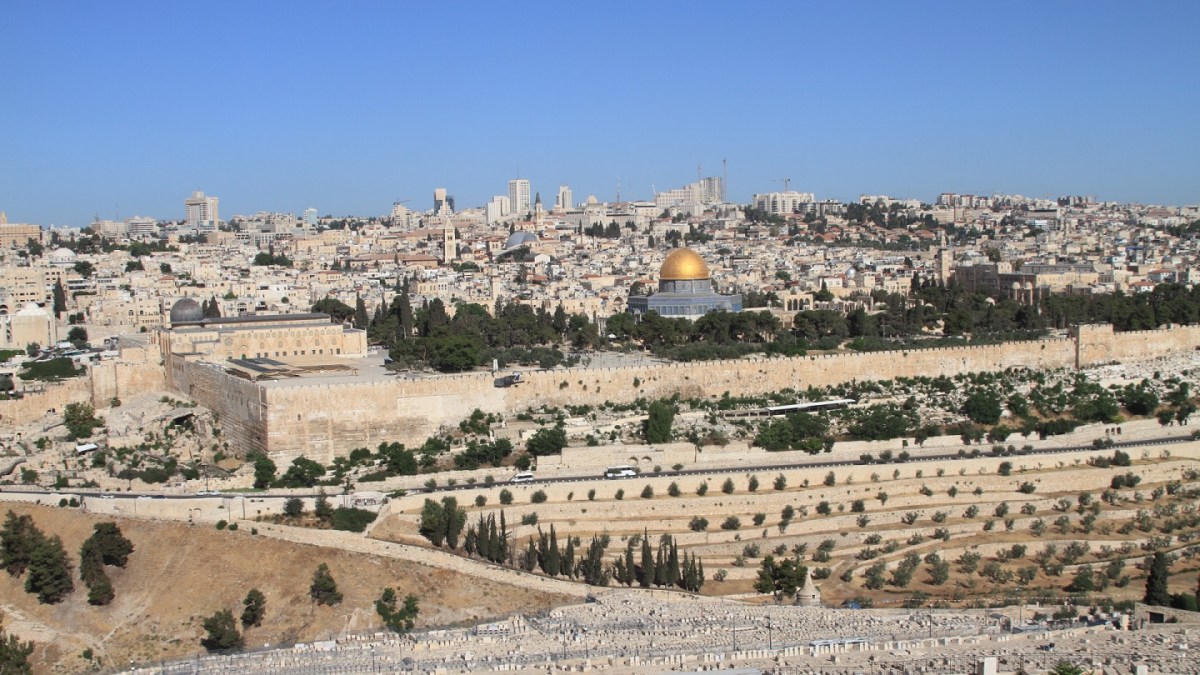
Psalm 48 is a song of praise, from the Korahites (Levites who assisted with worship). They celebrate Mount Zion, the hill in Jerusalem where God’s house was. We’ll begin by asking what this psalm meant to them, before we ask what it means for us.
 Seeking the kingdom