

This podcast (36 min) covers the topics blogged from Genesis 9.
Category: Theology
God’s covenant with earth (Genesis 9:8-17)
What’s the significance of the Noah covenant?

God’s world has been ruined (Genesis 7), rescued (Genesis 8), and reconfigured (Genesis 9). After the flood, God addressed the matter of violence by giving humans authority over each other’s lives for the first time. If God handed over authority like that, has he abdicated?
Absolutely not! The heavenly sovereign clarifies that point by making a covenant with his earthly realm. God commits to keep reigning over us forever, regardless of how difficult we are to manage. That’s the point of the first covenant in Scripture.
Continue reading “God’s covenant with earth (Genesis 9:8-17)”
How John introduces Christ (John 1)
How does John’s Gospel introduce the Christ? Anything relevant to Christmas?
With no nativity story, the opening of John’s Gospel is sometimes ignored at Christmas. But if Christmas is the coming of the Christ, well that’s what John’s Gospel is all about: these things are written so that you may believe Jesus is the Christ (John 20:31).
So, how does John introduce the Christ? What does John mean by describing Jesus as the Word? To hear these words afresh, let’s work backwards through John 1.
Living in Babylon or New Jerusalem (podcast)
Which culture represents your lifestyle?

A tale of two cities: Babylon wants to take over God’s world; Jerusalem invites God’s reign. Which culture are you living for?
Continue reading “Living in Babylon or New Jerusalem (podcast)”
Psalm 145: God’s reign restored in David
The final Psalm of David points us to where we’re headed.
To conclude this survey of the Psalms, we’ve chosen something very significant: the last psalm “of David.”
It’s a praise psalm, as God’s anointed points his people to their true sovereign, the one who always reigns:
Psalm 97: The Lord is king
Questions to deepen our praise.

Psalm 2: The Lord’s reign
Update 2024-08-01: Added Podcast on Psalm 2.
Without Psalm 2, you’ll get bogged down when the Psalms talk about “enemies.” Book 1 talks about enemies and foes fifty times in 41 Psalms. Some people just skip these psalms, looking for something more joyful.
Psalm 2 is the missing piece of the puzzle. David’s enemies are God’s enemies. As the Lord’s anointed (verse 2), David represents God’s reign on earth. So, any enemy of David is an enemy of the one who appointed him.
God’s message for Assyria (Nahum, Jonah)
Was Nahum right, or was Jonah? Did God want to condemn Ninevah or save it?

Two Minor Prophets heard God’s message for Nineveh, capital of the biggest, “baddest” empire of the Middle East in the eighth century BC. Assyria traded on its reputation for violence, so that the other nations would yield to them.
The prophets say that’s not right. God runs the world, and the nations must answer to him. But Nahum and Jonah have very different views of how God will deal with Nineveh.
What did Ezekiel mean by “The end is nigh”?

It’s ninety seconds to midnight according to the atomic scientists’ doomsday clock. Their weapons fuel our insecurity. How long before the world ends?
My parents and grandparents lived through world wars I and II. I grew up with images of doomsday prophets and their sandwich boards proclaiming, “The end of the world is nigh.” I think they were copying Ezekiel:
Ezekiel 7:2-3 (NIV)
2 Son of man, this is what the Sovereign Lord says to the land of Israel: “The end! The end has come upon the four corners of the land! 3 The end is now upon you.
But Ezekiel was no weirdo. He wasn’t talking about the end of the world.
Continue reading “What did Ezekiel mean by “The end is nigh”?”
The enigma of God’s throne (Ezekiel 1)
Ezekiel didn’t know where he fitted on earth until he saw the wheels within wheels in the heavens.
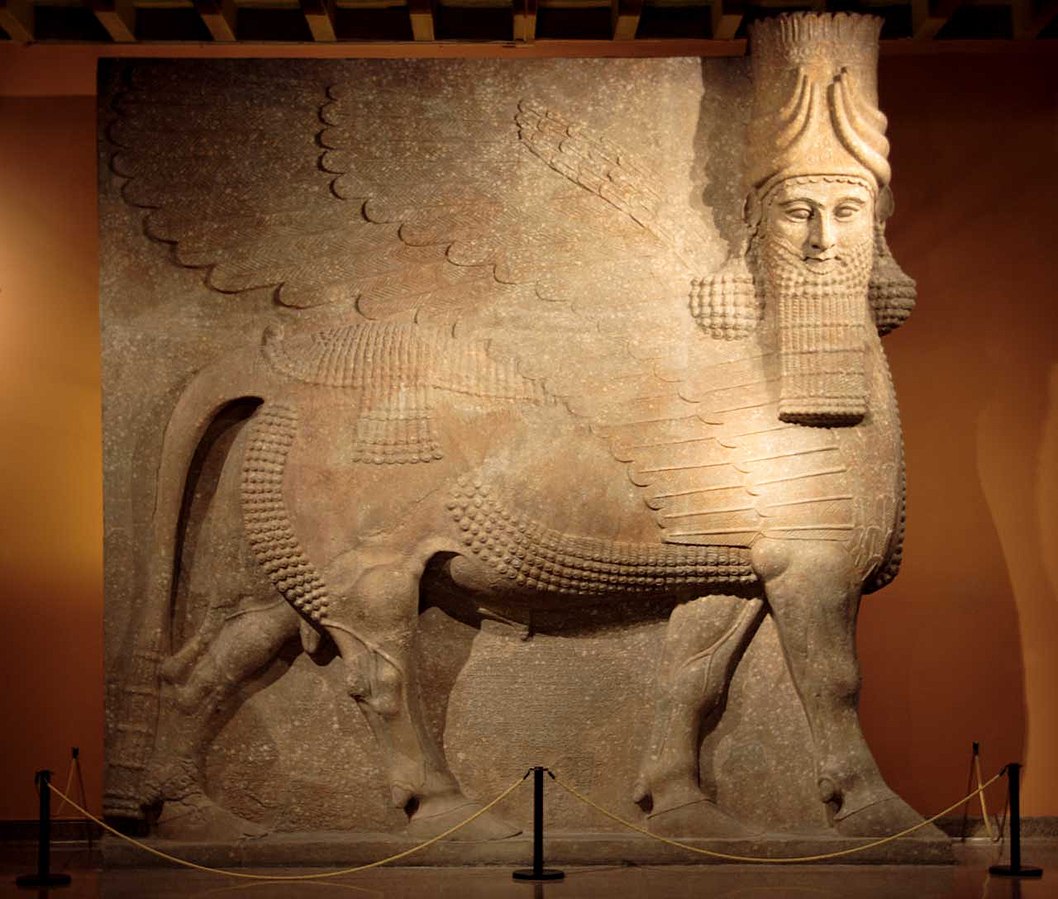
By the rivers of Babylon, Ezekiel sat like a fish out of water. Despite all the glitz and glamour of Babylon, he didn’t fit here. He was living in a world that didn’t match his identity. It’s a feeling many of us can relate to.
But what could Ezekiel do? He didn’t really want to be there. Everything he valued was falling apart. A huge storm was brewing, about to blow everything away. It had already swept westward, and now it was turning south towards Egypt, with Ezekiel’s city (Jerusalem) in the firing line. It felt like a hurricane no one could survive.
That’s when Ezekiel looked up and saw another storm in the heavens, north of Babylon:
New covenant, new king (Jeremiah 31)
A new covenant means a new king. That’s the gospel in Jeremiah.
“I know the plans I have for you,” may be our favourite text from Jeremiah. But here’s the favourite of the New Testament writers (quoted in Luke 22:20; Romans 11:27; 2 Corinthians 6:16; Hebrews 8:12; 10:16-17):
Jeremiah 31 (NIV)
31 “The days are coming,” declares the Lord, “when I will make a new covenant with the people of Israel and with the people of Judah. … 33 “This is the covenant I will make with the people of Israel after that time,” declares the Lord. “I will put my law in their minds and write it on their hearts. I will be their God, and they will be my people.”
Why did God promise a new covenant? What was wrong with the old one?
The hands that shape history (Jeremiah 18)
What did Jeremiah see when he visited the potter’s house? Is his picture consistent with the metaphor of God as ‘potter’ in the New Testament (Romans 9:21)?

You know that time Jeremiah visited the potter to see what God was doing?
Continue reading “The hands that shape history (Jeremiah 18)”
How do the Prophets apply to Christ?

Eschatology — the study of “last things” — is all about how God’s promises come together in the end.
Maybe we should call it Yeschatology — the study of how God’s promises find their Yes in the Messiah. For all the promises of God find their Yes in him (2 Corinthians 1:20).
So how do all the promises God delivered through the prophets find their Yes in the Messiah? Ah, that’s the central story of the Bible. That’s how the Prophets apply to Christ.
Justification by Faith (Michael Bird)

Here’s the best summary I’ve ever read of this crucial doctrine: Justification by Faith: Debates Old and New. It’s a post by Michael Bird, on the Logos blog.
It’s easy to become so attached to the view of our own tribe that we don’t hear what others are saying. Michael Bird doesn’t make that mistake. He understands and fairly represents how justification by faith has been understood in the traditional debates (Catholicism versus the Reformers) and in current scholarship (new perspective on Paul, apocalyptic Paul, and Paul with Judaism).
Set half an hour aside to bring yourself up to speed. You’ll benefit from years of Dr Bird’s research, discussions, and engagement with historical and current thought.
His outline:
Covenant or kingdom?
What’s at the heart of the gospel? Kingdom? Or covenant?
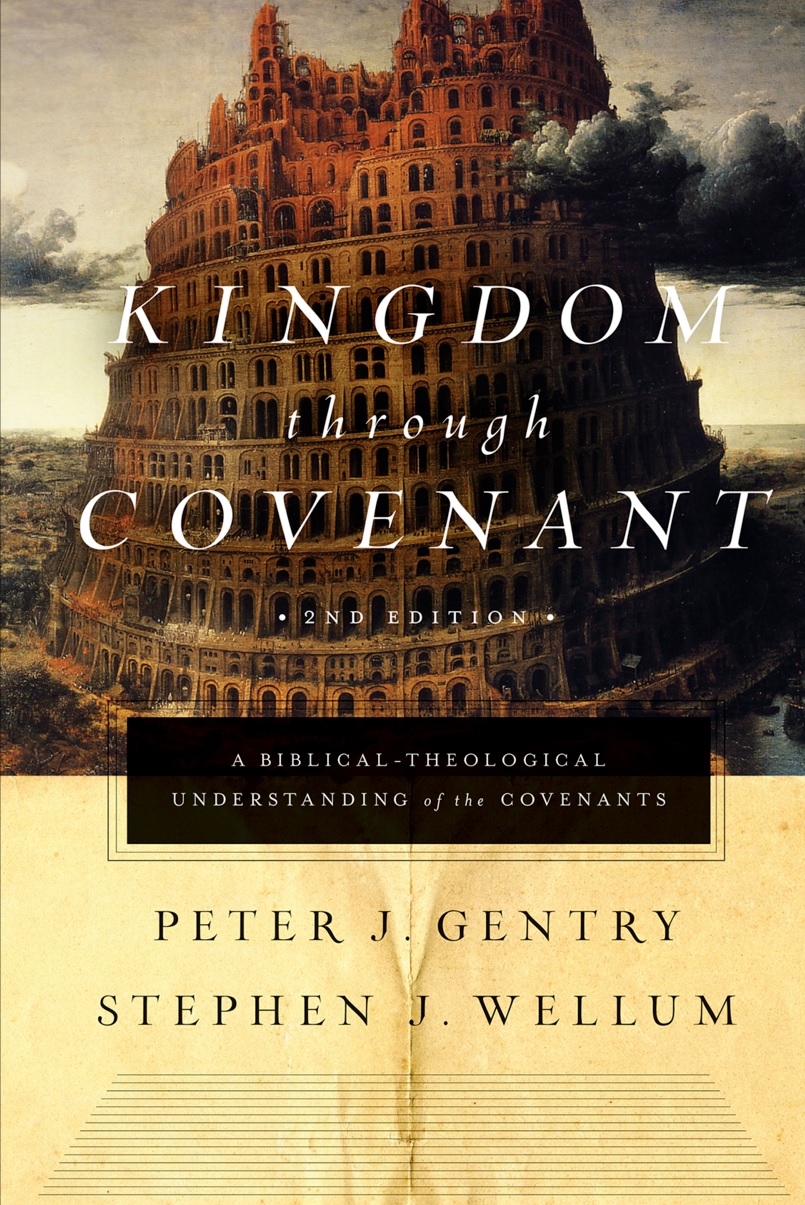
We’re God’s kingdom. That defines the relationship between heaven and earth. God is sovereign; we are his creatures in the earthly realm that is governed by heaven. Our relationship with God is that of king and kingdom.
Or maybe covenant is the unifying theme? There’s no shortage of theologians who see it that way. So who’s right? Is it kingdom or covenant?
Both themes run through Scripture, but they’re not competing. Kingdom is established through covenant.
The kingdom as Father’s gift (Luke 12:32)

Do not be afraid, little flock, for your Father has been pleased to give you the kingdom (Luke 12:32).
That’s a promise that’s worth exploring. How does our Father give us his kingdom? Who is the little flock? Why might it be scary?
The entire story of Scripture is held in these words. Continue reading “The kingdom as Father’s gift (Luke 12:32)”
Meet the author of life (John 1:1–14)
How do you find the meaning to life? Meet the Author.
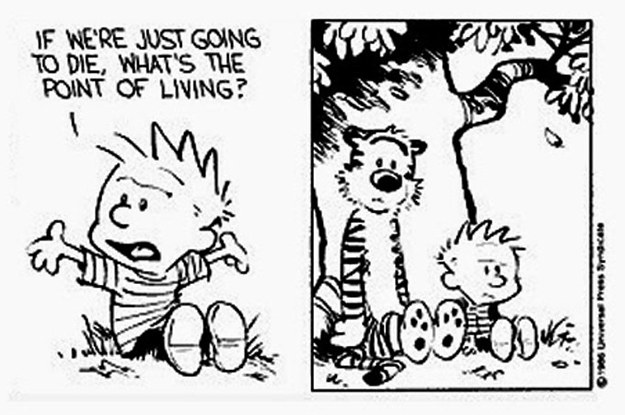
What’s life about? Its architect knows.
—
1 It all started with what the Author said.
What he wrote reflects the Author.
2 The Author was present in what he wrote.
3 The whole story came out of his being.
Not a single thing came from elsewhere.
David’s final Psalm: keywords for theology (145:17-21)
The righteousness of God, calling on the name of the Lord, salvation and judgement — we hear all these words on the messiah’s lips in Psalm 145.
New Testament theology begins in the Old, where God is revealed as the heavenly sovereign who faithfully loves his people and his earthly realm. So when the OT uses phrases that are crucial to Christian theology, they’re the seeds of what God was planting. The OT provides another dimension of insight into what those phrases mean for us.
Four of those phrases turn up on the lips of the messiah in Psalm 145. We’ve seen how the Davidic king announced the kingdom of God (145:1–8) and extended it beyond Israel to all people (145:9–16). Then he makes four statements about the character of God, statements that brilliantly illuminate the theology (words about God) in the Gospels and apostolic letters:
- the righteousness of God (verse 17)
- calling on the Lord in truth (verse 18)
- salvation (verse 19)
- judgement (verse 20).
This Psalm is not quoted in the NT, but the messianic voice provides background for the hope these keywords hold as we read them in the NT.
Continue reading “David’s final Psalm: keywords for theology (145:17-21)”
Does the universe repay us as we deserve? (Genesis 42:21–28)
“What is this that God has done to us?” (Genesis 42:28)

People expect to be rewarded for doing right, and to suffer when they harm others. Religions teach that this will happen in the next life if not in this one, whether that’s understood as eternity or reincarnation. Does the Bible teach this?
You can certainly find cases of people who felt like this. Joseph’s brothers believe their past has caught up with them when they find themselves in an Egyptian prison:
Continue reading “Does the universe repay us as we deserve? (Genesis 42:21–28)”
Joseph’s love story (Genesis 41:44-52)
Who was Asenath? Why did she marry Joseph? What do we learn from their story?

Did you know that Joseph married an Egyptian?
Genesis 41 (NIV)
45 Pharaoh gave Joseph the name Zaphenath-Paneah and gave him Asenath daughter of Potiphera, priest of On, to be his wife. …
50 Before the years of famine came, two sons were born to Joseph by Asenath daughter of Potiphera, priest of On.
Joseph is an amazing character. Despite being catapulted to power from prison, Joseph is one of the few not corrupted by power. But his lifestyle choices in exile still present problems for observant Jews.
 Seeking the kingdom