
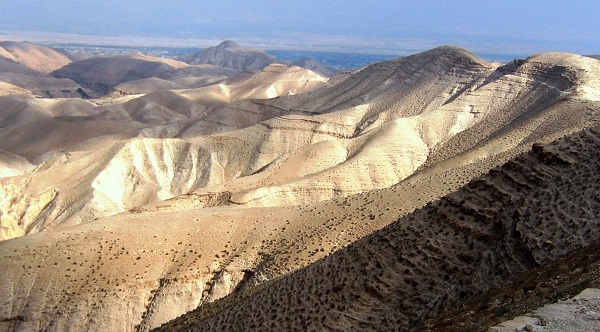
Open Matthew 4:1.
Why on earth would the Holy Spirit lead Jesus out into the wilderness to be tempted by the devil? Continue reading “The Spirit led Jesus to be tested? (Matthew 4:1)”
If you don’t understand who your enemy is, you fight the wrong people.
Open Matthew 4:1.
Why on earth would the Holy Spirit lead Jesus out into the wilderness to be tempted by the devil? Continue reading “The Spirit led Jesus to be tested? (Matthew 4:1)”
John the Baptist coined this term, as a way of contrasting his ministry with Jesus’. What did he mean?
Open Matthew 3:11-12.
What is baptism with the Holy Spirit? John said he baptized with water, but the coming king would baptize his people with Holy Spirit and fire. All later uses of this phrase refer back to John (except 1 Corinthians 12:13), so understanding what he meant is crucial to understanding the phrase. Continue reading “What is baptism with the Holy Spirit? (Matthew 3:11-12)”
Tom Wright’s message, “Entering the Advent Season Celebrating the Arrival of the King”
Open Psalm 72.
Tom Wright recently delivered a message describing this season as “celebrating the arrival of the king.” Great perspective!
Here it is, reblogged: Continue reading “Celebrating the arrival of the King (Psalm 72)”
What did God announce at Jesus’ baptism?
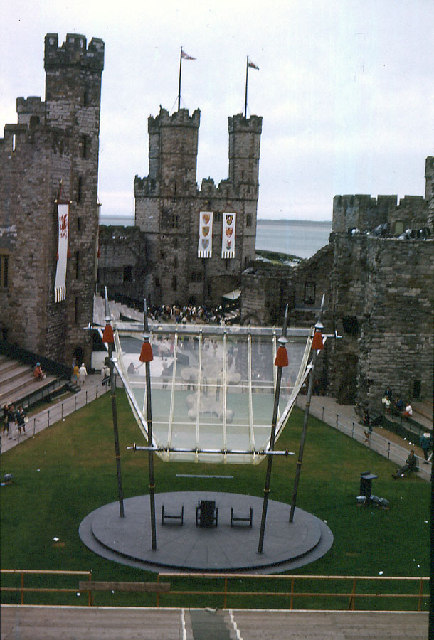
Open Matthew 3:16-17.
Imagine standing on the banks of the Jordan as Jesus surfaced, hearing a voice proclaiming, “This is my Son, the one I love, who pleases me.” What would that mean to you?
You would not have thought, “Just look at that! The Father called him the Son, and the Spirit descended on him. There must be a trinity!” That understanding didn’t come until much later. So how would a first century Jew have understood the heavenly announcement? Continue reading “Heaven’s proclamation of Jesus (Matthew 3:17)”
Why was Jesus baptized if he wasn’t guilty?
Open Matthew 3:13-16.
Why did Jesus need to be baptized? Others came confessing their sins (3:6). Jesus joined them. John refused, at least initially. Why did Jesus think he should be baptized to fulfil all righteousness (3:15)? Continue reading “Jesus’ priestly purification (Matthew 3:13-16)”
To become a king in the ancient world, you needed a prophet to declare that God had chosen you.
Open Matthew 3:7-12.
Politics and religion were so intertwined in the ancient world that if you wanted to become king (other than by birth), you needed a prophet to announce that you were God’s chosen leader. Samuel was the king-maker for Saul and David (1 Samuel 10:1; 16:13). Nathan anointed Solomon (1 Kings 1:34). There’s an awkward moment when Jeroboam takes most of the realm from Solomon, but it could not have happened unless YHWH decreed it, so Jeroboam had his prophet (1 Kings 11:29-40). Nehemiah’s enemies accused him of sedition, claiming he had lined up prophets to proclaim him king (Nehemiah 6:7). So if Jesus is to be the king of the Jews, he needs a prophet to announce him. Continue reading “A king announced by a prophet (Matthew 3:7-12)”
Christian baptism has its origins in John’s baptism, but why did John baptize?

Why did Jewish people come out to John to be “baptized by him in the river Jordan, confessing their sins” (3:6)? There’s nothing about baptism in the Old Testament. Sure, John would have been a curiosity: there were few prophets in living memory. But why did people take the plunge with John? Continue reading “Where did baptism come from? (Matthew 3:6)”
There’s a fascinating story behind John the Baptist’s life in the wilderness.
Open Matthew 3:1-6 and Isaiah 40.
He wasn’t a Baptist. Or a Protestant. But John the Baptizer certainly was a protester.
John shunned the benefits that human rulers provided to their towns: streets, markets, wells, walls, peace and security. He wouldn’t trade with them. His clothes were an anti-fashion statement, fashioned from whatever he scavenged — like hair from a dead camel. He survived on bush tucker — like grasshoppers and wild honey (3:4). Who knows where he took shelter from rain and wind. Continue reading “A voice in the wild (Matthew 3:1-6)”
The baby of Bethlehem becomes the nobody of Nazareth. The rescued becomes the rescuer.
Open Matthew 2:17-23 and Jeremiah 31:15.
Grief had always been at home in Bethlehem. Rachel died there, giving birth to Israel’s final son (Genesis 35:19). Maybe a parent would give her life so her children could live. But Rachel’s hopes were dashed as empires invaded, killing her children. Assyria decimated the tribes of her older son Joseph. Babylon crushed the remnant of Benjamin.
Jeremiah imagined Rachel weeping inconsolably as God’s promises fell apart:
Jeremiah 31:15 (NIV)
This is what the Lord says: “A voice is heard in Ramah, mourning and great weeping, Rachel weeping for her children and refusing to be comforted, because they are no more.”
Continue reading “An unknown from nowhere (Matthew 2:17-23)”
How can God’s kingdom ever be established when rulers like Herod will do anything go keep their power?
Open Matthew 2:16.
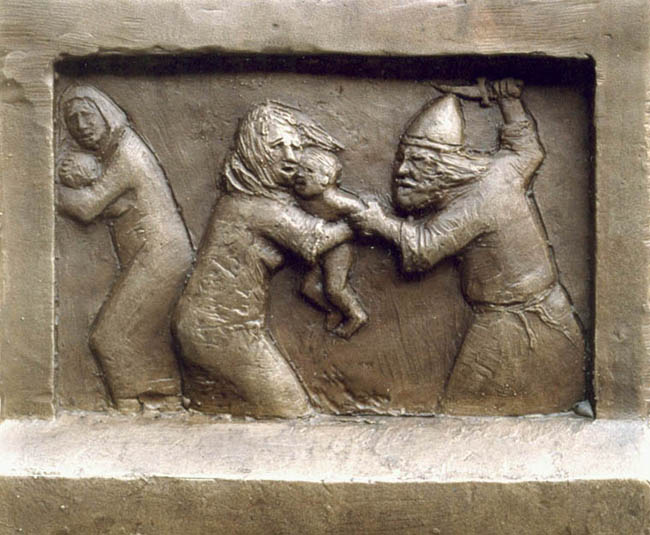
Beautiful. Tender. Vulnerable. Helpless. Disarming. How can anyone hate a newborn? How can an infant seem like a threat? You’d have to be power-crazed to kill a baby. Herod is. He executes all the baby boys in Bethlehem. There can be no rival “king of the Jews” (2:16).
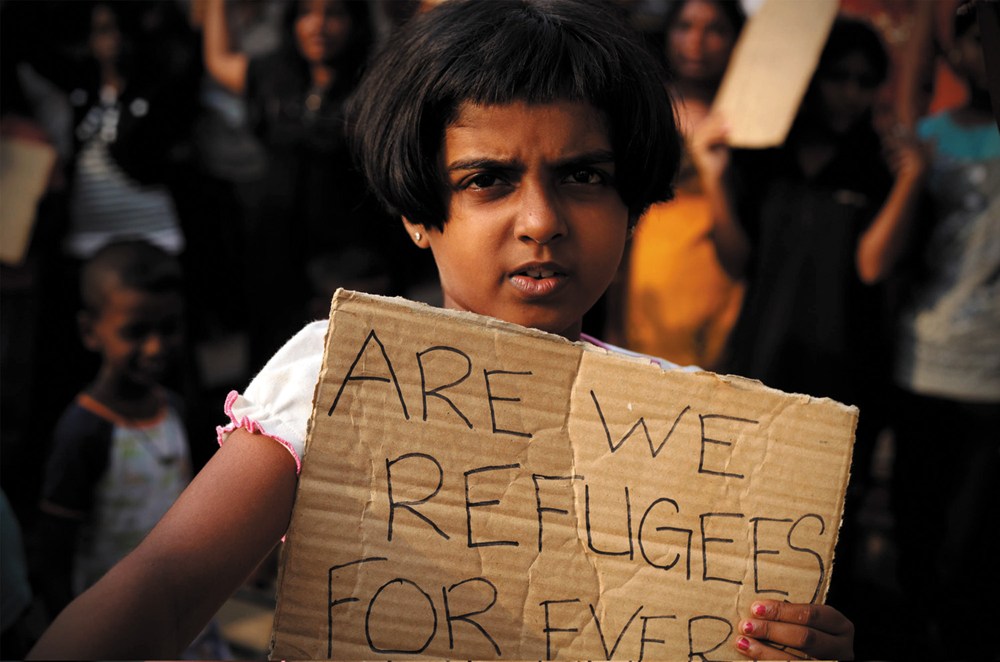
Herod’s acts are treason: he attempts to assassinate of the heavenly king’s heir. It’s part of the long-standing war over who rules the earth. On one side of this battle is the oppressor of God’s people, bearing down on them with the military might of Rome. On the other side is an infant bearing the promise of restoring heaven’s rule on earth. But how can a toddler stand up to a tyrant? Continue reading “God as asylum seeker (Matthew 2:16)”
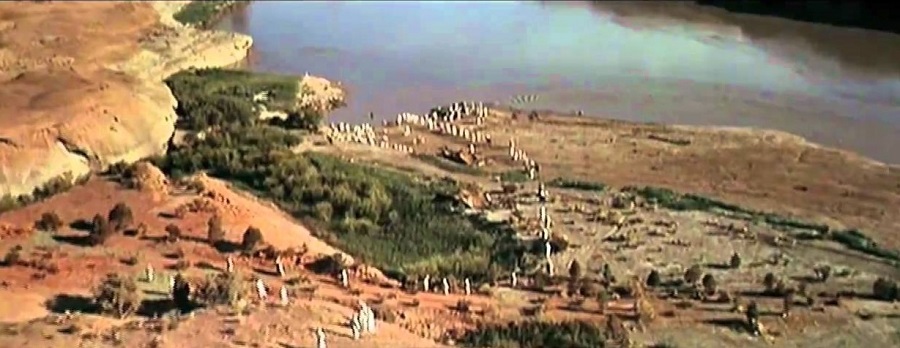
How can Matthew say that Jesus’ flight to Egypt fulfils Hosea 11:1? Hosea was talking about Israel’s exodus.
Open Matthew 2:13-15 and Hosea 11.
Matthew says Jesus fulfilled many Scriptures (1:22; 2:15,17, 23; 4:14; 5:17; 8:17; 12:17; 13:14, 35; 21:4; 26:54, 56; 27:9). But please read these before you claim that this proves Jesus was the Messiah. Some of these seem odd to us. Matthew 2:15 might be the most problematic:
Matthew 2:14–15 (NIV)
14 He got up, took the child and his mother during the night and left for Egypt, 15 where he stayed until the death of Herod. And so was fulfilled what the Lord had said through the prophet: “Out of Egypt I called my son.”
Matthew seems to say that Jesus went to Egypt to escape Herod, and then returned because Hosea predicted it. But when Hosea spoke of God’s son, he meant the nation of Israel: Continue reading “Jesus fulfils what? (Matthew 2:13-15)”
Persian astrologers came looking for Jesus? What do you make of that?
Open Matthew 2:1-12.
You’ve seen the Christmas cards. Three wise men. On camels. Following a star. Balthasar, Caspar, and Melchior — three kings of orient according to western tradition. So we build nativity scenes with a manger and kings and camels and shepherds and sheep and the donkey that carried the very pregnant Mary. There probably weren’t three wise men: their caravan would have been larger for safety’s sake. The Bible doesn’t say they rode camels either. We made up the bit about the donkey too.
And they weren’t “wise men.” Magi were originally a class of Persian priests who practiced astrology and other magic arts. In Daniel 2 (LXX) they’re bundled with enchanters and sorcerers as advisors to the king of Babylon. In Acts 13:6-8, a Cypriot ruler had a magos advising him, and Paul despised him. The word usually has negative connotations in Jewish literature—a trickster/deceiver. Matthew hints at that when he says that Herod was “tricked” by the magi (2:16). Continue reading “How did the magi find Jesus? (Matthew 2:1-12)”
Who was king of the Jews — Jesus, or Herod?
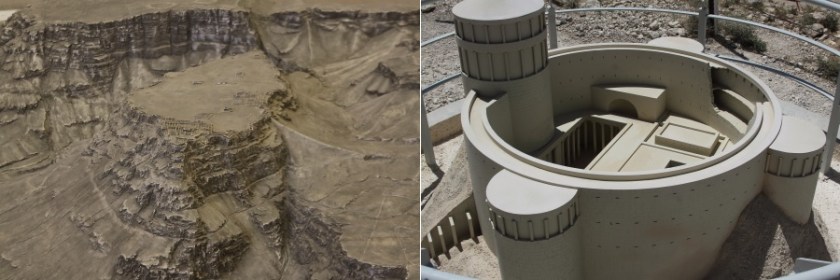
Open Matthew 2:1-12.
Mary, Joseph, wise men, shepherds, and perhaps angels. Ask people to name the key players in the Christmas story, and that’s probably what you’ll get. There’s someone else who doesn’t make our Christmas lists. That’s because we don’t read the Bible as a kingdom story. Continue reading “King of the Jews (Matthew 2:1-10)”
In what sense is Jesus the Immanuel child spoken of in Isaiah 7:14?
Open Matthew 1:18-25.
Matthew 1:22-23 (my translation)
22 This whole thing has come about to fulfil the word of the Lord through the prophet, 23 “See, the virgin will conceive and bear a son and they will call him Immanuel” which translates as “God-with-us.”
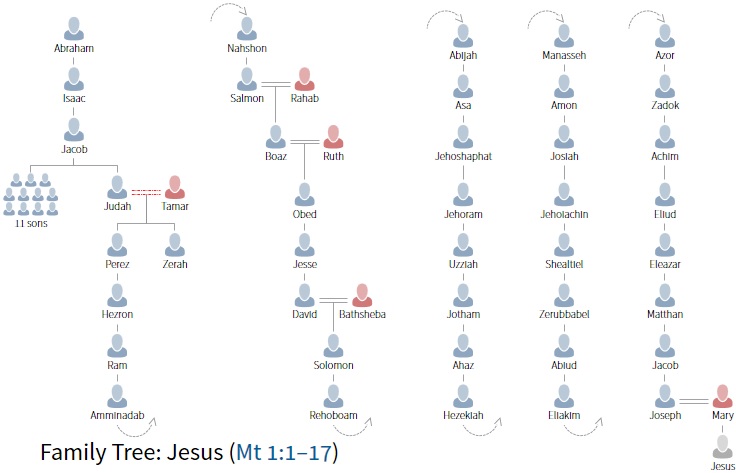
Slow down! There’s a significant message in that list of names at the start of Matthew’s Gospel.
Open Matthew 1:1-17.
Matthew would never win a creative writer’s award. His first chapter is about as interesting as a Jewish telephone book. Why would he start with a list of largely unfamiliar names? Continue reading “Why ancestry.com? (Matthew 1:1-17)”
The New Testament is not a stand-alone story. It’s the surprising plot twist that resolves the old kingdom struggle in a new way.
We’ve spent six months reading the first book of the Bible, showing the kingdom of God is the theme that binds the story together. We’ve seen why Jesus thought God-as-king was the central plot line. So I’ve been bursting to bring that understanding of the kingdom over from the OT into the New. Today we’re starting with Matthew’s account of the Gospel. Continue reading “Matthew’s main message”
Esau’s kingdom story is such a contrast to the kingdom God is establishing through Jacob.
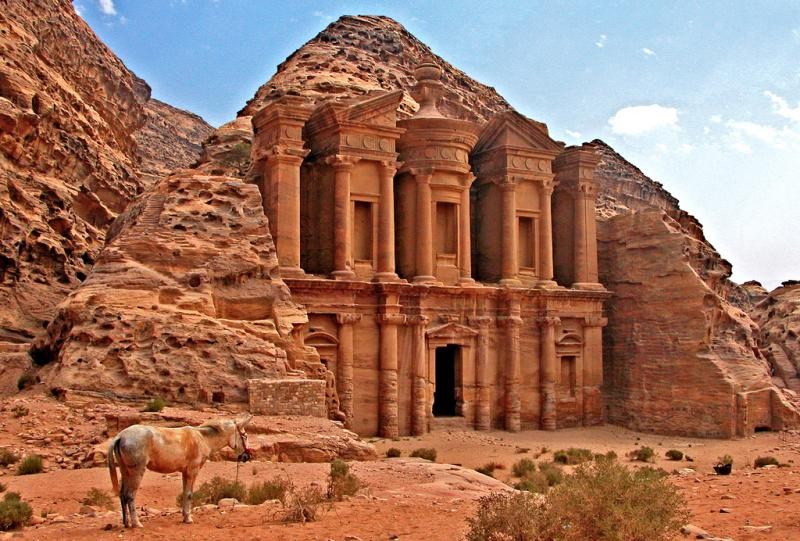
If you miss the kingdom perspective, you may wonder why Genesis 36 is in the Bible. It’s a repetitive jumble of names associated with Esau. Sure, Esau was Abraham and Sarah’s grandson; God promised them nations; and Esau has a nation. But there’s too much detail to just say that. Something else is going on. Continue reading “Esau’s ordinary kingdom (Genesis 36)”
Jacob is invited to live in God’s house (Bethel). How well do they do?
Bethel—literally God’s House—is where Jacob is invited to live. But if they are to live in the house of their heavenly sovereign, they must purify themselves. After the skirmish with the Shechemites, the smell of death is on them and their clothes. Among the spoils are idols and talismans. When these impediments are gone, they enter Bethel. The surrounding cities are too terrified to seek vengeance on these servants of the heavenly king (35:1-5). Continue reading “Jacob’s life in God’s house (Genesis 35)”
Dinah’s brothers defended her honour by killing the Shechemites. Were they justified in making a stand for righteousness?

Were Simeon and Levi justified in standing up for righteousness by killing the Canaanite prince who raped their sister, along with all his people? We’re examining how later Jews judged their actions. Continue reading “Were Simeon and Levi justified? (Genesis 34:30-31)”
Should God’s kingdom people enforce justice on the nations? Or should we just suck up the injustice? How do you respond to evil?
The unanswered question of Genesis 34 is how to respond to evil. Jacob’s family will be the agents of the kingdom of God in years to come, but how should they respond right now when a Canaanite prince rapes Dinah? Injustice remains a relevant question. Continue reading “How do we fight injustice? (Genesis 34:3-31)”







 Seeking the kingdom