Postcard from the Psalms

How lovely is your dwelling place, O Lord of hosts! (Psalm 84:1). What did that mean when they penned those words in Old Testament times? What does it mean for us as we receive their words today?

This podcast demonstrates how to hear the Psalms as inspired Scripture, first in their setting, then in ours. Apply this example to the other 149 Psalms, and see the whole book come alive in its original setting and in light of Christ.

Continue reading “Postcard from the Psalms”

Abram and this world’s rulers (Genesis 12:10-20)

What happens to God’s plans to save the world if we’re unfaithful? Abram’s encounter with Pharaoh has the answers.

God partners with Abraham to save the world. The flaw in God’s plan is God’s determination to partner with us. Haven’t we already seen that the world is unsustainable when humans are unfaithful to God? (Genesis 6:5-13)

What if Abraham is unfaithful? Won’t our unfaithfulness destroy what God is building through us? Won’t our unfaithfulness nullify God’s faithfulness? (Romans 3:3)

God’s whole kingdom project seems unstable:

Continue reading “Abram and this world’s rulers (Genesis 12:10-20)”

Kingdom: partnership with God (Genesis 12:1-9)

In calling Abraham, God begins the mission of restoring heaven’s reign to the nations of the earth.

The whole earth belongs under God’s sovereign authority, but the nations went their own way (Genesis 10) and the kingdoms tried to take over God’s world (Genesis 11). God responds by calling Abraham into partnership with himself.

God launches a different kind of kingdom. Genesis 12 is the bridge from the nations to God’s nation. Abraham is the bridge to a new world in partnership with divine leadership:

Continue reading “Kingdom: partnership with God (Genesis 12:1-9)”

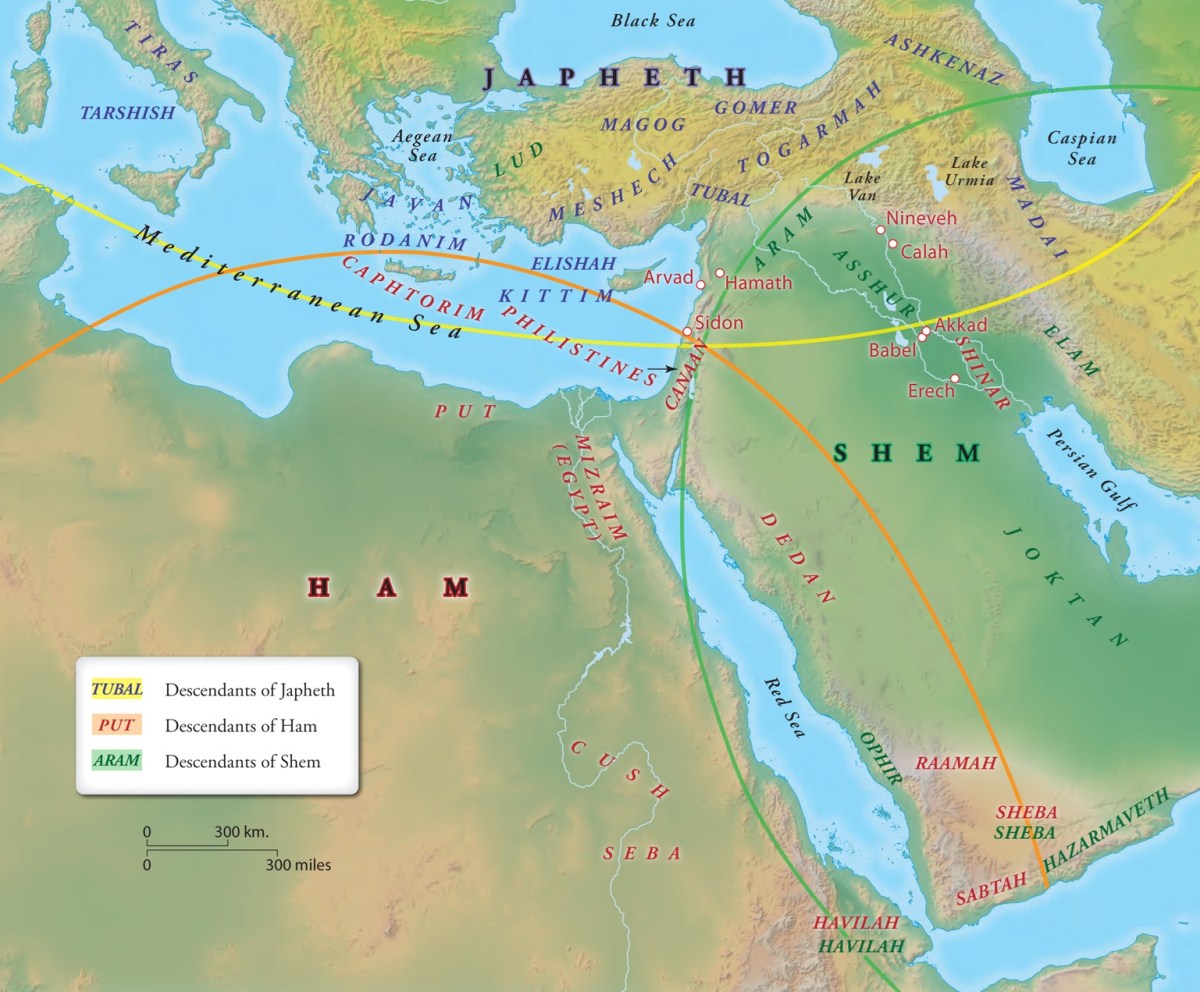
The nations (Genesis 10)

What’s the point of listing the nations in Genesis 10? It’s a big deal in the big story.

Chapter 10 is a new family story. We heard the tô·lē·ḏôṯ of Noah (6:9). Now it’s the tôlēḏôṯ of Noah’s sons (10:1, 32).

It’s about the nations descended from Noah’s sons. The nations go their own way, so God will call Abraham to establish a nation — a nation to restore the blessing that the nations are missing (Genesis 12:1-3).

Naturally, the list of nations only covers the nations Israel knew. There’s nothing about the cultures of ancient China or south America, nothing on the first nations of Australia. But don’t let that dimmish your appreciation for what Israel was doing by recognizing the other nations:

Continue reading “The nations (Genesis 10)”

The drunken leader (Genesis 9:18-29)

What should we make of Noah’s indiscretion?

How does Noah handle the additional responsibility God gave humans after the flood? Remember God gave us authority over the lives of others for the first time (9:6), while enshrining his own responsibility over us with a covenant (9:8).

Noah doesn’t handle it well:

Continue reading “The drunken leader (Genesis 9:18-29)”

God’s covenant with earth (Genesis 9:8-17)

What’s the significance of the Noah covenant?

God’s world has been ruined (Genesis 7), rescued (Genesis 8), and reconfigured (Genesis 9). After the flood, God addressed the matter of violence by giving humans authority over each other’s lives for the first time. If God handed over authority like that, has he abdicated?

Absolutely not! The heavenly sovereign clarifies that point by making a covenant with his earthly realm. God commits to keep reigning over us forever, regardless of how difficult we are to manage. That’s the point of the first covenant in Scripture.

Continue reading “God’s covenant with earth (Genesis 9:8-17)”

God reconfigures the world (Genesis 9:1-7)

Genesis 9 is effectively a new creation. As Noah emerges from his little preservation box after a year, he offers gifts in recognition of the Lord’s authority, and God affirms the order of creation (8:22).

So, what’s the same in this new creation, and what’s different? That’s what Genesis 9 is all about.

Continue reading “God reconfigures the world (Genesis 9:1-7)”

Ruined (Genesis 7)

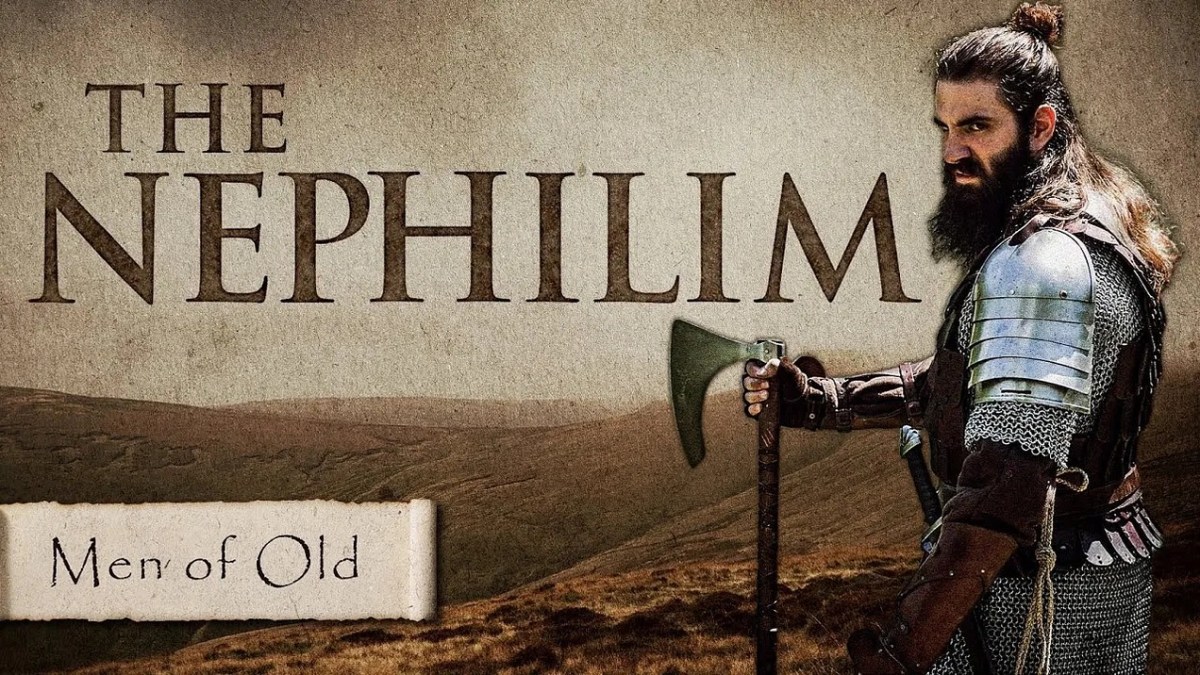
God’s partnership with humans broke down. Cain went out from God’s presence (4:16) to build a city that trusted violence for justice (4:23). The rest of Adam’s family (Genesis 5) exchanged God’s values for what seemed “good” to them (6:2), lauding the strong fighters, the heroes of old, the men of renown (6:4). They only thought about doing evil to each other (6:5). God grieved he had made humans (6:7), for the earth God entrusted to us was now corrupt, filled with violence (6:11).

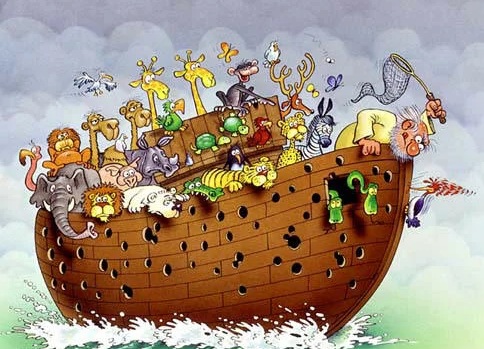
For God’s partnership with us to work requires at least one person. In Noah, God finds a way to rescue the earth. God saves Noah by teaching him to build a preservation box (ark), and Noah saves the creatures entrusted to human care (6:19) because Noah did everything just as God commanded him (6:22).

Genesis 7 then recounts the destruction of the world that God’s partners had already destroyed, and Genesis 8 describes the rescue of the earth.

Continue reading “Ruined (Genesis 7)”

Judging and saving a corrupted creation (Genesis 6:9-22)

Here’s the start of a new family story:

Genesis 6:9-10 (NIV)
9 This is the account [tôlēḏô] of Noah and his family. Noah was a righteous man, blameless among the people of his time, and he walked faithfully with God. 10 Noah had three sons: Shem, Ham and Japheth.

Christian readers have problems here. How can Noah be a righteous man? We know the verses that say no one is righteous (Psalm 143:2), and all our righteousness is as filthy rags (Isaiah 64:6). How can Noah be a righteous man? Was Noah blameless (without fault)?

More problematically, what kind of God kills all those people? If we think this is a children’s story, we haven’t understood the horror. This should be R-rated.

Continue reading “Judging and saving a corrupted creation (Genesis 6:9-22)”

Losing our identity (Genesis 6:1-8)

Why was there a flood in Noah’s day? Genesis introduces the story like this:

Genesis 6:1-2 (NIV)
1 When human beings began to increase in number on the earth and daughters were born to them, 2 the sons of God saw that the daughters of humans were beautiful, and they married any of them they chose.

Who does sons of God refer to? It is the human descendants in the image of God, as in the previous chapter? Or is it angels?

Continue reading “Losing our identity (Genesis 6:1-8)”

The family that trusts God (Genesis 5)

Genesis 5 is a new family story, in contrast to the community of Chapter 4 who went out from God’s presence and built a city dedicated to human honour and ingenuity, relying on violent superheroes to bring justice. We’re now turning to the family that relies on God to give life and calls on his name for their survival (4:26).

Continue reading “The family that trusts God (Genesis 5)”

Cain’s sin divides the world (Genesis 4:17-24)


Tragically, Cain’s sin divides the world. The Lord still reigns over the whole earth, but Cain’s mob are separated from those who live in the Lord’s presence.

They construct another culture, based on human achievement:

Continue reading “Cain’s sin divides the world (Genesis 4:17-24)”

How God deals with evil (Genesis 4:8-16)

Genesis 4:8 (NIV)
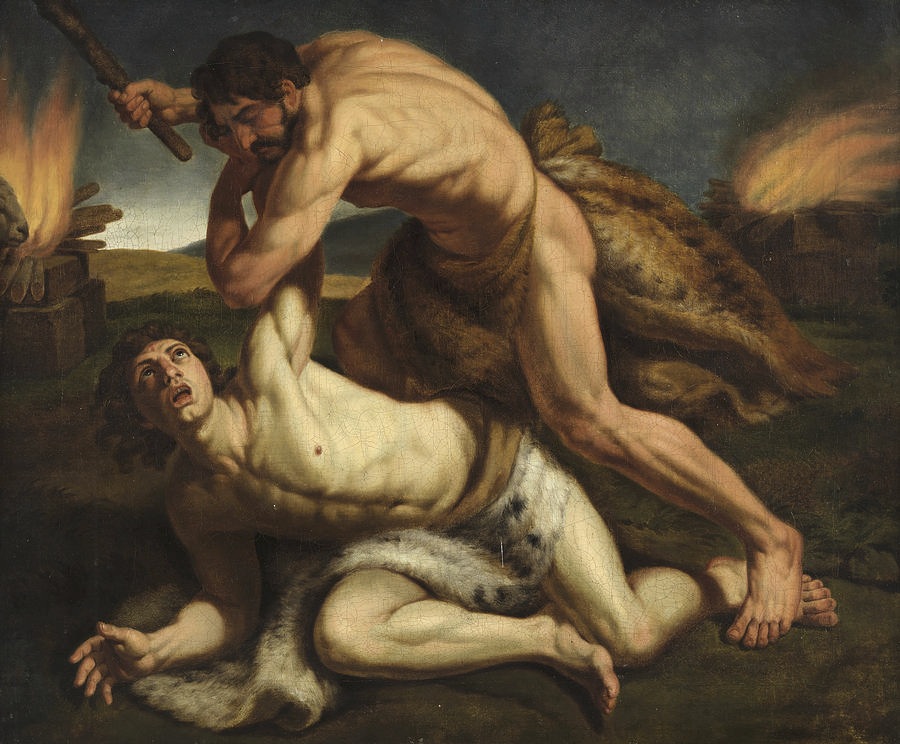
Now Cain said to his brother Abel, “Let’s go out to the field.” While they were in the field, Cain attacked his brother Abel and killed him.

Death is the ultimate destruction of our life. Death entered the world by disconnecting us from our Life-source. Cain sees it as a way to be rid of his rival. When we reject God’s perspective of good and evil to do what’s right in our own eyes, we don’t care what’s good for the other.

So who will make Cain pay for the murder? In these early chapters of Genesis, there’s no human government deciding whether people have done evil. God delegates that authority only after the flood (Genesis 9:4-6). God reigns directly, so God investigates Cain’s crime, just as God investigated the three rebels in the garden (3:9-19).

Continue reading “How God deals with evil (Genesis 4:8-16)”

The question of justice (Genesis 3:8-21)

The agents God trusted with caring for creation attempted a coup, to become gods, to define good and evil for themselves. How does God respond? God takes responsibility, but how God handles justice is not like what human rulers  do when someone threatens their authority.

God doesn’t react swiftly or violently. God doesn’t drop everything and rush to apprehend the rebels who betrayed the trust he placed in them. God waits. God invites them to discuss their relationship with them. God explains the implications of what they have done.

Continue reading “The question of justice (Genesis 3:8-21)”

The question of trust (Genesis 3:1-7)

If your Bible adds headings over the text, it probably labels Genesis 3 as “The Fall.” Theologians use that term to describe humans “falling” from their perfect state, becoming sinners subject to death. Christian theology of the fall is based on Paul’s letters (Romans 5:12-19; 1 Corinthians 15:21-46).

In reading Genesis 3, Christians often substitute “Satan” for serpent. We reason that it must have been the devil, because snakes can’t talk. We think humans fell because the devil tempted them. And in the Bible’s final book, that ancient serpent is identified with the devil or Satan (Revelation 12:9; 20:2).

But that approach misses the way the story is told in Genesis where it’s about the chain of command. Say you’re reading a spy novel and there’s a kidnapping in the first chapter. Later in the book you learn the kidnapper was working for a foreign power, aiming to destabilize the government, but you didn’t know that in the opening chapter. Let’s try reading Genesis 3 in its immediate context.

Continue reading “The question of trust (Genesis 3:1-7)”