What’s the value of God’s reign? (Matthew 13:45-46)

What would it be worth to have God reigning over us?

Open Matthew 13:45-46.

Did you hear the one about the art lover who found an original by someone she and her husband admired? She texted the details to get his opinion. Between meetings, he rushed back a reply, “No. Price too high.” But his fumbling fingers missed the full stop. The text she received read, “No price too high.”

Did you hear the one Jesus told about the pearl merchant? He found the one he’d been waiting for, the elusive pearl with flawless shape, glistening tone, and perfect lustre. He traded everything away to have the thing he’d been waiting his whole life to find.

For Jesus, God’s reign over the world is that one thing worth trading everything for. Like the pearl merchant you might recognize it as the thing you’ve been searching for. Or you may not have been searching; perhaps you just stumbled on it, like treasure buried in a field. Either way, when you see it for what it is — the possibility of everything on earth functioning as beautifully as it was designed to do — what value do you place on it? Continue reading “What’s the value of God’s reign? (Matthew 13:45-46)”

Discovering what counts (Matthew 13:44)

What’s your dream? And what will you do to get there?

Open Matthew 13:44.

What’s your dream? And what would you do to get it? Your honest answers to those questions reveal more about you than you realize.

Someone caught up in the first euphoria of love dreams of a beautiful life with that special someone, whatever it costs. The entrepreneur dreams of owning the Monopoly board, driven by a plan that just might give it to him.

But our best dreams are bigger than ourselves. Dreams like clean drinking water for Africa, empowering locals to transform Cambodia, or A21’s audacious vision to end modern slavery. Syrians dream of living in a country where they need not fear being shot, and some young Americans do too. Martin Luther King Jr still speaks, “I have a dream …”

The trouble with dreams is that the how is more difficult than the what. Continue reading “Discovering what counts (Matthew 13:44)”

What’s the Bible’s main theme?

What is the Bible about? What picture do you get when you put the pieces together?

Say your niece is reading The Chronicles of Narnia. You ask, “What do you think the story is about?” and she says, “I think it’s about the wardrobe.”

“What about the lion? Was the story about him?”

“Well he’s in the story, but the wardrobe is important. Don’t you see? That’s how you get in. That’s why it’s the final word in the title.”

You might wonder how much of the story she’s read. But how do you go about identifying the core theme of an extended story like Narnia, Lord of the Rings, or the Bible.

What is the Bible’s message? Is personal salvation the main theme? Or is that just the bit about how you get in? Continue reading “What’s the Bible’s main theme?”

Parables help us get our bearings (Matthew 13:34-35)

Wisdom: learning from where we’ve been, to end up in a better place.

So why did Jesus speak in parables? He was revealing divine plans that had been confidential since the world was founded.

That’s how Matthew’s community understood him, based on Psalm 78:2:
I will open my mouth in parables; I will utter what has been hidden since the foundation of the world (quoted in Matthew 13:35).

But why did they think that Psalm was about Jesus? Was it just because the Psalm used the word parable? Continue reading “Parables help us get our bearings (Matthew 13:34-35)”

Infecting the world with good (Matthew 13:33)

How is the kingdom of heaven like a woman baking bread?

There’s nothing like the smell of fresh bread in the morning. Flour, water, and yeast go in the bread maker in the evening, and in the morning the aroma of fresh bread helps you rise to a new day.

We have it so easy. Back in Jesus’ day they kneaded the dough by hand, kept aside some sourdough as leaven for tomorrow, waited for it to rise, punched it down again, waited some more, and then built a fire to bake it.

Jesus told a story about a woman who must have been baking for a party. She took her leaven and hid it in three big 8 kilogram batches of flour. How on earth is the heaven’s kingdom like that? Continue reading “Infecting the world with good (Matthew 13:33)”

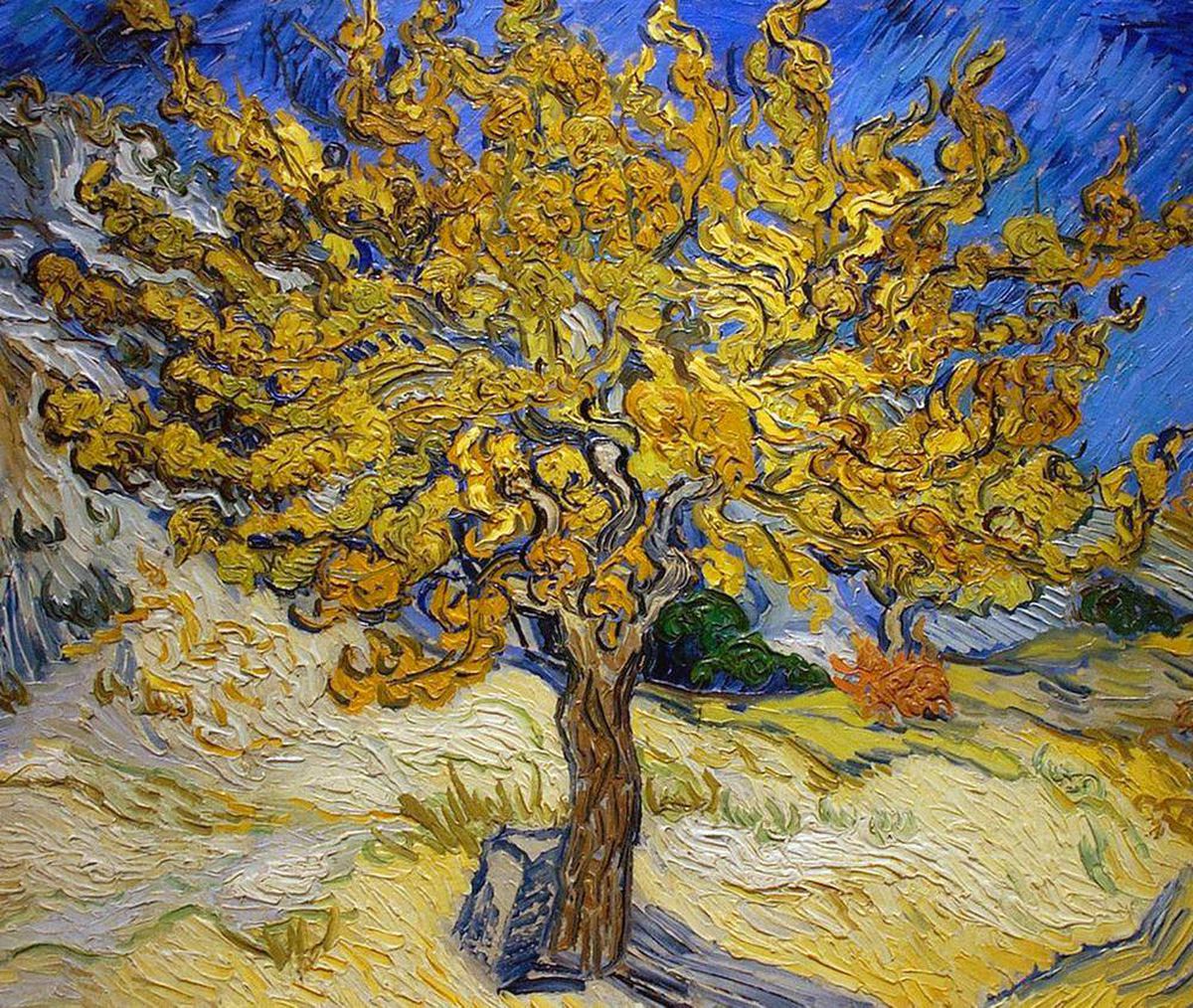
The little seed that filled the world (Matthew 13:31-32)

A few years back, our film crew sent this email from Israel:

Dear Allen. We’re trying to film a mustard tree, but our guide says mustard seeds only grow to be shrubs. We got some great shots of the mustard seeds, but now we’re stuck. Any ideas?

They were talking about these words from Jesus: Continue reading “The little seed that filled the world (Matthew 13:31-32)”

What about the weeds in God’s world? (Matthew 13:24-43)

How can God allow good and evil to coexist and not sort it out?

Open Matthew 13:24-43.

Jesus told some funny stories. The farmhands find weeds in the wheat field, so they ask if they should pull out the weeds. The farmer says, “I sowed good seed, so our enemy must have come and planted the weeds while we were all asleep.” Never in my life have I met a farmer who would jump to that conclusion!

Even funnier is the farmer’s response, “Nah! Leave all the plants growing in the field. We’ll sort them out at harvest time. If I let you lot pull out the weeds, you’ll pull out some of my wheat as well.”

There is no way Jesus could get a position at agricultural college if he gives that advice to his students. Why would he dream up such a story?

Continue reading “What about the weeds in God’s world? (Matthew 13:24-43)”

Calling all creatives (Matthew 13:10-17)

Why did Jesus teach in parables? Can his method inspire artists today?

Creatives know the struggle. How overt do you make your art? Do you feed people facts to change their minds, knowing the facts will drown in the data swamp? Do you inspire people with the seeds of what’s possible, knowing that most people won’t grasp your meaning?

There was a time I wished the Bible told it plainly. Just spell out what I must do instead of all that story and poetry. I was wrong, and Jesus knew it.

Jesus constantly went out on a limb, choosing the creative extreme. Not even his close friends understood his stories at times.

One day, they confronted him, “Why do you speak in parables?” Did you expect a straight answer? Here’s what he said:

Continue reading “Calling all creatives (Matthew 13:10-17)”

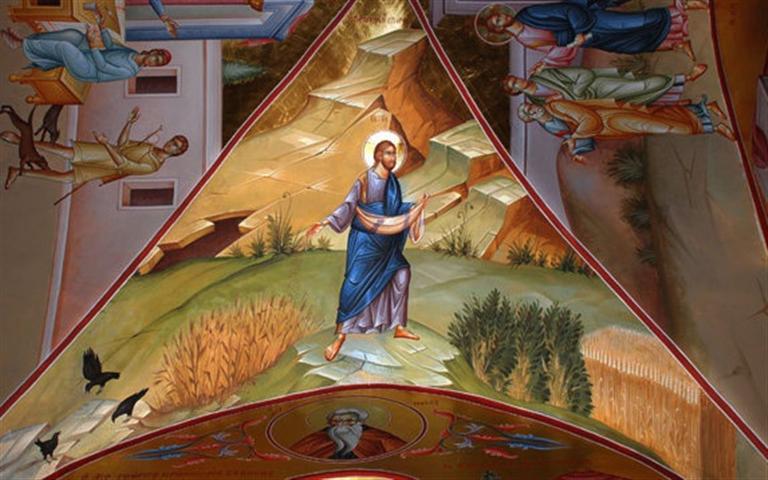
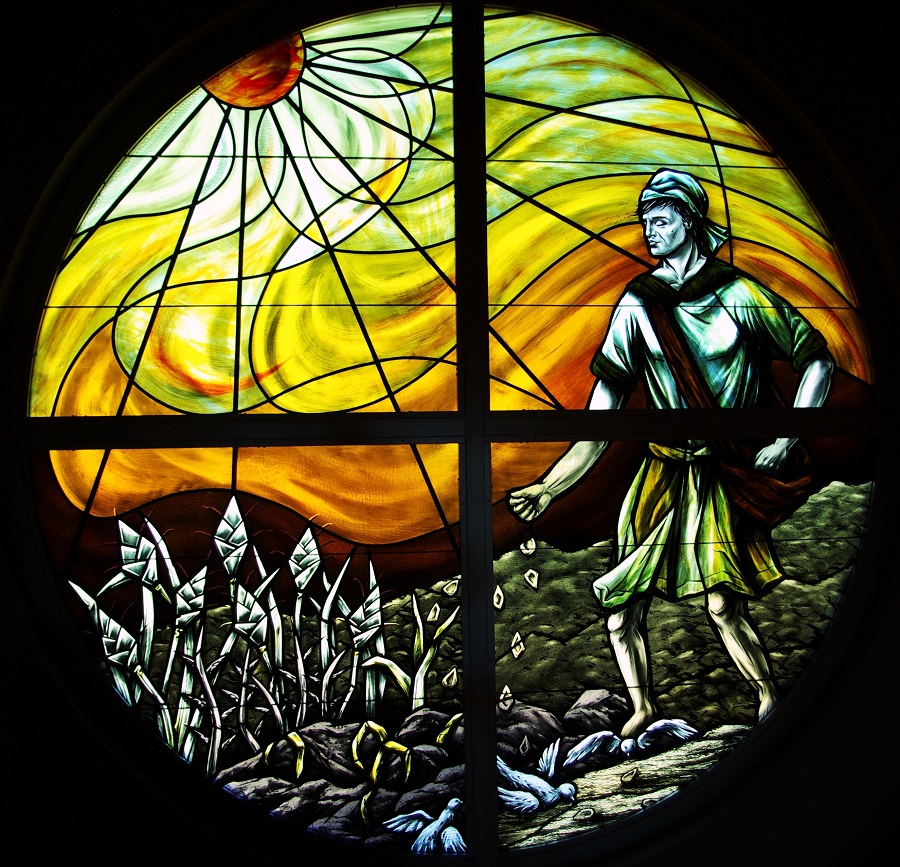
Who was the sower? (Matthew 13:1-23)

What’s the point of the sower parable? Is it about the soils, the seed, or the sower?

So what do you make of the sower parable? Is it a challenge to respond the way the good soil did? Don’t be like the hard path, or the shallow ground, or where things crowd out the word?

That’s okay as far as it goes, but it wasn’t what Jesus was saying. When he explained the parable, he didn’t say, “You are the soils, so make sure you’re the good one.” It wasn’t about you. It wasn’t even about the soils, although that was the setting of the story. The parable was about the sower and his sowing.

Continue reading “Who was the sower? (Matthew 13:1-23)”

Parables of the king (Matthew 13)

What’s a parable, and why did Jesus use them?

Open Matthew 13.

Like an otter, but with a bill like a duck. If you don’t know what a platypus is, comparisons can help.

Even if you do know what something is, comparisons change how you think of it. “Listening to gossip is like eating cheap candy; do you really want junk like that in your belly?” (Proverbs 18:8 Msg).

Jesus was famous for his parables, similitudes that describe one thing as like another. Sometimes the comparison was a single sentence; other times he spun a yarn with intrigue.

Matthew pulls seven or eight of his parables together in chapter 13. They’re drawn from everyday life: farming, baking, gardening, buying, selling, fishing, entertaining. But they’re all about the same thing. Can you guess? Continue reading “Parables of the king (Matthew 13)”

The naughty child story

How does Jesus’ gospel differ from the way we present the gospel today?

Jesus announced good news. He was good news because he restored God’s kingship (Matthew 4:23; 9:35; 24:14). He was good news for those who’d missed out (11:5). He was good news for the whole world (26:13).

To announce the gospel is to announce Jesus — God’s anointed ruler (Christ), Son of the heavenly sovereign (Mark 1:1). The way Jesus told it, proclaiming the gospel sounds like this: “It’s time! God’s reign has arrived! Turn to his authority! Place your trust in the good news!” (Mark 1:14-15).

Unfortunately, that’s not the gospel presented by many Evangelical/Charismatic churches today. What passes for the gospel sounds more like the story of a naughty child.

It goes something like this: Continue reading “The naughty child story”

What difference does the resurrection make?

How does Jesus’ resurrection make a difference for humanity?

Open Ephesians 2:5-6.

The resurrection is the moment in history when everything changed, for everyone.

Jesus was not the first to be put to death unjustly. That kind of thing happens every day. One of Judah’s kings is said to have filled Jerusalem with innocent blood (2 Kings 21:16).

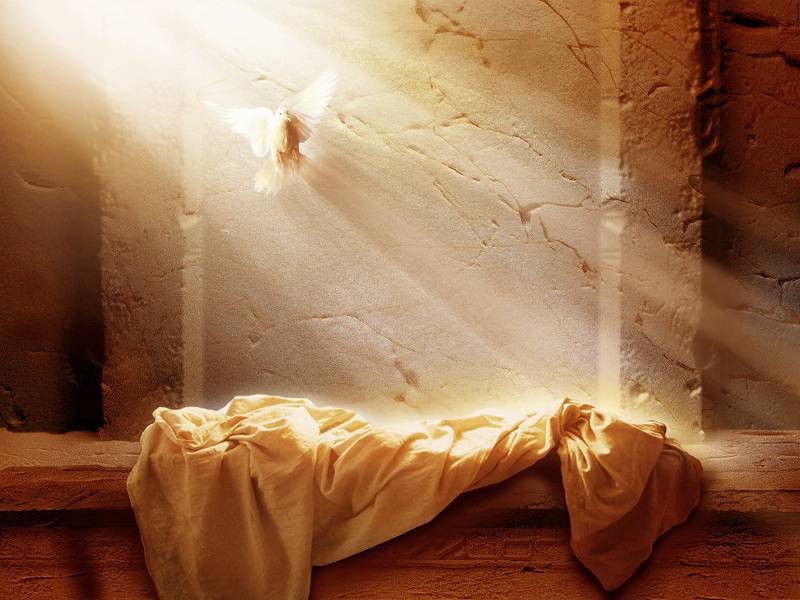
What was unique in Jesus’ case was what happened three days later. When they went to wrap his dead body with spices, it wasn’t there. God had intervened. Earthly courts had authorized his execution, but a higher court exonerated him and restored him. Continue reading “What difference does the resurrection make?”

Journey to joy (Good Friday)

When God experienced our pain, he was restoring our joy.

There’s the grief you feel when you hoped your team would win, and they lost.

Then there’s deep grief — the grief you feel when you lose someone.

Jesus’ disciples faced that grief. They expected him to save the world. Jesus had a brave agenda for a new world, an agenda that challenged the people in power.

They expected a showdown, but they didn’t expect Jesus to lose. They didn’t expect him to lose his life.

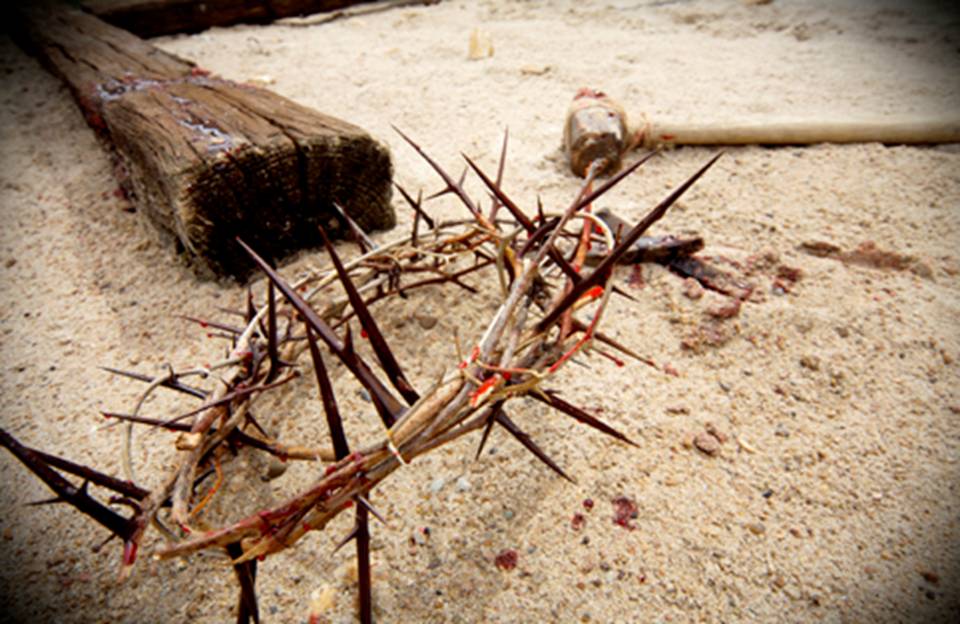
Continue reading “Journey to joy (Good Friday)”

Belonging to the royal family (Matthew 12:46-50)

If the king says so, you have a place in his family.

Joseph was absent from Jesus’ adult life, so responsibility for the family fell to the oldest son. Jesus was firstborn, but he’d been travelling instead of looking after his family.

Suddenly they turn up: Continue reading “Belonging to the royal family (Matthew 12:46-50)”

Worse off with Jesus? (Matthew 12:43-45)

Can a generation be worse off if it refuses to follow Jesus?

Open Matthew 12:43-45.

Jesus’ contemporaries called him Satan’s servant — one who pretended to release people, but actually made their oppression worse (12:24). After pointing out the flaws in their logic (12:25-29), he offered them a royal pardon for their insult. But he warned that they would have no release if they resisted God’s Holy Spirit (12:31-32).

He went on to describe how their situation would worsen if they rejected his leadership. Listen to this parable: Continue reading “Worse off with Jesus? (Matthew 12:43-45)”

Jesus’ most overt kingship claim (Matthew 12:42)

Did you know that Jesus claimed to be greater than the greatest king Israel had ever had?

Open Matthew 12:42 and 2 Chronicles 9.

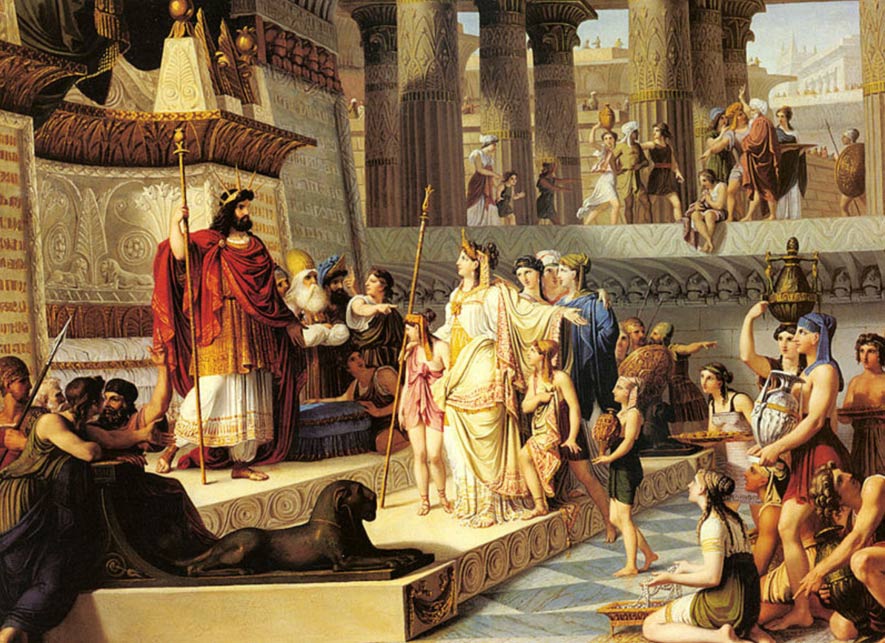
Jesus was the king anointed to restore God’s reign on earth. That message was often so subtle that we miss it, but there was this time when he made an astounding claim to kingship. Continue reading “Jesus’ most overt kingship claim (Matthew 12:42)”

How Jonah inspired Jesus (Matthew 12:38-41)

How did Jonah’s story help Jesus pursue his mission?

Open Matthew 12:38-41 and Jonah 2.

Why did Jesus compare himself to Jonah? How could Jonah’s story have inspired Jesus and helped him understand his mission? Continue reading “How Jonah inspired Jesus (Matthew 12:38-41)”