On grace: John Barclay, “Paul and the Gift” (book review)

“A gift can be unconditioned (free of prior conditions regarding the recipient) without also being unconditional (free of expectations that the recipient will offer some ‘return’).”

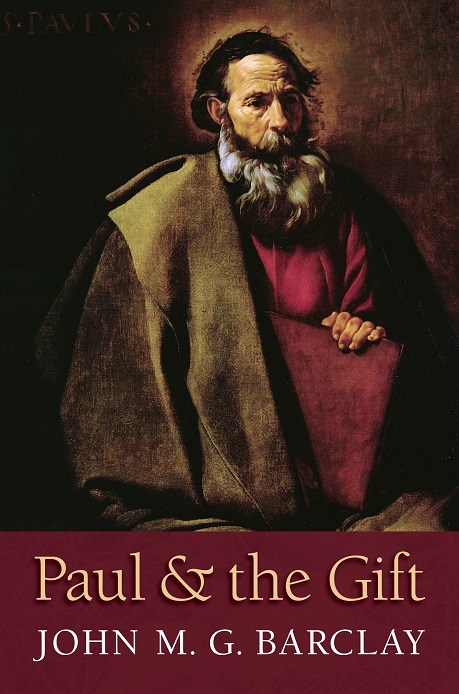
The word “grace” encapsulates so much of the gospel, so I was blown away by John Barclay’s masterful study of this word: Paul and the Gift, published by Eerdmans in 2015. It’s big (672 pages), pricey (US $55), and academic, though at the time of this review it was available on Kindle for US $4.50.

If you just want a concise summary, choose Barclay’s Paul and the Power of Grace (Eerdmans, 2020, 200 pages). For me, the larger book was worth the effort. It’s a superb example of how to pursue a word study: I learned as much from his method as his content. Continue reading “On grace: John Barclay, “Paul and the Gift” (book review)”

Christ and the rulers of this world

How does seeking God’s kingdom affect the way we relate to existing rulers?

Some of my conservative friends worry about me. They fear that seeking the kingdom will make me a “leftie,” advocating for social change. They remind me Australia is a great place to live, with a Christian prime minister, who’s doing a good job with the Covid-19 lockdown. Surely, we all need to pray for him and support him as God’s man?

I’ve disappointed my radical friends too. I’m seeking the kingdom, but they don’t see me pushing for social change. They fear if we don’t call out the systemic injustice, nothing will change. They remind me how inhumanely Scott Morrison treated people seeking asylum when he was immigration minister. Surely, we must disrupt the way things are if we are to have a better society, a kingdom of God? Continue reading “Christ and the rulers of this world”

Why doesn’t the Bible condemn bad rulers? (Ephesians 6:12)

The gospel is the history-making proclamation that God’s chosen leader is running the world.

I can’t imagine what it might be like to live through a civil war, where brothers tear each other apart for power. “Civil war” is a euphemism: there’s nothing civil about war.

That’s why Christians must be so careful how we play out the biggest conflict of all time, the battle for who runs the planet. We have a gospel that proclaims the restoration of God’s reign (Ephesians 1:3-14), with God’s anointed on the throne (1:15-23). For the people who’ve been oppressed under evil, that’s liberating news (2:1-10), the end of conflict, the establishment of global peace in God’s Christ (2:11-22). Continue reading “Why doesn’t the Bible condemn bad rulers? (Ephesians 6:12)”

The world is God’s kingdom (podcast) (Genesis 1–11)

If you grew up thinking of the Bible’s opening chapters as a collection of disconnected stories (a creation, a fall, a murder, a flood, a Babel tower), you need to hear this podcast (38 minutes).

The first eleven chapters of Genesis set up the plotline for the Bible’s whole narrative. The intrigue of this story puts a Gresham novel in the shade.


Previous podcasts:

For related posts on Genesis 1-11, see the Scripture Index.

Sword of the Spirit (Ephesians 6:17)

The Spirit’s sword isn’t for cutting people down; it’s for cutting them free.

The final piece of armour is the sword of the Spirit. It’s described as the word of God, so some of us have thought of it as the Bible. That’s not how the Ephesians would have understood it when they received this letter: they didn’t have Bibles.

The word of God is everything our heavenly sovereign decrees for his earthly realm. What God declares is a sword because cuts it through any opposing force. Continue reading “Sword of the Spirit (Ephesians 6:17)”

Using God’s armour (Ephesians 6:13-17)

How does God’s armour help us survive?

The final section of the Ephesian letter explains how we’re to live as the kingdom of God in a world where not everyone recognizes Jesus’ kingship yet. Those who claim to have power don’t relinquish it easily, so it’s a volatile conflict. That’s why we need armour. Continue reading “Using God’s armour (Ephesians 6:13-17)”

When did God wear armour? (Ephesians 6:11)

Armour of God? When did he wear it?

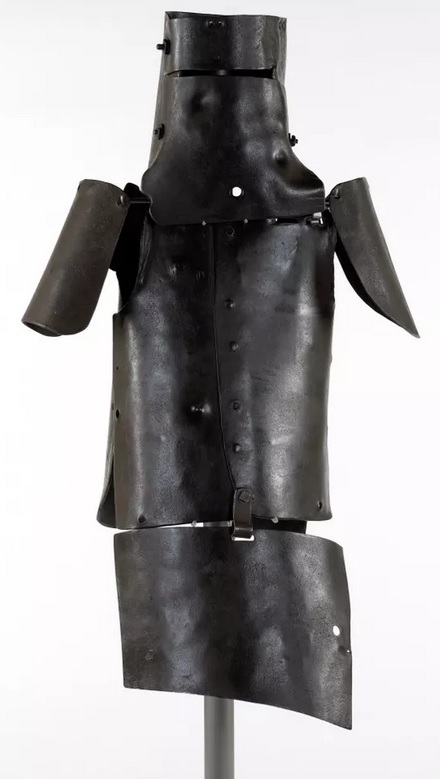
The armour of God: something God provides for us, or something God himself wears?

Isaiah 59:17 describes the Lord putting it on:
He put on righteousness as his breastplate,
and the helmet of salvation on his head.

When did God put armour on? Understanding how God used it might help us to use it too.

Continue reading “When did God wear armour? (Ephesians 6:11)”

Why I’m seeking the kingdom (podcast)

What’s your goal? What are you seeking as you get out of bed each day?

In this podcast (18 minutes), I share the reason I’m alive, what my life means now.

Life can come and go if we don’t set our priorities. For Jesus, the priority was the kingdom of God. It’s the thing he told us to seek first.

Why was the kingdom the heart of everything for Jesus? What difference does it make if we prioritize it too?


Previous podcast: Shaking the chains at Philippi (Acts 16:16-40)

Related blog posts: see Rationale.

The armour of God (Ephesians 6:10-17)

How useful is this old armour? Depends who you’re fighting.

Defence is a big deal. Globally, we think it’s worth $1.8 trillion dollars each year.

When Christians talk about putting on a breastplate and helmet, taking up a sword and shield, it sounds pretty lame against piloted drones and guided missiles. Do you think technology is wiping out Christianity?

Truth is, the Christians’ armour would have sounded lame in the first century too. Rome was the superpower of their world, and the Romans soldiers were legendary at supporting Caesar’s reign. For any community to support another king was suicidal.

Yet, Christians were openly proclaiming that God had set someone else on the throne, “far above all rule and authority, power and dominion, and every name that is invoked” including Caesar’s (Ephesians 1:21). The gospel — the good news that Jesus is Lord and reigns over all nations — placed Christians at loggerheads with the existing authorities. Caesar also described himself as good news for the world, its lord, and saviour of its people.

Continue reading “The armour of God (Ephesians 6:10-17)”

Why doesn’t the Bible condemn slavery? (Ephesians 6:5-9)

Why does the New Testament accept slavery, when treating another person as property is inhuman?

Ephesians 6 5 Slaves, obey your earthly masters with respect and fear, and with sincerity of heart, just as you would obey Christ. (NIV)

Why require slaves to live in a way that falls far short of the kingdom of God, a society where everyone treats each other the way God treats us in Christ? Ultimately, injustice must yield to Christ’s reign, so why doesn’t the New Testament call us to speak out against institutionalized systemic injustice?

In the big arc of the Bible’s narrative, slavery is wrong. The Bible begins with humans equal under God (Genesis 1:26-27), and the first time slavery appears it’s labelled as a curse (Genesis 9:25). The Bible concludes with the powers of evil falling, when avarice ceases and no longer are “human beings sold as slaves” (Revelation 18:13).

So why doesn’t the New Testament call God’s people to condemn slavery? The tough questions are our friends, friends that challenge and reshape our understanding.

Let’s see if we can make sense of what Paul’s saying by examining what he did. Continue reading “Why doesn’t the Bible condemn slavery? (Ephesians 6:5-9)”

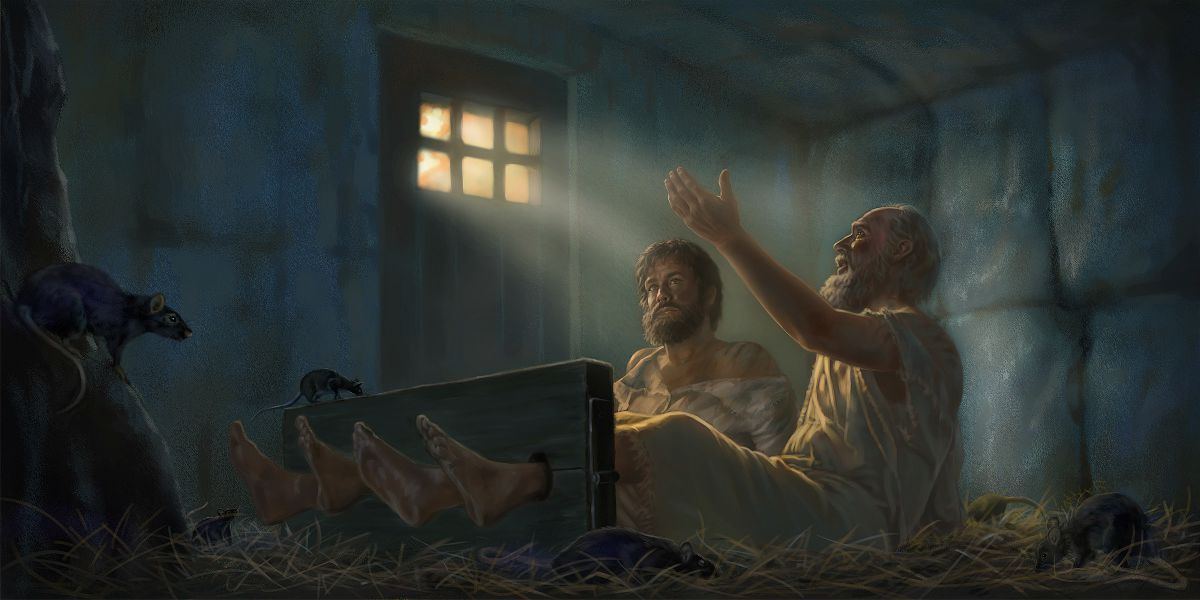
Shaking the chains at Philippi (podcast) (Acts 16:16-40)

While you’re keeping healthy at home, here’s some good news. You can now find a podcast here each weekend.

These podcasts reframe familiar Bible passages as stories of the kingdom. Here’s the first one.

Remember that time Paul and Silas were singing at midnight and their chains fell off? What does that mean to you?

This podcast (18 minutes) describes the event as a clash of kingdoms.


Next podcast: Why I’m seeking the kingdom

Responding to the good news

Our survey of the apostle’s gospel in Acts summarized the good news like this: God has installed his anointed (Christ) as our leader (Lord) by raising him from the dead (resurrection), so the earth is under his governance (the kingdom of God).

What response does God expect to this good news?

God expects our allegiance to his Christ, reorienting our lives as the community that implements his leadership. This kingdom perspective provides a rich understanding of the terms that describe our response, words like faith and repentance. Continue reading “Responding to the good news”

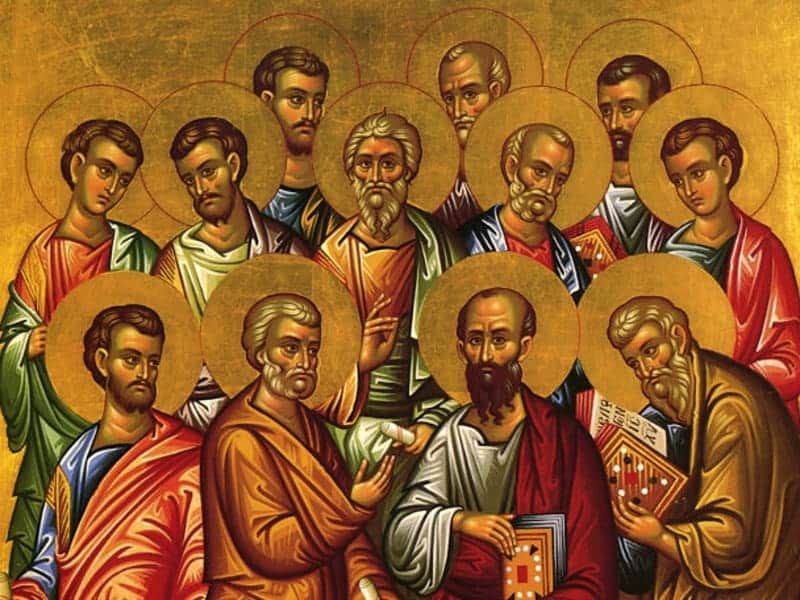
The apostles’ gospel explained

In our previous post (the apostles’ gospel), we surveyed 16 samples of the gospel in Acts. What phrases did you find recurring?

The heart of the apostolic gospel is a person: Jesus. They used these phrases to say Jesus is good news:

  • Jesus is the Christ (Messiah)
  • Jesus is Lord
  • Jesus is resurrected
  • Kingdom of God

Are those the phrases you would use to explain the gospel to someone? How are these four things the gospel?

Let’s enrich our understanding of the gospel by unpacking what the apostles said. It turns out to be the same gospel Jesus announced.

Continue reading “The apostles’ gospel explained”

The apostles’ gospel (Acts)

A quick survey of the good news announced by the apostles in Acts.

Here’s an interactive study for you or your small group. We scan the Acts of the Apostles, asking “What was the gospel they proclaimed?”

Below are 16 texts that summarize their message. Print the list (or use a notes app) to jot down the key phrase in each one. We’re not asking how they asked people to respond; just the content of the good news the apostles proclaimed. Continue reading “The apostles’ gospel (Acts)”

Supporting families during lockdown

So what’s it like at your place during the lockdown? Too quiet? Too noisy? Bored kids? Angry adults? Binged the whole series already? Missing friends? Missing income?

The goal is to keep safe at home, but home is not a safe place for everyone. Our tensions are stretched by fear. If your place is fine, spare a thought for those who are struggling. One in four Australian women has experienced physical or sexual violence by an intimate partner. For men it’s about one third that rate. So, if your church has 200 adults, 33 of them will have experienced partner violence. Know who are they are? How are they doing? Continue reading “Supporting families during lockdown”

Discovering church while there’s no church

What can we do while we can’t go to work, can’t go to church, can’t go to the gym, can’t go out with friends? It’s not just the activities we miss; it’s the meaning we find in sharing life. So, what meaning can we find while we can’t get together?

Continue reading “Discovering church while there’s no church”