
This podcast (43 min) covers the topics blogged from Genesis 6:
Category: Sin
Losing our identity (Genesis 6:1-8)
Why was there a flood in Noah’s day? Genesis introduces the story like this:
Genesis 6:1-2 (NIV)
1 When human beings began to increase in number on the earth and daughters were born to them, 2 the sons of God saw that the daughters of humans were beautiful, and they married any of them they chose.
Who does sons of God refer to? It is the human descendants in the image of God, as in the previous chapter? Or is it angels?
Podcast: Genesis 4

This podcast (33 min) covers the topics blogged from Genesis 4:
Cain’s sin divides the world (Genesis 4:17-24)

Tragically, Cain’s sin divides the world. The Lord still reigns over the whole earth, but Cain’s mob are separated from those who live in the Lord’s presence.
They construct another culture, based on human achievement:
Continue reading “Cain’s sin divides the world (Genesis 4:17-24)”
How God deals with evil (Genesis 4:8-16)

Genesis 4:8 (NIV)
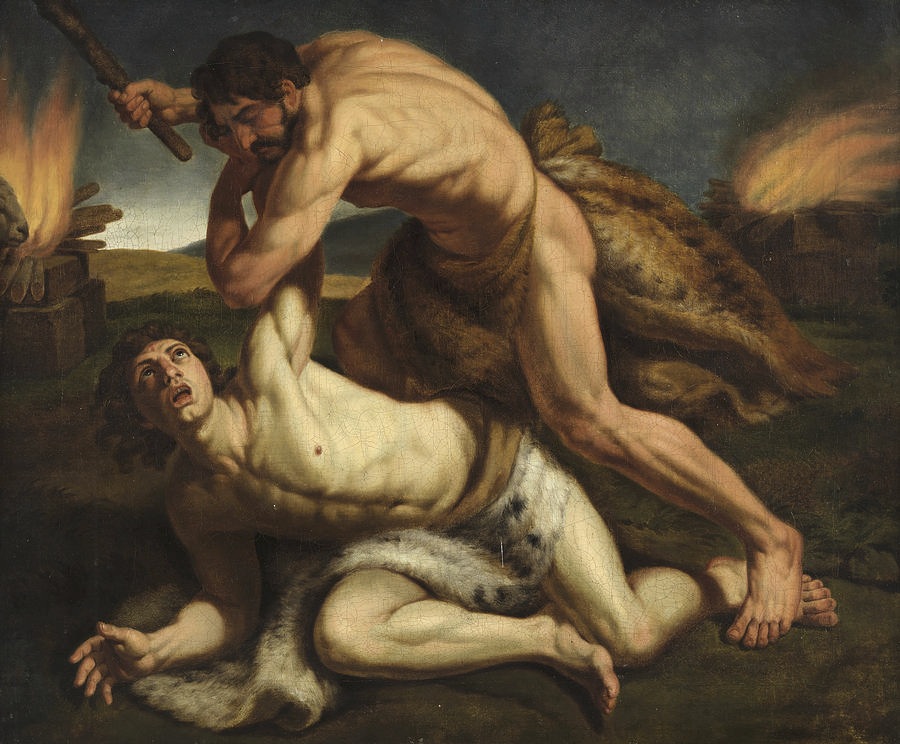
Now Cain said to his brother Abel, “Let’s go out to the field.” While they were in the field, Cain attacked his brother Abel and killed him.
Death is the ultimate destruction of our life. Death entered the world by disconnecting us from our Life-source. Cain sees it as a way to be rid of his rival. When we reject God’s perspective of good and evil to do what’s right in our own eyes, we don’t care what’s good for the other.
So who will make Cain pay for the murder? In these early chapters of Genesis, there’s no human government deciding whether people have done evil. God delegates that authority only after the flood (Genesis 9:4-6). God reigns directly, so God investigates Cain’s crime, just as God investigated the three rebels in the garden (3:9-19).
Cain, Abel, and the fight against sin (Genesis 4:1-7)
We’re no longer in God’s royal garden, but we’re still under God’s governance. Despite the unsuccessful coup, God’s providence remains:
Continue reading “Cain, Abel, and the fight against sin (Genesis 4:1-7)”
The faith of Abel (Hebrews 11:4)
A fresh take on Abel’s faith.

There’s no shortage of sermons and podcasts on faith, on how to receive by faith, or how to protect ourselves with the shield of faith. But do you recall any sermons on the faith of Abel?
Who wants to follow in Abel’s footsteps? Whatever faith he had, it didn’t end well for him.
I did find a message where Abel’s faith tops the list. Abel is the prime example in Hebrews 11:
4 By faith Abel brought God a better offering than Cain did. By faith he was commended as righteous, when God spoke well of his offerings. And by faith Abel still speaks, even though he is dead.
Didn’t Cain win that one? Why start a faith message with the loser? What was different about Abel’s faith?
Original good (Genesis 1–4)
Why do we start with “original sin” when the Bible starts with “original good”?

There’s more than one way to tell a story. Theology has its jargon. It often starts with original sin, the result of the fall. These aren’t phrases from Scripture, though Paul does say that one person got us into trouble and one person can get us out (Romans 5:12; 1 Corinthians 15:21).
I love the Christological focus at the heart of everything Paul writes, but Genesis doesn’t use our theological language for Adam’s story. It doesn’t start with original sin. In fact, the first three chapters don’t mention sin at all. It talks about good. A lot. Fifteen times.
Genesis starts with original good. What would change if we told our story this way?
Let’s see how Genesis inspires us to understand the good world and our place in it.
Why sin is not “missing the mark” (Genesis 40:1)

Does this sound odd to you?
Genesis 40:1 (a literal translation)
After these things, it transpired that the cupbearer of the king of Egypt and his baker sinned against their lord, the king of Egypt.
We speak of sinning against God, but in Hebrew, you can sin (ḥā·ṭāʾ) against others too. It got me wondering whether our understanding of sin matches what the Bible says.
I was taught that ḥā·ṭāʾ means “to miss the mark.” That’s in the lexicons (HALOT, 305). But dig deeper and it doesn’t hold up. The 16-volume Theological Dictionary of the Old Testament says:
Continue reading “Why sin is not “missing the mark” (Genesis 40:1)”
Who makes God happy? (podcast) (Luke 15)

Who makes God happy? The sinners? The righteous? What do you think?
Jesus answered that question with three stories. We love the parables: the lost sheep, the lost coin, the lost (prodigal) son. But did we hear the answer he gave?
Brian Houston’s scandal
The founder of Hillsong in moral trouble.
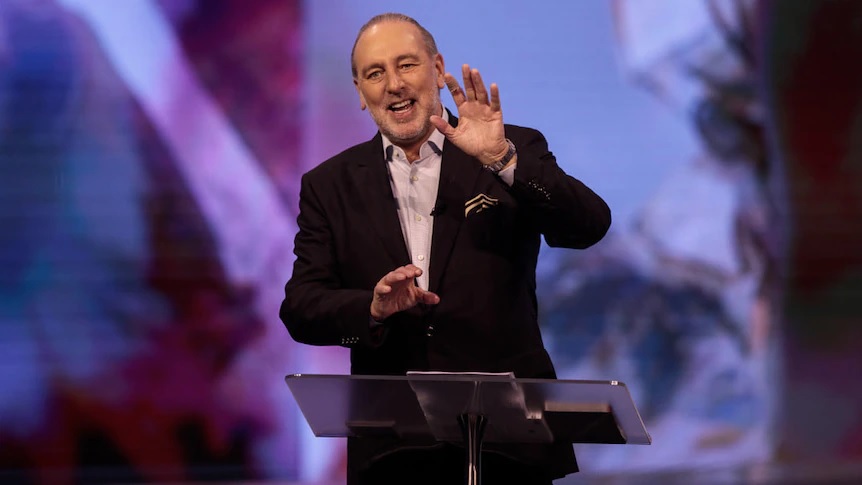
Australian media are reporting that Brian Houston (Hillsong founder) committed ‘indiscretions’ towards two women, quoting a statement from Phil Dooley (current leader) to Hillsong staff this morning. While Brian isn’t the first church leader to face allegations like these, he is well known in the Australian church and in other parts of the world.
Which Jesus do you want? (Matthew 27:15–26)
“Jesus Barabbas? Or Jesus called Christ?” What’s your response to Pilate’s question?
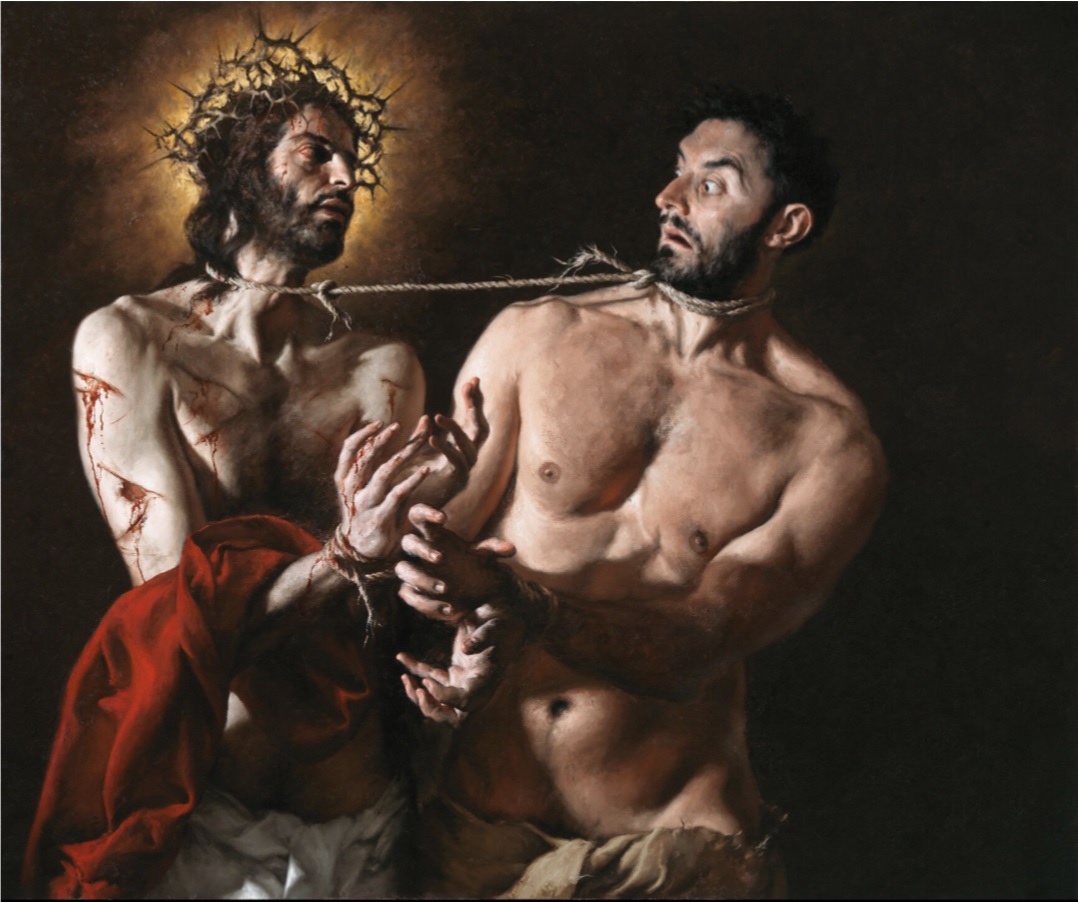
The governor was not convinced Jesus had done anything deserving death (27:23). He knew it was out of self-interest that the leaders had handed him over (27:18). He moved to pacify the crowd by offering a prisoner release, giving them the choice.
It seems both men were named Jesus (though this detail is omitted from some ancient manuscripts of Matthew). Pilate offered the people this choice (27:17):
Who do you want me to release to you?
– Jesus son of Abba (Bar-Abbas), or
– Jesus called anointed leader (Christ)?
Jesus was a relatively common name, meaning The Lord saves (compare Matthew 1:21). It’s the Hebrew name Joshua. But these two Jesuses have radically different views on how to save God’s people.
Continue reading “Which Jesus do you want? (Matthew 27:15–26)”
God and Guns
Not just what to think but how to think on a controversial topic.
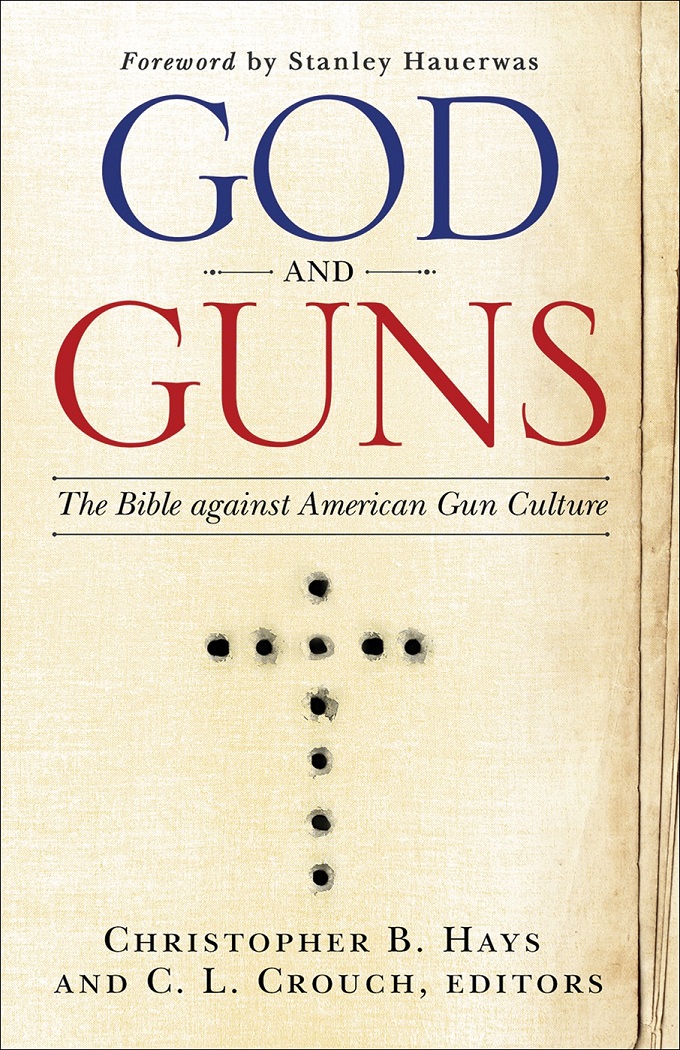
My first degree (B Th) was from a Bible college in the American Mid-West. One of the things I wasn’t prepared for was how many church people owned guns and said they would use them to protect themselves.
Guns are a big topic in the US, so it’s refreshing to see some good scholars engaging this debate. Two professors from Fuller Theological Seminary have collated the work of seven others in a new book called God and Guns: The Bible Against American Gun Culture published by Westminster John Knox Press in November 2021.
Now another NT scholar is blogging his responses. Ben Witherington III is someone I consult regularly (most recently 2 days ago). His understanding of how rhetoric functioned in the social setting of the New Testament is second to none. That’s why it was such a thrill to tour Israel with him back in 2014.
So, if you’re interested in how some good American Bible scholars think about this topic, Ben’s blog posts are your way in:
Why was Jesus accused of blasphemy? (Matthew 26:59–66)
How could Jesus be tried and condemned for the sin of blasphemy?

“Speak against me, and you speak against God!” That kind of manipulation is common from cults to Catholicism, from micromanagers to megachurches. That’s what motivated Caiaphas to tear his garments at Jesus’ trial with the accusation, He blasphemed! (26:65)
Continue reading “Why was Jesus accused of blasphemy? (Matthew 26:59–66)”
Why exile? (Zechariah 5)
As Zechariah calls the exiles home, he sees two explanations of why they went to Babylon.

Read Zechariah 5.
Zechariah began with God’s promise that he would return to reign over his people if they returned to him from Babylon (1:3). Like a married couple getting together after a separation, it’s important that they don’t just repeat the mistakes of the past. They need to learn from their ancestors’ mistakes (1:2-6).
God promised he would restore his leaders for the community, the high priest and the Davidic king. They would lead God’s people to rebuild the temple where God would be present among them and lead his people (Zechariah 2–4).
But why did God send them into exile in the first place? That’s what the two visions of Zechariah 5 address.
Continue reading “Why exile? (Zechariah 5)”Why did Jesus die? (Matthew 26:1-5)

Ask why Jesus died on the cross, and people usually tell me he died in my place, to forgive me for my sins. Shortly we’ll be looking at the explanation Jesus gave at his last supper, but listen to how Matthew introduces the passion narrative, Jesus’ looming death:
Continue reading “Why did Jesus die? (Matthew 26:1-5)”Original kingdom, or original sin? (Matthew 19:14)
What do you see when you look at people?

When you look at people, what do you see? Original sin, or original kingdom?
Since at least the fourth century, theologians have described the essential human state as original sin. Adam and Eve lost their pure identity and become corrupt, so the children they produced received their corrupted nature. Their children passed on this corrupted nature, so every human is already corrupted at birth. On this view, the whole of humanity is corrupt: conceived in sin, sinful by nature at birth, forever doomed, unless God does a work of grace to change an individual’s status.
But that doesn’t match what Jesus saw in people. The disciples thought people were pestering Jesus, so they stepped in to triage and divert the less significant ones: the children. Jesus said they were seeing the children the wrong way. Literally translated, Jesus described the children like this: The kingdom of heaven is such (Matthew 19:14).
That’s a very different view of what it means to be human.
Continue reading “Original kingdom, or original sin? (Matthew 19:14)”Hope for the world (John 1:29)
Look, the Lamb of God, who takes away the sin of the world!
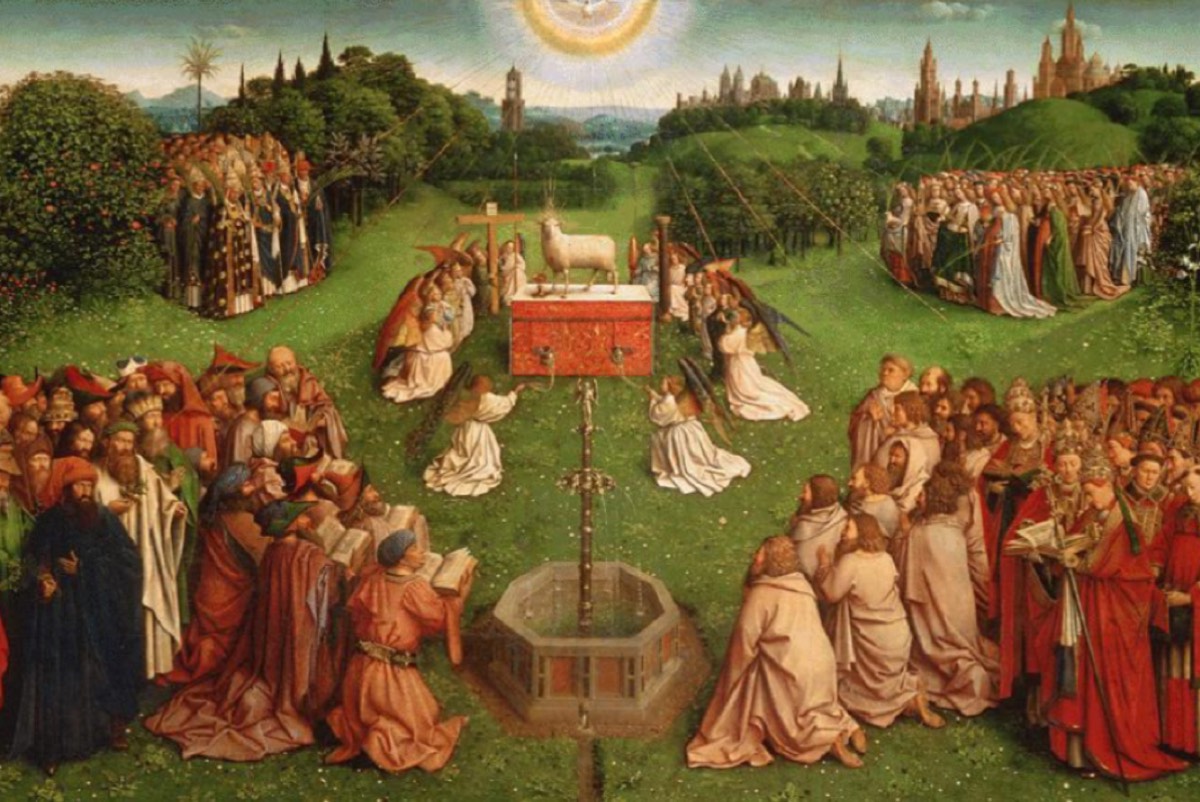
Prophets see things. When John the Baptizer saw Jesus approaching, he saw “the Lamb of God who takes away the sin of the world” (John 1:29).
Did you see that? If I hear Scripture as a story about me, I may substitute a message that Jesus takes away my sins. That’s not what John said.
Imagine a world where sin has gone — where the Lamb has taken away the sin of the world. What’s it like? What do you see? Continue reading “Hope for the world (John 1:29)”
Solving the world’s problems
What God is doing is effective: it will transform the world.

You might think it’s always off, but Eurovision really is off this year (2020).
That didn’t stop a Dutch team using a computer to generate a new Eurovision song. They fed it input from previous Eurovision hits and from social commentary site Reddit. Reportedly, it wrote a song “that crescendos as a robotic voice urges listeners to ‘kill the government, kill the system.’”
Artificial Intelligence (AI) doesn’t create those ideas. It reflects what people say. There must be quite a few anarchists reacting to the oppression and systemic injustice in the world for AI to produce that song.
Unfortunately, many of us in church don’t think of sin like that. I think of sin as my faults, the ones for which I need forgiveness, because that’s how I get saved. We lose the world-transforming power of the gospel when we reduce it to a story about me and how I can get my forgiveness. Sin isn’t just a problem in each individual. It’s the oppressive power that dominates the world, causing all the wars, all the social devastation, all the problems the anarchists react to.
Jesus acknowledged the oppressive power of sin, but offered a very different solution. The problem with “kill the government, kill the system” is that it adds fuel to the fire, feeding the cycle of violence. Jesus’ radical idea was to replace the cycle of violence (the power of sin) with God’s reign.
Jesus took no sword to Caesar. He took the cross from Caesar. Continue reading “Solving the world’s problems”
Supporting families during lockdown

So what’s it like at your place during the lockdown? Too quiet? Too noisy? Bored kids? Angry adults? Binged the whole series already? Missing friends? Missing income?
The goal is to keep safe at home, but home is not a safe place for everyone. Our tensions are stretched by fear. If your place is fine, spare a thought for those who are struggling. One in four Australian women has experienced physical or sexual violence by an intimate partner. For men it’s about one third that rate. So, if your church has 200 adults, 33 of them will have experienced partner violence. Know who are they are? How are they doing? Continue reading “Supporting families during lockdown”
 Seeking the kingdom