
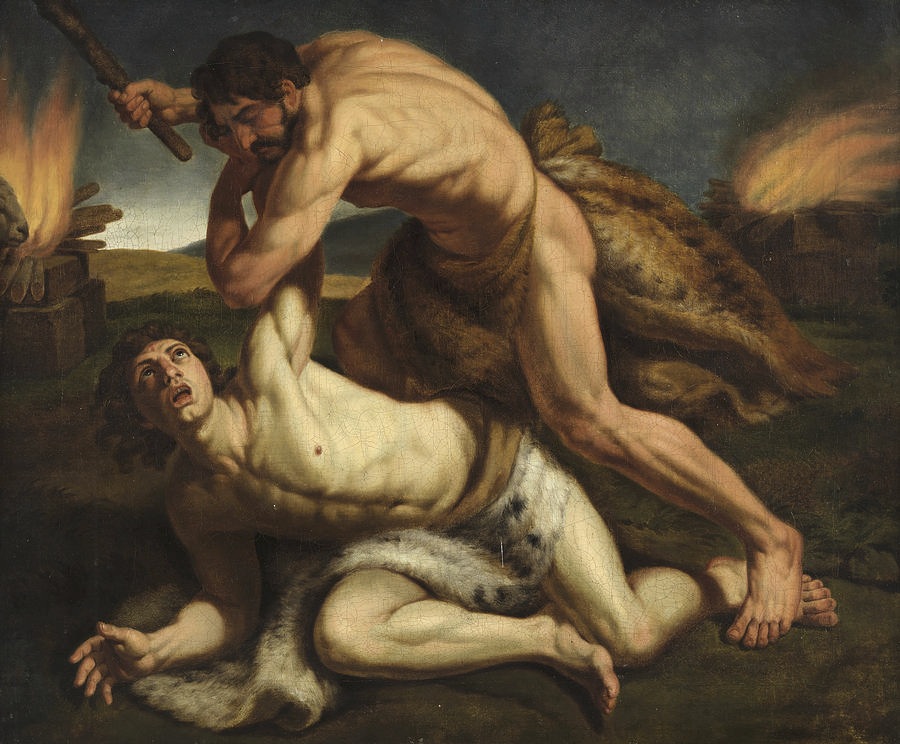
We’re no longer in God’s royal garden, but we’re still under God’s governance. Despite the unsuccessful coup, God’s providence remains:
Continue reading “Cain, Abel, and the fight against sin (Genesis 4:1-7)”
We’re no longer in God’s royal garden, but we’re still under God’s governance. Despite the unsuccessful coup, God’s providence remains:
Continue reading “Cain, Abel, and the fight against sin (Genesis 4:1-7)”
This podcast covers the topics blogged from Genesis 3:
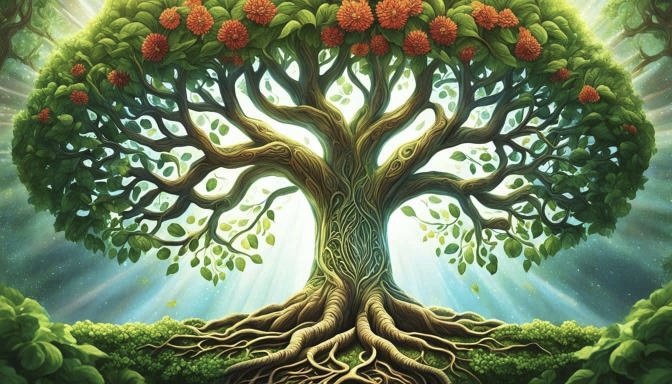
The Tree of Life was God’s sustaining life that kept them alive. They no longer have access to that privilege, having declared themselves gods in their own right, deciding good and evil for themselves:
The agents God trusted with caring for creation attempted a coup, to become gods, to define good and evil for themselves. How does God respond? God takes responsibility, but how God handles justice is not like what human rulers do when someone threatens their authority.
God doesn’t react swiftly or violently. God doesn’t drop everything and rush to apprehend the rebels who betrayed the trust he placed in them. God waits. God invites them to discuss their relationship with them. God explains the implications of what they have done.
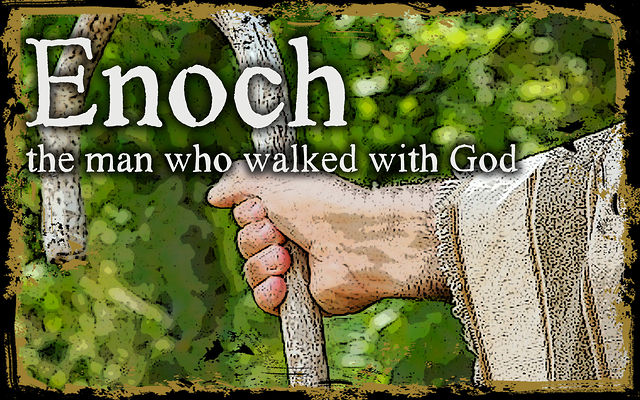
Enoch walked into God’s presence without dying. That’s inspiring. He’s the second example of faith in Hebrews 11.
Enoch’s relocation into the heavenly realm is intriguing. What did he see when he got there? How is that world different to this one? Where are the dead? Why is there so much evil in this world? How will God sort out the sufferings of his people and bring justice to the world? What can we learn from Enoch?
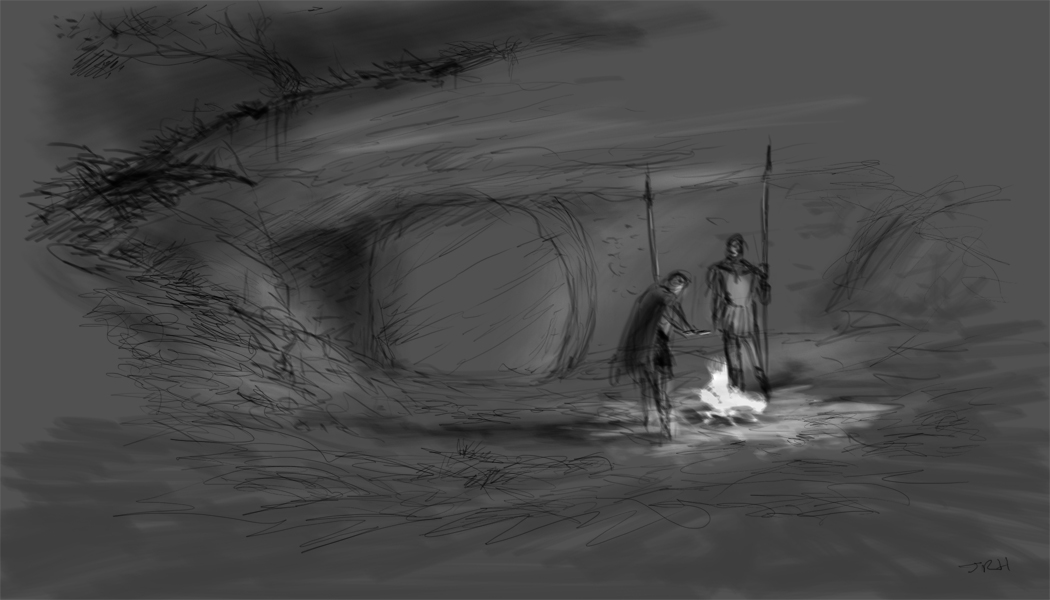
Burial is a sign of respect. Even today in the Middle East, there’s an urgency to burying someone, not leaving them unburied (Deuteronomy 21:23). As Jesus was crucified on Friday of Passover week, no one wanted his body lying around during one of the holiest Sabbaths of the year.
So, the burial was a very public affair that many observed, including:
What does the final plague reveal about God?
Open Exodus 11 – 12.
Nine times, Pharaoh has been shown to be just another stubborn human, not the person who rules the world. His own advisors no longer find him credible (10:7). The Egyptians now have more respect for Moses than for Pharaoh (11:3).
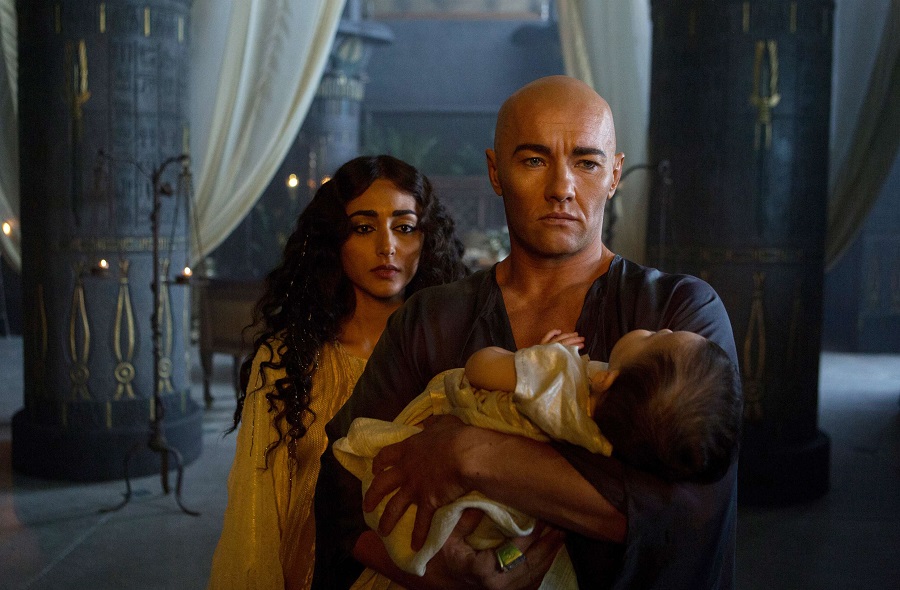
That makes Moses’ final announcement even more devastating: every family in Egypt will lose its heir (11:5). The Egyptians will rise up to demand their king release God’s people (11:8).
But how do you feel about God killing thousands of Egyptians? Can we get God off the hook? Could we blame the angel of death instead? Continue reading “When Egypt lost its heirs (Exodus 11–12)”
Are we safe from harm? Or can God’s people be hurt by the evil in the world?
Open Matthew 14:1-12.
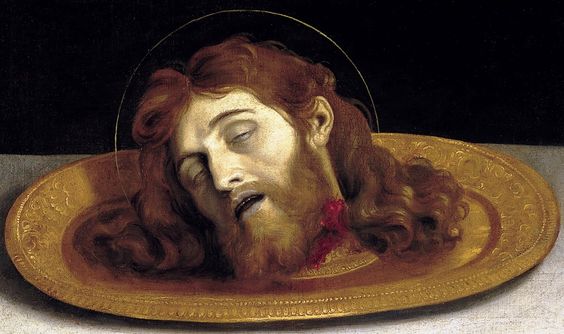
As you read the Bible, do you notice how the stories fit together? Why would Matthew stop talking about Jesus and tell a story about Herod instead? What’s his point?
Continue reading “What power do the rulers of this world have over God’s people? (Matthew 14:1-12)”
 Seeking the kingdom