
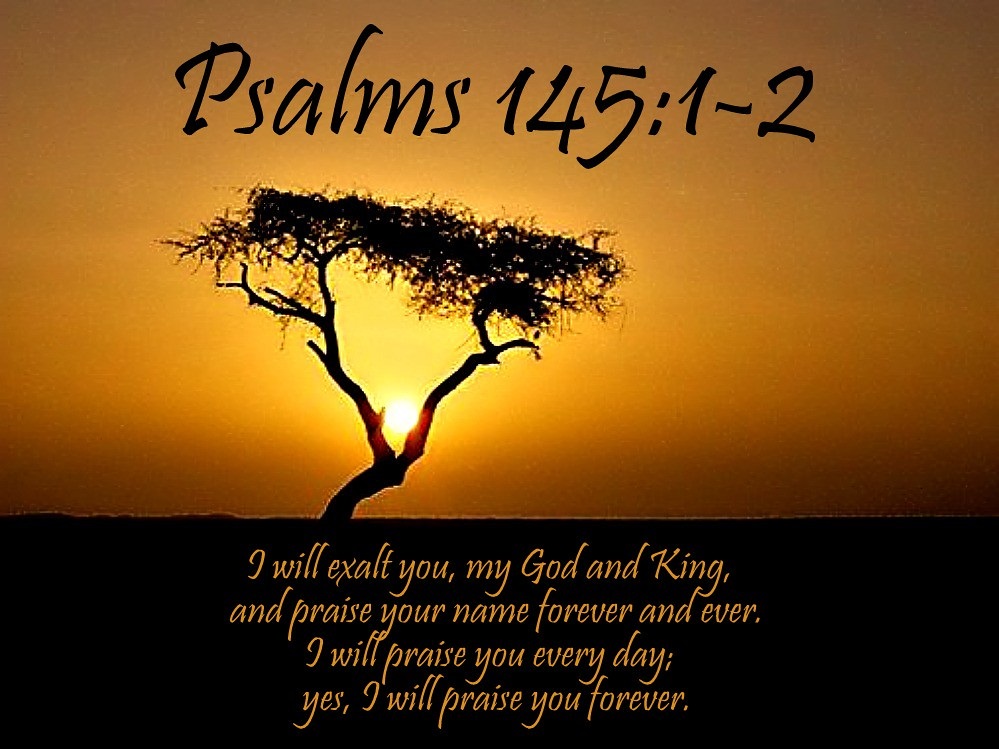
To conclude this survey of the Psalms, we’ve chosen something very significant: the last psalm “of David.”
It’s a praise psalm, as God’s anointed points his people to their true sovereign, the one who always reigns:
The final Psalm of David points us to where we’re headed.
To conclude this survey of the Psalms, we’ve chosen something very significant: the last psalm “of David.”
It’s a praise psalm, as God’s anointed points his people to their true sovereign, the one who always reigns:
Questions to deepen our praise.
Why do churches try to manufacture the presence of God?
This is a passionate plea for churches to review our practices. Aussies can’t see God in what we’re doing at present. While culture doesn’t set our agenda, we’re off mission when we don’t represent God well.
God isn’t visible. That’s why some faiths carve little images to worship. We don’t believe dead timber or stone can represent the living God, so from ancient times people have asked, Where is your God? (Psalm 42:3, 10).
Why do the Gospel writers describe the mockery of Jesus if their aim is to promote him?
What makes a king? Is it the coronation event, that special day when people lead you to the palace, dress you in regal robes, place a crown on your head and a sceptre in your hand, and perform the formal speech act of declaring you to be king?
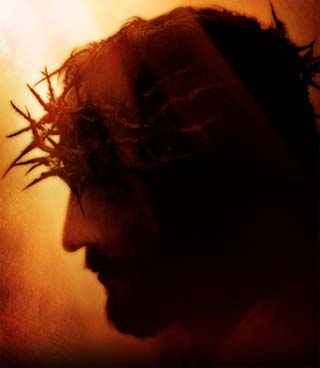
Matthew describes a mock enthronement where Roman soldiers crown a condemned man to parody the powerlessness of his people. What I want to know is why the evangelists include this scornful humiliation, this parody of worship, if they’re seeking to promote Jesus.
Is there something in this story that reframes how we view power?
Continue reading “What the mocking reveals (Matthew 27:27–31)”
The first worship song in the New Testament
Here’s the only record of Jesus singing:
Matthew 26:30 And having sung, they went out to the Mount of Olives.
Singing would be unremarkable today. Churches spend lots of time doing it. But this (|| Mark 14:26) is the only time the Gospels mention Jesus or his disciples singing.
So, what would they sing? I mean, it wasn’t from a Wesleyan hymnbook or a Hillsong stream.
If God is great, what are we?
We know the chief aim of humanity is to glorify God. But how?
Does our connection with God make us great too — God’s handiwork, the image of his character? Or would that approach make us prideful sinners who seek God’s glory for ourselves?
Hint: we’re offering more than a song.
For hundreds years now, many of us have read the New Testament letters for personal spiritual formation, to help us learn how do better as individuals. What if that was never the goal?
What if the NT letters were written primarily to teach us how to be better communities, how to live together as human beings on God’s earth? How would we see them differently if that was our goal?
Okay, let’s try this with a familiar favourite:




 Seeking the kingdom